


Peas and Beef Stew Grašak recipe
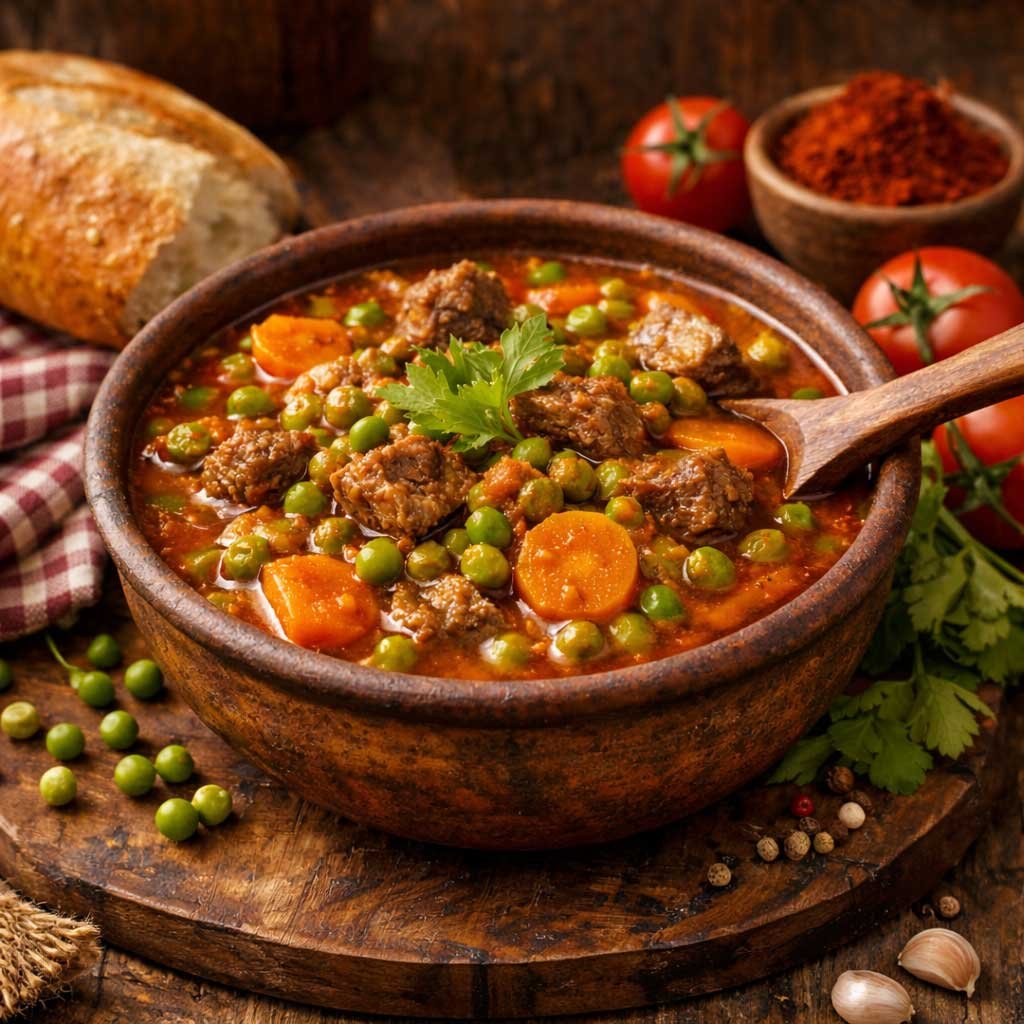
Peas and Beef Stew, known locally as Grašak, is one of the most comforting and traditional dishes in Montenegrin cuisine. This hearty meal combines tender beef, sweet peas, and aromatic vegetables into a rich, satisfying stew that has been enjoyed across the Balkans for generations.
It is a popular meal not just in Montenegro but in its surrounding neighbors as well. This is a simple beef with peas meal but at the same time a unique dish that can be ideal all year long.
Simple, nourishing, and deeply flavorful, Grašak is the kind of dish that brings families together. Whether served during colder months or as a light yet filling meal in warmer seasons, it remains a staple in many households across Montenegro, Serbia, and Bosnia.
If you are a meat-lover or especially a beef lover, this soup is a great way to add some vegetables like peas and carrots to your meal.
The recipe is easy to follow and it will keep you satisfied for a while. If you are vegan or if you just want to replace the beef with a vegan substitute you can create your own vegan beef alternative
👉 If you’re looking for a traditional Balkan comfort food recipe, this is one you absolutely need to try.
What Is Grašak?
Grašak is a traditional Balkan stew made primarily with:
- Beef (or minced meat)
- Green peas
- Carrots
- Onion
- Tomato base
- Spices and herbs
The name “grašak” literally means peas, which are the star ingredient of this dish.
What makes this stew unique is its balance of simplicity and flavor. It’s not overly complicated, yet it delivers deep, comforting taste thanks to slow cooking and traditional seasoning.
History of Grašak
Grašak has deep roots in Balkan culinary traditions, especially in Montenegro, Serbia, and Bosnia.
In the past, this dish was popular among rural families because it used simple and affordable ingredients that were easy to find. Peas were widely grown, and combining them with meat created a nutritious and filling meal.
Over time, Grašak became a household staple, passed down from generation to generation. Each region and family developed its own version, adjusting ingredients and thickness based on preference.
Today, Grašak remains one of the most recognizable examples of traditional Balkan home cooking, known for its simplicity and comforting taste.
Why This Dish Is So Popular in the Balkans
Peas and Beef Stew (Grašak) has remained a beloved dish across the Balkans for generations—and for good reason. It perfectly represents the essence of traditional Balkan cooking: simple ingredients, rich flavor, and nourishing comfort.
This dish is widely loved because:
✅ It’s affordable and uses simple ingredients – Most households already have the basic ingredients like peas, carrots, and onions, making it a budget-friendly meal.
✅ It’s nutritious and balanced – It combines protein from beef, fiber from peas, and essential vitamins from vegetables.
✅ It can be easily customized – You can adjust the ingredients based on what you have—swap meats, add potatoes, or make it vegetarian.
✅ It’s perfect for meal prep and leftovers – Like many Balkan stews, Grašak tastes even better the next day as the flavors deepen.
Across Balkan countries, each household has its own variation. Some make it thicker like a stew, while others prepare it more like a soup.
Essential Tools for Making Grašak Recipe
| Product | Best For | Why It’s Great | Check Price |
|---|---|---|---|
| Dutch Oven Pot | Stews & Soups | Even heat, rich flavor cooking | 👉 Check Price |
| Wooden Cooking Spoon | Stirring | Doesn’t scratch cookware | 👉 Check Price |
| Chef’s Knife | Chopping | Sharp & precise cuts | 👉 Check Price |
| Cutting Board | Prep Work | Stable & easy cleaning | 👉 Check Price |
👉 This flexibility is one of the reasons Grašak has remained popular for generations.

Peas and Beef Stew
Ingredients
Main Ingredients
- 500 g peas (fresh or frozen)
- 2 larger carrots (or diced beef)
- 250 g minced meat
- 1 small onion
- 200 ml tomato juice (or tomato sauce)
- 2-3 tbsp vegetable oil
- 2 cups water (or beef broth for extra flavor)
Seasonings
- 1 tsp ground red pepper (paprika)
- celery leaves (fresh or dried)
- black pepper (to taste)
- 1 tsp chili powder (optional)
- salt (to taste)
Instructions
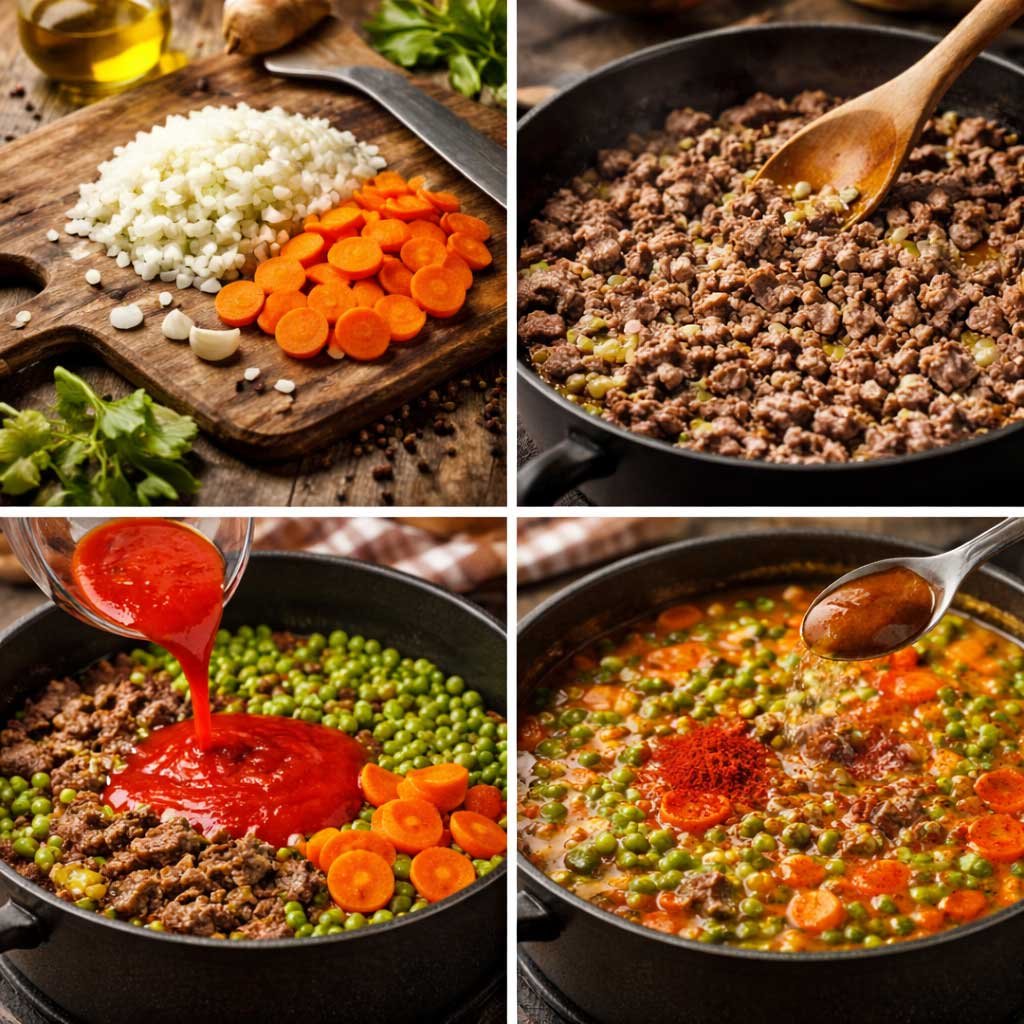
- Use a cutting board and sharp knife to chop the onion into small cubes and cut the carrot into rings.
- Heat a tablespoon of oil in a frying pan and sauté the onion.
- When the onion becomes translucent, add the minced meat and simmer over medium heat until it turns brown.
- Transfer to a pot and add the peas, chopped carrot and season with ground red pepper, salt and black pepper.
- If needed add more water, add tomato paste for a thinner or thicker soup.
- Bring the pot to boiling and reduce the temperature, cover and cook until the vegetables are cooked. Add fresh spices before cooking is done.
Notes
Upgrade Your Cooking Game
If you cook Balkan dishes often, investing in quality cookware makes a huge difference.
| Product | Why It’s Worth It | Get It |
|---|---|---|
| Dutch Oven Pot | Perfect for stews, soups, and slow cooking with rich flavor | 👉 Check Price |
| Chef’s Knife | Sharp, precise cutting for faster and easier prep | 👉 Check Price |
| Wooden Utensils Set | Durable, safe for cookware, and long-lasting | 👉 Check Price |
What to Serve with Grašak (Complete Meal Ideas)
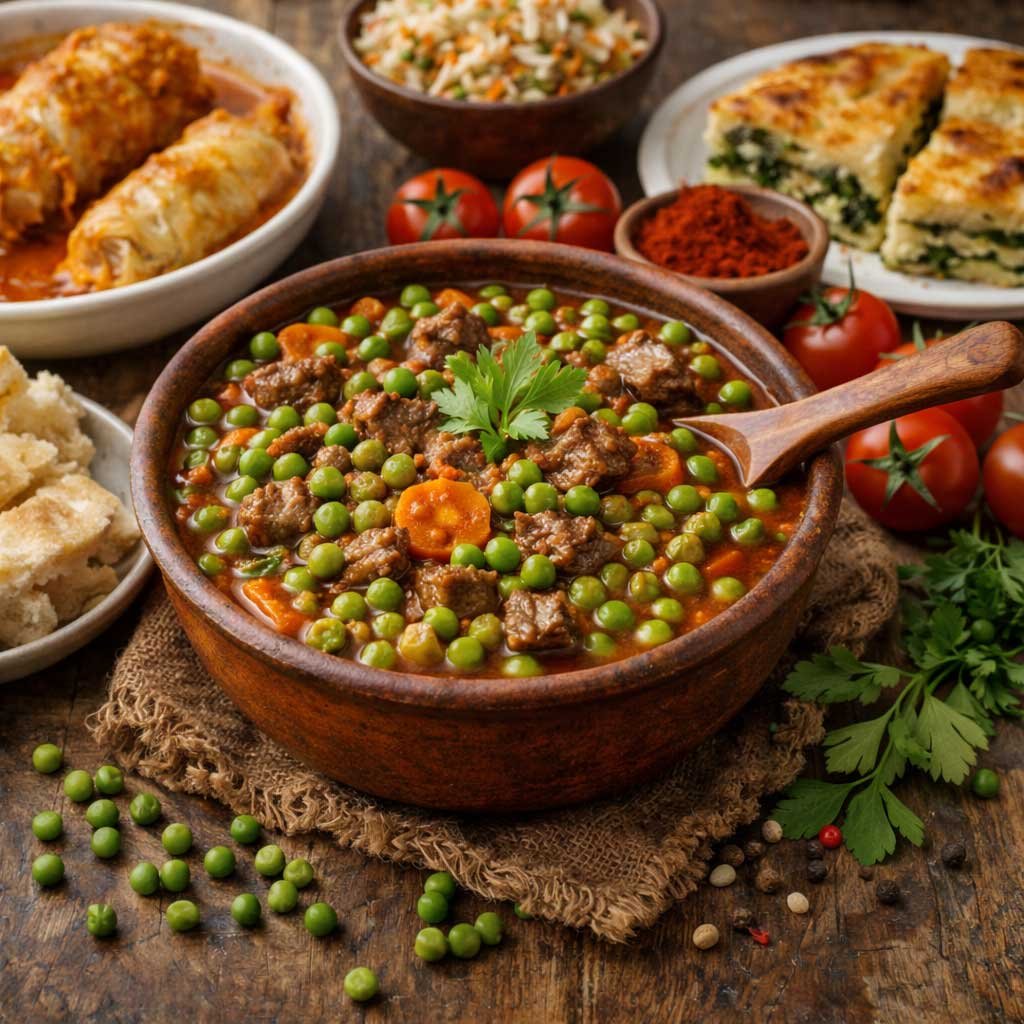
Peas and Beef Stew (Grašak) is a hearty, satisfying dish that can easily stand on its own as a complete meal. However, pairing it with the right sides can elevate the experience and make it even more authentic to traditional Balkan dining.
Grašak is best served:
- With crusty bread – Perfect for dipping and soaking up the rich, flavorful broth (try this 👉 traditional Balkan bread recipes)
- With homemade Balkan bread (lepinja) – A traditional choice that adds a soft, airy texture (see 👉 how to make lepinja at home)
- With a spoon of sour cream – Adds a creamy, slightly tangy contrast to the savory stew (explore 👉 Balkan dairy dishes and sides)
- With pasta mixed in (optional variation) – Makes the dish even more filling and family-friendly (check 👉 hearty Balkan pasta recipes)
👉 In many homes across Montenegro and the Balkans, Grašak is served fresh from the pot in a warm, rustic setting—often as part of a larger meal featuring Balkan cuisine classics.
You can also pair Grašak with:
- A fresh salad like 👉 Shopska salad recipe (great from your Balkan salads category)
- Pickled vegetables (see 👉 traditional Balkan pickled foods)
- Yogurt or garlic-based sauces (explore 👉 Balkan sauces and spreads)
👉 For more ideas, check out our full guide to 👉 traditional Balkan side dishes or explore our collection of 👉 hearty Balkan stews to build a complete meal.
👉 Whether you keep it simple or build a full traditional meal around it, Grašak delivers comfort, flavor, and authenticity in every bite.
When Is Peas and Beef Stew Grašak Traditionally Served?
Grašak is a very versatile dish that can be enjoyed throughout the year, but it is especially popular during colder months.
In Montenegro and across the Balkans, it is often served as a warm, comforting lunch or early dinner. Because it is both filling and nutritious, it’s commonly prepared as a main family meal.
During winter, Grašak is considered a true comfort food. The combination of warm broth, tender meat, and vegetables makes it perfect for colder weather.
However, lighter versions of the dish are also enjoyed in spring and summer, especially when fresh peas are in season.
👉 This flexibility is one of the reasons Grašak has remained a staple in Balkan households for generations.
Tips for the Best Grašak at Home
Want to make your Grašak taste like it came straight from a traditional Balkan kitchen? Follow these expert tips inspired by other 👉 traditional Balkan recipes.
- Use beef broth instead of water – This adds a deeper, richer flavor (similar to techniques used in 👉 hearty Balkan stews)
- Let it rest for 10–15 minutes after cooking – Just like many 👉 slow-cooked Balkan dishes, flavors develop over time
- Use fresh peas when in season – A common practice in 👉 seasonal Balkan vegetable recipes
- Add a touch of garlic – Enhances aroma, especially when cooking 👉 Balkan meat dishes
👉 These small improvements will instantly elevate your dish into an authentic Montenegrin meal experience.
Expert Cooking Tips for Authentic Grašak
If you want your Grašak to taste like it was made in a traditional Balkan home, a few small techniques can make a big difference.
First, always cook the onion slowly until it becomes soft and slightly golden. This step builds the base flavor of the entire dish. Rushing it can result in a weaker overall taste.
Another important tip is to add the paprika at the right moment. In Balkan cooking, paprika should be added after sautéing but before adding liquid. This helps release its aroma and prevents it from becoming bitter.
Cooking the stew on low heat is also key. A slow simmer allows all the ingredients to blend together naturally, creating a richer and more balanced flavor.
👉 These small details are what separate a good Grašak from a truly authentic one.
Common Mistakes When Making Grašak
Even though Grašak is a simple dish, a few common mistakes can affect the final flavor and texture.
- Using too much water – This dilutes the flavor. Use broth when possible.
- Overcooking peas – They can become mushy and lose texture
- Skipping the sauté step – This is where the base flavor develops
- Not seasoning properly – Balkan dishes rely on balanced seasoning
👉 Avoiding these mistakes will give you a richer, more authentic result similar to other traditional Balkan stews.
How to Store and Reheat Grašak
Grašak is perfect for leftovers and meal prep, and it often tastes even better the next day.
To store it, let the stew cool completely and place it in an airtight container. It can be kept in the refrigerator for up to 3–4 days or frozen for up to 2 months.
When reheating, it’s best to warm it on the stove over medium heat. If the stew has thickened, you can add a little water or broth to adjust the consistency. Stir occasionally to keep it smooth and evenly heated.
👉 Like many Balkan stews, Grašak develops even deeper flavor after sitting for a day.
Variations of Grašak
Grašak is incredibly flexible, just like many 👉 traditional Montenegrin recipes.
Different Meat Options
- Diced beef chunks – More traditional and commonly used in 👉 Balkan beef recipes
- Ground beef – Faster and easier for everyday cooking
- Chicken – A lighter alternative found in 👉 Balkan chicken recipes
Vegan Version
Looking for a plant-based alternative? Try:
- Mushrooms
- Lentils
- Plant-based meat substitutes
👉 Explore more Balkan vegetarian recipes for similar healthy options.
Creamy Version
For a richer taste:
- Add sour cream
- Or a splash of cooking cream
👉 This style is common in traditional Balkan soups and stews.
How Grašak Differs Across the Balkans
While Grašak is widely known across Montenegro, Serbia, and Bosnia, each region has its own unique twist on the dish.
In Montenegro, it is often prepared with a slightly lighter texture, somewhere between a soup and a stew.
In Serbia, the dish is usually thicker and heartier, often made with larger chunks of beef and more concentrated flavors.
In Bosnia, variations may include additional vegetables or different seasoning blends, depending on local traditions.
Despite these differences, the core ingredients remain the same, which keeps the dish recognizable across the region.
👉 Exploring these variations is a great way to discover the diversity of Balkan cuisine.
Nutritional Benefits
This dish is both delicious and nutritious, making it a staple in 👉 healthy Balkan meals.
- Protein from beef – supports energy and muscle health
- Fiber from peas – aids digestion
- Vitamins from carrots – boost immunity
- Antioxidants from spices – support overall wellness
Grašak fits perfectly into a balanced diet alongside other 👉 traditional Balkan dishes.
Recommended for Balkan Cooking Lovers
Want to cook more traditional Balkan recipes at home?
👉 These tools will make your life easier:
| Tool | Why You Need It | Check Price |
|---|---|---|
| Heavy-Duty Cooking Pot | Perfect for stews, soups, and slow cooking | 👉 View on Amazon |
| High-Quality Chef’s Knife | Makes chopping faster and more precise | 👉 View on Amazon |
| Wooden Cooking Utensils | Safe for cookware and long-lasting | 👉 View on Amazon |
👉 View Best-Selling Kitchen Tools on Amazon
Cultural Significance in Montenegro
Grašak is more than just food — it’s a symbol of 👉 Montenegrin cuisine traditions and Balkan heritage.
It represents:
- Home cooking
- Simplicity
- Family traditions
In many households, it’s prepared weekly alongside other 👉 classic Balkan comfort foods.
👉 Discover more in our Montenegrin food guide.
FAQs About Peas and Beef Stew Grašak recipe
What does Grašak taste like?
It has a rich, savory flavor with a slight natural sweetness from peas, balanced by the depth of beef and spices. Similar to other Balkan stew recipes, it becomes even more flavorful over time.
Can I use frozen peas?
Yes — frozen peas work perfectly and are commonly used in everyday cooking. They are also used in many quick Balkan recipes.
Can I make it ahead of time?
Absolutely. In fact, Grašak often tastes even better the next day as the flavors fully develop. This makes it ideal for meal prep recipes.
How long does it last?
- Fridge: 3–4 days
- Freezer: up to 2 months
👉 Store it properly like other homemade Balkan dishes for best results.
Can I make it thicker?
Yes:
- Simmer longer to reduce liquid
- Add less water or broth
👉 This will give you a texture closer to thick Balkan stews.
Did you make this Peas and Beef Stew Grašak recipe?
Please let me know how it turned out for you! Leave a comment below and don’t forget to follow us. Sharing is caring!
Explore other recipes from the traditional Montenegro cuisine.
Recipe inspiration: slatko-slani-recepti.blogspot.com, receptizajela.com, recepti.com

