


Traditional Balkan Pickled Foods
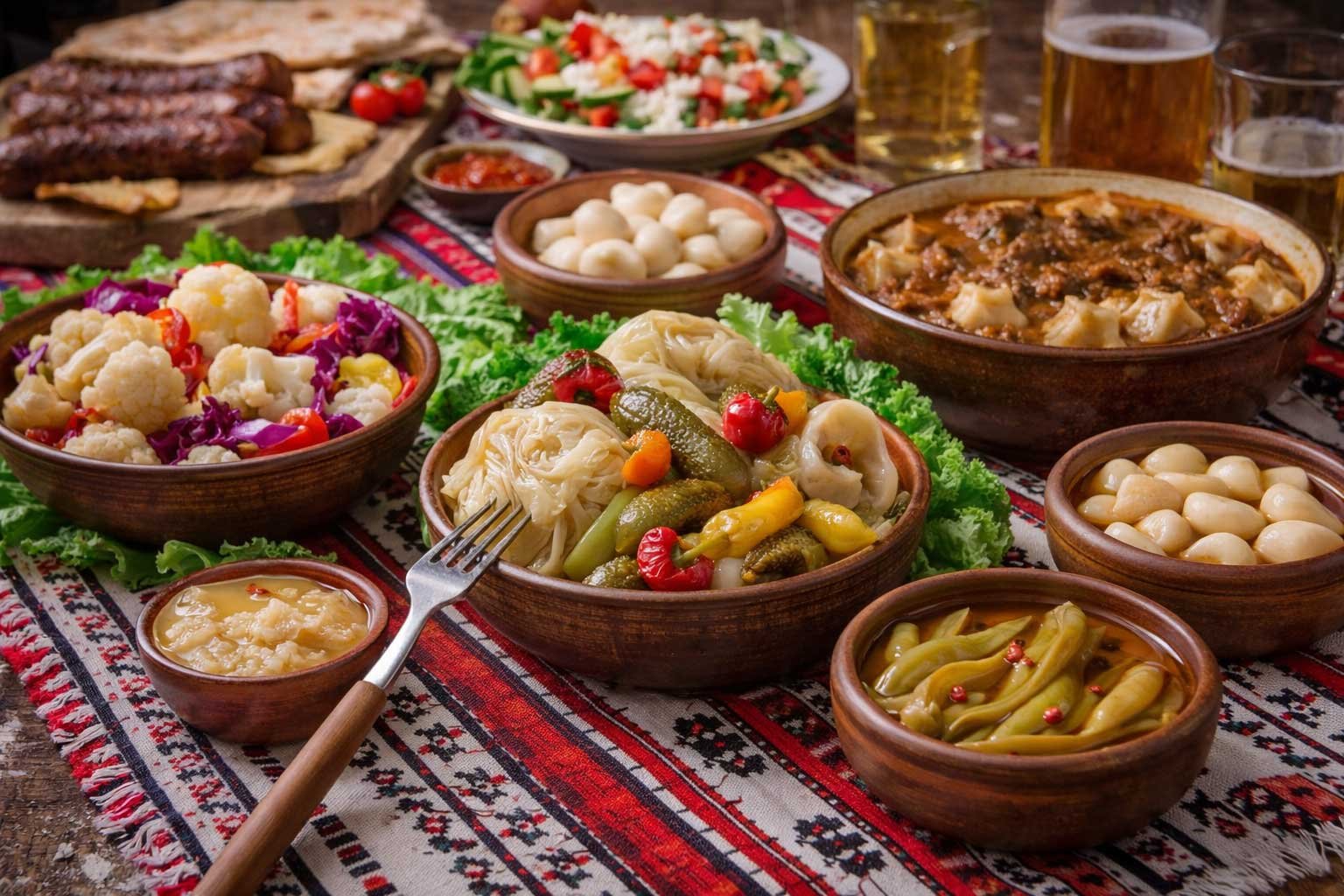
Traditional Balkan pickled foods are a cornerstone of the region’s culinary identity. Across countries like Bulgaria, Serbia, Bosnia, North Macedonia, and Montenegro, pickling is more than just food preservation—it is a cultural tradition passed down through generations.
For centuries, people in the Balkans relied on pickling as a survival technique during long winters. Before refrigeration, preserving vegetables was essential, and pickling became one of the most effective and accessible methods. Families would prepare large quantities of preserved foods in autumn to ensure they had nutritious meals throughout the colder months.
Beyond practicality, pickled foods became deeply embedded in daily life and celebrations. They are present at family gatherings, holidays, and even religious events. The process of preparing them is often communal, bringing families together in kitchens, courtyards, or rural homes.
Today, traditional Balkan pickled foods are experiencing renewed global interest. With the rise of gut health awareness and fermented foods, these ancient recipes are now appreciated not only for their taste but also for their impressive nutritional benefits.
These foods are deeply tied to:
- Seasonal harvest cycles
- Family traditions
- Winter food preparation
- Natural fermentation techniques
👉 If you want to understand Balkan cuisine, you must understand its pickled foods.
What Are Traditional Balkan Pickled Foods?
Traditional Balkan pickled foods include vegetables preserved through fermentation, vinegar pickling, or salt brining. Each method produces distinct flavors and textures, contributing to the diversity of Balkan cuisine.
Fermentation is one of the oldest and most valued techniques. It relies on naturally occurring bacteria that convert sugars into lactic acid, preserving the food while enhancing its nutritional value. This process creates probiotic-rich foods that support digestion and overall health.
Vinegar-based pickling, on the other hand, is faster and more controlled. It allows for immediate preservation and produces a sharper, tangier taste. This method is often used for vegetables that need to be consumed sooner or when consistency is preferred.
Salt brining sits between the two methods, allowing for slower fermentation while maintaining the natural crunch of vegetables. This approach is commonly used for cabbage and cucumbers, ensuring they retain their structure while developing complex flavors over time.
Traditional Balkan pickled foods include vegetables preserved through:
- Fermentation (lacto-fermentation)
- Vinegar-based pickling
- Salt brining
Unlike industrial pickling, Balkan methods often rely on:
- Natural bacteria
- No preservatives
- Homemade recipes
This results in foods that are:
- Rich in probiotics
- Full of flavor
- Long-lasting
These pickled foods are commonly served:
- As appetizers (meze)
- Alongside grilled meats
- With bread and cheese
- As winter staples
Common Vegetables Used in Balkan Pickling
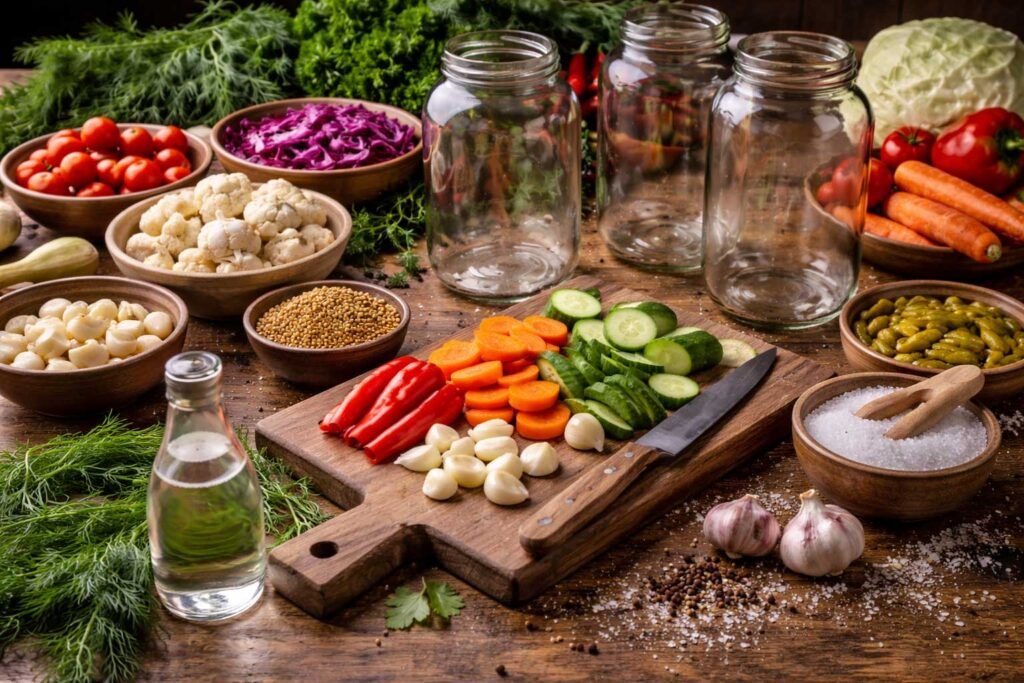
The Balkans use a wide variety of vegetables for pickling, depending on season and region. This diversity reflects the agricultural richness of the area, where fertile soil and favorable climates allow for abundant harvests.
Cucumbers are among the most commonly pickled vegetables, prized for their crisp texture and refreshing taste. Cabbage is another staple, especially for fermentation, as it transforms into a tangy and probiotic-rich food that can be stored for months.
Peppers, particularly red bell peppers, are essential in Balkan pickling traditions. They are often roasted before preservation, adding depth and smokiness to the final product. Green tomatoes are also widely used, especially at the end of the growing season when unripe tomatoes need to be preserved.
Other vegetables like carrots, cauliflower, and garlic are frequently included in mixed pickles. These combinations not only enhance flavor but also create visually appealing dishes that are as beautiful as they are delicious.
Traditional Balkan pickled foods are an essential part of the region’s culinary identity—learn how they fit into the bigger picture in our Bulgarian Cuisine: Complete Food Guide.
Turshija – The Ultimate Balkan Mixed Pickle
Turshija is one of the most iconic traditional Balkan pickled foods. It represents the essence of home cooking, combining multiple vegetables into a single, flavorful preservation.
Each household prepares turshija differently, depending on available ingredients and family preferences. Some versions are more sour, while others are milder or slightly sweet. This variability makes turshija a unique expression of regional and personal taste.
Preparation usually takes place in late autumn, when vegetables are at their peak. Families gather to clean, cut, and arrange vegetables into large jars or barrels. This process is often social, accompanied by conversation, music, and shared meals.
Turshija is incredibly versatile. It can be served as a side dish, appetizer, or even a light snack. Its balance of textures and flavors makes it a perfect complement to heavier Balkan dishes, especially grilled meats.
The preparation is often a family event, where large batches are made for winter storage.
Quick Recipe Summary
- Mix cauliflower, carrots, peppers, cabbage, green tomatoes
- Add salt brine or vinegar solution
- Store in jars for 2–4 weeks
👉 Read full recipe: Balkan Turshija Recipe Guide
This post contains affiliate links. This means I may earn a small commission if you purchase through these links, at no additional cost to you. I only recommend products that are relevant to traditional Balkan cooking and that I believe will genuinely help you in your kitchen.
Recommended Equipment for Pickling
👉 Want authentic results? This equipment makes Balkan pickling easier, safer, and much more consistent — especially for beginners.
| Product | Best For | Why It’s Useful | Rating | Price | Check price |
|---|---|---|---|---|---|
| Glass Fermentation Jars with Airlock | Fermentation beginners | Prevents mold, releases gas safely | ⭐⭐⭐⭐⭐ | $$ | Check price |
| Wide Mouth Mason Jars Set | All pickling types | Durable, reusable, easy to store | ⭐⭐⭐⭐⭐ | $ | Check price |
| Fermentation Weights (Glass) | Keeping veggies submerged | Prevents spoilage during fermentation | ⭐⭐⭐⭐☆ | $ | Check price |
| Pickling Spice Mix | Flavor enhancement | Traditional Balkan-style seasoning | ⭐⭐⭐⭐⭐ | $ | Check price |
| Organic Pickling Salt | Clean fermentation | No additives, perfect for brine | ⭐⭐⭐⭐⭐ | $ | Check price |
| Vegetable Fermentation Kit | Complete starter kit | Includes airlocks, weights, lids | ⭐⭐⭐⭐⭐ | $$ | Check price |
| Jar Funnel + Lid Kit | Easy filling & sealing | Reduces mess and saves time | ⭐⭐⭐⭐☆ | $ | Check price |
| Large Glass Pickling Jar (1–2 Gallon) | Bulk batches (turshija) | Ideal for family-sized prep | ⭐⭐⭐⭐⭐ | $$ | Check price |
👉 If you’re just starting, go with a complete fermentation kit — it saves time and avoids beginner mistakes like mold or bad fermentation.
👉 For authentic Balkan recipes like turshija or pickled cabbage, larger jars or containers are the best investment.
Ajvar – The King of Balkan Preserves
Ajvar holds a special place in Balkan cuisine and is often referred to as the “vegetable caviar” of the region. Although technically not a pickle, it is preserved in a similar way and stored for long periods.
The preparation of ajvar is a labor-intensive process that requires patience and skill. Peppers are roasted, peeled, and slowly cooked for hours until they reach a smooth, rich consistency. This slow cooking enhances the natural sweetness of the peppers while developing deep, complex flavors.
Ajvar-making is often a communal activity, especially in rural areas. Families and neighbors come together to prepare large batches, turning the process into a social event. It is common to see multiple households participating, sharing techniques and recipes.
The final product is incredibly versatile. Ajvar can be used as a spread on bread, a side dish, or even as a cooking ingredient. Its rich flavor and smooth texture make it one of the most beloved preserved foods in the Balkans.
Ajvar preparation is deeply social—families gather, roast peppers outdoors, and cook together.
Quick Recipe Summary
- Roast and peel red peppers
- Blend with garlic and oil
- Cook slowly until thick
- Store in jars
👉 Read full recipe: Authentic Ajvar Recipe (Step-by-Step)
Many Balkan breakfasts include cheese, bread, and pickled vegetables—explore typical morning dishes in our Traditional Bulgarian Breakfast Foods guide.
Pickled Cabbage (Kiselo Zelje)
Pickled cabbage is a fundamental component of Balkan cuisine, especially during the winter months. It is one of the oldest forms of food preservation in the region.
The process typically involves fermenting whole cabbage heads in large barrels filled with salted water. Over time, natural fermentation occurs, transforming the cabbage into a tangy, nutrient-rich food.
This preserved cabbage is essential for making traditional dishes like sarma, where the leaves are used to wrap fillings of meat and rice. Without pickled cabbage, many classic Balkan recipes would not exist.
Beyond its culinary uses, pickled cabbage is valued for its health benefits. It is rich in probiotics, vitamins, and minerals, making it a staple in diets focused on longevity and wellness.
Pickled cabbage is essential in Balkan kitchens.
It is fermented in large barrels and used throughout winter, especially for dishes like sarma.
The process takes weeks but results in a deeply flavorful and probiotic-rich food.
Quick Recipe Summary
- Place whole cabbage in salted water
- Ferment 3–6 weeks
- Store in cool place
👉 Read full recipe: How to Make Pickled Cabbage for Sarma
Pickled Cucumbers (Kiseli Krastavici)
Pickled cucumbers are among the most popular and widely consumed pickled foods in the Balkans. Their refreshing taste and satisfying crunch make them a favorite across all age groups.
They are typically prepared using simple ingredients such as garlic, dill, salt, and water or vinegar. Despite the simplicity, the result is a flavorful and versatile food that pairs well with many dishes.
The fermentation process enhances the natural taste of cucumbers while adding a subtle sourness. This balance makes them an ideal side dish, especially with grilled meats and rich meals.
In addition to their flavor, pickled cucumbers are valued for their digestive benefits. They are often consumed as part of meals to aid digestion and provide a refreshing contrast to heavier foods.
Pickled cucumbers are simple, crunchy, and extremely popular.
They are often served with grilled meats and rakia, acting as a refreshing contrast.
Quick Recipe Summary
- Add cucumbers, garlic, dill
- Pour salt brine or vinegar
- Ferment or refrigerate
👉 Read full recipe: Traditional Balkan Pickled Cucumbers Recipe
👉 Pickled and fresh vegetables are often combined in dishes like this—see how in our authentic Shopska Salad Recipe Guide.
Pickled Green Tomatoes
Pickled green tomatoes are one of the most underrated traditional Balkan pickled foods.
At the end of the growing season, when tomatoes don’t have time to ripen, they are harvested and preserved instead of wasted.
The result is a firm, slightly tart pickle with a unique flavor that pairs perfectly with meats and cheeses.
They are especially popular in Bulgaria and Serbia, where they are included in mixed pickles or made separately.
Quick Recipe Summary
- Slice green tomatoes
- Add garlic, dill, spices
- Cover with brine
- Ferment 1–3 weeks
👉 Read full recipe: Balkan Pickled Green Tomatoes Guide
Roasted Pickled Peppers
Roasted pickled peppers are a staple in Balkan kitchens, known for their rich flavor and versatility. The roasting process adds a smoky depth that distinguishes them from other pickled vegetables.
After roasting, the peppers are peeled and preserved in a mixture of oil, garlic, and vinegar. This combination enhances their natural sweetness while adding complexity to the flavor.
These peppers are often served as appetizers or side dishes, but they can also be incorporated into salads, sandwiches, and cooked meals. Their versatility makes them a valuable addition to any kitchen.
The preparation of roasted peppers is often done in large batches, especially during harvest season. This ensures a steady supply of flavorful ingredients throughout the year.
Roasted peppers are peeled and preserved in oil and vinegar.
They offer a smoky, sweet flavor and are often served cold as a side dish.
Quick Recipe Summary
- Roast peppers until charred
- Peel and slice
- Add garlic, oil, vinegar
- Store in jars
👉 Read full recipe: Roasted Balkan Peppers Recipe.
Garlic and Spiced Pickles
Garlic is a key ingredient in many Balkan pickling recipes, providing both flavor and health benefits. Its strong aroma and taste enhance the overall profile of pickled foods.
In addition to garlic, a variety of spices are used to create unique flavor combinations. Black pepper, bay leaves, mustard seeds, and dill are among the most common additions.
These spices not only improve taste but also contribute to the preservation process. They help inhibit unwanted bacteria while supporting beneficial fermentation.
Garlic and spiced pickles are often considered more complex and aromatic, making them a favorite among those who appreciate bold flavors.
Fermented vs Vinegar Pickling
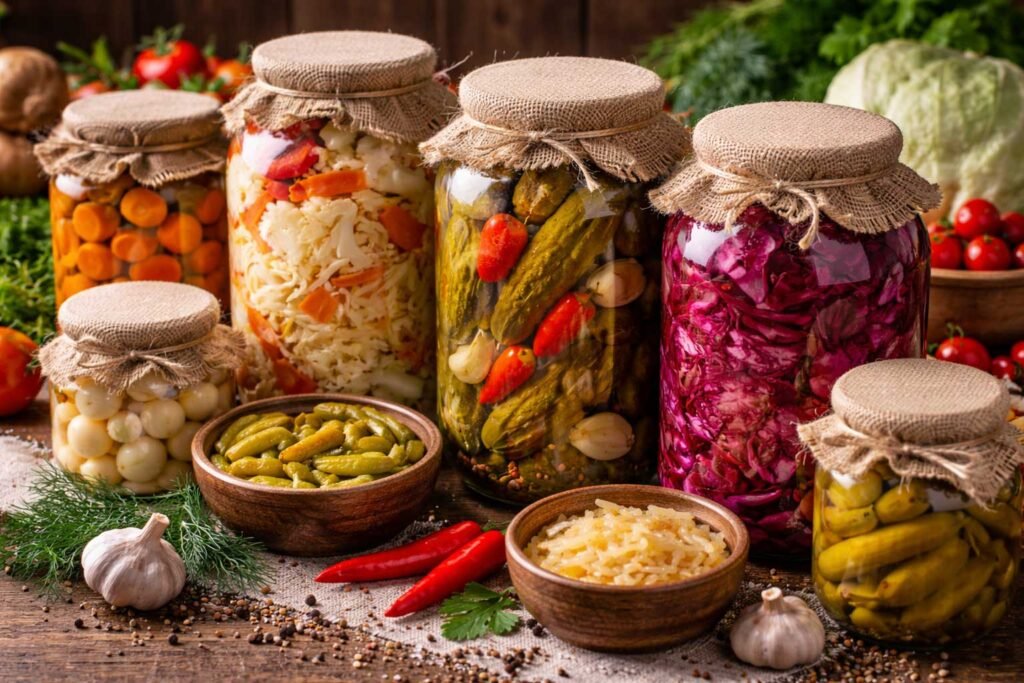
Fermented pickles rely on natural processes, allowing beneficial bacteria to develop over time. This method produces foods that are rich in probiotics and have a more complex flavor.
Vinegar pickling is faster and more predictable. It uses acidity to preserve food, resulting in a sharper taste and longer shelf stability without fermentation.
Each method has its advantages, and both are widely used in the Balkans. Fermented pickles are often preferred for their health benefits, while vinegar pickles are valued for convenience.
Understanding these methods helps in appreciating the diversity of Balkan pickled foods and choosing the right approach for different recipes.
Health Benefits of Balkan Pickled Foods
Traditional Balkan pickled foods offer numerous health benefits, making them an important part of a balanced diet. Their probiotic content supports gut health and improves digestion.
These foods are also rich in vitamins and minerals, particularly vitamin C and vitamin K. Regular consumption can help strengthen the immune system and promote overall well-being.
Fermented foods have been linked to reduced inflammation and improved nutrient absorption. This makes them especially beneficial for individuals looking to enhance their diet naturally.
In addition, pickled foods are low in calories and high in flavor, making them an excellent choice for those seeking healthy and satisfying meal options.
Fermented foods are a key part of Balkan diets, including yogurt—learn more in Bulgarian Yogurt: History and Health Benefits.
Cultural Importance and Traditions
Pickling is deeply rooted in Balkan culture, representing more than just a method of food preservation. It is a tradition that brings families and communities together.
The process often takes place during autumn, when fresh vegetables are abundant. Families gather to prepare large batches, sharing knowledge and techniques passed down through generations.
This tradition fosters a sense of connection and continuity, linking modern practices with historical roots. It is a way of preserving not only food but also cultural identity.
Even today, many households continue to follow traditional methods, maintaining the authenticity and richness of Balkan pickled foods.
How Balkan Pickles Are Served
Pickled foods play a central role in Balkan meals, often served as appetizers or side dishes. Their tangy flavor provides a perfect contrast to rich and hearty dishes.
They are commonly paired with grilled meats, cheeses, and bread, enhancing the overall dining experience. Their acidity helps balance flavors and improve digestion.
In addition to everyday meals, pickled foods are also featured in festive occasions and gatherings. They are an essential part of traditional spreads and celebrations.
Their versatility and flavor make them a staple in Balkan cuisine, enjoyed in various forms and combinations.
Best Pickling Kits for Beginners (2026 Edition)
If you want to make authentic Traditional Balkan Pickled Foods, having the right equipment makes a huge difference.
A good pickling kit helps you:
- Avoid mold and failed batches
- Get consistent fermentation
- Save time and effort
- Achieve authentic Balkan flavors
👉 Here are the top-rated pickling kits for 2026:
Best Overall: Masontops Complete Fermentation Kit
| Product | Best For | Key Benefits | Rating | Price | Where to Buy |
|---|---|---|---|---|---|
| Masontops Complete Fermentation Kit | Best Overall | ✔ Full kit ✔ Airlocks ✔ No mold ✔ Easy setup | ⭐⭐⭐⭐⭐ (4.8/5) | $$ | 👉 Check Price |
| Simple Mason Jar Starter Kit | Budget Pick | ✔ Affordable ✔ Easy to use ✔ Great for beginners | ⭐⭐⭐⭐☆ (4.5/5) | $ | 👉 Check Price |
| 1–2 Gallon Fermentation Jar Kit | Large Batches | ✔ Ideal for turshija ✔ Big capacity ✔ Durable | ⭐⭐⭐⭐⭐ (4.7/5) | $$ | 👉 Check Price |
| Ceramic Fermentation Crock Kit | Premium Choice | ✔ Traditional method ✔ Deep flavor ✔ Long-term storage | ⭐⭐⭐⭐⭐ (4.9/5) | $$$ | 👉 Check Price |
👉 If you’re serious about making authentic Traditional Balkan Pickled Foods, investing in a quality pickling kit will save time, prevent mistakes, and give consistent results every time.
Regional Variations Across the Balkans
Each Balkan country has its own unique approach to pickling, influenced by local ingredients and cultural preferences. These variations add richness and diversity to the cuisine.
In Bulgaria, fermented cabbage and mixed pickles are particularly popular. Serbia is known for its rich and flavorful ajvar, often prepared in large quantities.
Bosnian pickles tend to be milder and more balanced, while North Macedonian recipes often feature bold and spicy flavors. Montenegro emphasizes simplicity and natural ingredients.
These regional differences highlight the adaptability and creativity of Balkan cuisine, making it one of the most diverse culinary traditions in Europe.
Common Mistakes When Making Balkan Pickles
Even though the process is simple, mistakes can affect the final result. Using too little salt can lead to spoilage, while too much can overpower the flavor.
Water quality is another important factor. Chlorinated water can interfere with fermentation, so it is best to use filtered or spring water.
Temperature control is crucial, as improper storage can disrupt the fermentation process. Keeping pickles in a cool, stable environment ensures consistent results.
By avoiding these common mistakes, you can achieve authentic and delicious Balkan pickled foods at home.
Why Balkan Pickled Foods Are Unique
Balkan pickled foods stand out due to their natural preparation methods and strong cultural roots. They are made without artificial preservatives, relying on traditional techniques.
Their flavors are bold and complex, reflecting the richness of the region’s culinary heritage. Each recipe tells a story of history, tradition, and family.
Unlike mass-produced pickles, these foods are handmade and often prepared in small batches. This adds a level of authenticity and care that cannot be replicated industrially.
Their uniqueness lies not only in taste but also in the traditions and values they represent, making them truly special.
Final Thoughts
Traditional Balkan pickled foods are a perfect blend of flavor, health, and culture. They offer a glimpse into the history and lifestyle of the region while providing delicious and nutritious options.
Their preparation methods have stood the test of time, proving their effectiveness and value. Today, they continue to be an essential part of Balkan cuisine and a growing trend worldwide.
Whether you are exploring new foods or reconnecting with traditional recipes, Balkan pickled foods are a must-try. They bring together the best of taste, nutrition, and heritage.
The same beneficial bacteria used in fermentation also appear in pickled foods—discover the science in Lactobacillus Bulgaricus Explained.
FAQs about Traditional Balkan pickled foods
What are traditional Balkan pickled foods?
They are vegetables preserved through fermentation or vinegar, including turshija, cabbage, cucumbers, and green tomatoes.
Are Balkan pickles probiotic?
Yes, fermented pickles contain natural probiotics that support gut health.
How long do Balkan pickles last?
They can last from several months up to a year if stored properly.
What is turshija?
Turshija is a mix of pickled vegetables popular across the Balkans.
Can I make Balkan pickles without vinegar?
Yes, traditional recipes often use fermentation instead of vinegar.
Why are green tomatoes used?
They are preserved before ripening to avoid waste and create unique flavors.
What is the healthiest pickled food?
Fermented cabbage (kiselo zelje) is one of the healthiest due to high probiotic content.
Do Balkan pickles need refrigeration?
Not always—traditionally they are stored in cool basements or cellars.
What spices are used in Balkan pickling?
Garlic, dill, black pepper, bay leaves, and mustard seeds are common.
Are Balkan pickles spicy?
Usually not, but some regional variations include chili peppers.
