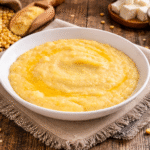
Romanian Mămăliga Baked Recipe (Polenta)

Romanian Mămăliga Baked Recipe is a comforting and traditional dish that has been enjoyed throughout Romania for generations. Made from coarse cornmeal cooked into a thick porridge and layered with feta cheese, eggs, and butter, this baked version transforms simple ingredients into a rich and satisfying meal. Known for its rustic flavor and hearty texture, Mămăligă has long been a staple of Romanian home cooking and remains one of the country’s most beloved comfort foods.
While traditional Mămăligă is often served as a side dish alongside stews, grilled meats, and soups, baking it with cheese and eggs creates a more substantial casserole that can be enjoyed as a main course. The golden crust, creamy interior, and savory cheese filling make every bite flavorful and comforting. Whether served for breakfast, lunch, or dinner, this Romanian Baked Mămăligă Recipe brings authentic Balkan tradition and homemade goodness to the table.
Why You’ll Love This Romanian Mămăliga Baked Recipe
Rich And Comforting
Creamy cornmeal, melted butter, eggs, and feta cheese come together to create a warm and satisfying dish that feels like pure comfort food.
Authentic Romanian Tradition
This recipe brings the flavors of traditional Romanian home cooking to your kitchen using simple ingredients and time-honored techniques.
Versatile And Filling
Romanian Baked Mămăligă works beautifully as a hearty side dish or a standalone meal served with sour cream and fresh cheese.
Budget-Friendly Ingredients
Made with affordable pantry staples, this recipe delivers impressive flavor without requiring expensive ingredients.
Perfect For Family Meals
Its hearty texture and comforting flavors make it an excellent choice for family dinners, holiday gatherings, or cozy weekend meals.
What Is Romanian Mămăligă?
Romanian Mămăligă is a traditional cornmeal dish that has been a cornerstone of Romanian cuisine for centuries. Made by slowly cooking coarse cornmeal in salted water until thick and creamy, it is often compared to Italian polenta. However, Mămăligă has its own distinct history, preparation methods, and cultural significance throughout Romania and neighboring regions.
Historically, Mămăligă served as an affordable and filling staple food, particularly in rural communities where it was commonly eaten in place of bread. Over time, it became deeply rooted in Romanian culinary traditions and is now enjoyed across the country in many different forms.
Traditional Mămăligă can be served soft and creamy, sliced after cooling, or baked with ingredients such as cheese, eggs, butter, and sour cream. It frequently accompanies hearty stews, grilled meats, fish dishes, and soups, making it one of the most versatile foods in Romanian cooking.
Today, Mămăligă remains a symbol of Romanian comfort food and continues to be prepared in homes and restaurants alike, preserving a culinary tradition that has been passed down through generations.
Ingredients For Romanian Baked Mămăligă
Coarse Cornmeal
Coarse cornmeal is the foundation of traditional Romanian Mămăligă. It creates the hearty texture and authentic flavor that make this dish so distinctive.
Water
Water is used to cook the cornmeal and helps develop the smooth, creamy consistency of the porridge before baking.
Salt
A small amount of salt enhances the natural flavor of the cornmeal and balances the richness of the cheese and butter.
Butter
Melted butter adds richness, moisture, and flavor while helping create a beautifully golden top during baking.
Feta Cheese
Feta cheese provides a tangy, salty flavor that complements the mild sweetness of the cornmeal and adds depth to the dish.
Eggs
Eggs help bind the cheese filling together and create a creamy, custard-like texture between the layers of Mămăligă.
Sour Cream
Sour cream is traditionally served alongside Mămăligă, adding a cool and creamy contrast to the warm baked casserole.
How To Make Romanian Mămăliga Baked Recipe
Step 1: Cook The Mămăligă
Bring the water and salt to a boil in a large pot over high heat. Gradually add the coarse cornmeal while stirring continuously to prevent lumps from forming. Reduce the heat to medium and continue stirring for about 20 minutes until the mixture becomes thick and begins pulling away from the sides of the pot.
Step 2: Prepare The Baking Dish
Preheat your oven to 375°F (190°C). Lightly grease a baking dish to prevent sticking and make serving easier after baking.
Step 3: Create The First Layer
Transfer half of the cooked Mămăligă into the prepared baking dish and spread it evenly across the bottom. Drizzle half of the melted butter over the surface.
Step 4: Prepare The Cheese Filling
In a mixing bowl, combine the shredded feta cheese and eggs. Whisk until the mixture is well blended and evenly combined.
Step 5: Assemble The Layers
Spread the feta and egg mixture evenly over the first layer of Mămăligă. Carefully cover it with the remaining Mămăligă, smoothing the top with a spoon or spatula.
Step 6: Add The Remaining Butter
Pour the remaining melted butter evenly over the top layer. This helps create a rich flavor and a lightly golden crust during baking.
Step 7: Bake Until Golden
Place the baking dish in the preheated oven and bake for approximately 20 minutes, or until the top becomes lightly browned and the filling is set.
Step 8: Serve And Enjoy
Allow the baked Mămăligă to cool for a few minutes before serving. Top with sour cream if desired and enjoy this traditional Romanian comfort food while warm.
Romanian Mămăliga Baked Recipe (Polenta) is a traditional porridge dish in Romania made from yellow maize flour. This Mămăligă is also traditional in Moldova and West Ukraine, while in Switzerland, Slovenia, Croatia is known as polenta.

Romanian Mămăliga Baked (Polenta)
Ingredients
- 4 cup water
- 2 cup ground coarse cornmeal
- ¼ cup butter melted
- ½ cup shredded feta cheese
- 1 tsp salt
- ½ cup sour cream
Instructions
- Turn the stove on high heat and add a large pot with water. Add salt and bring to boil.
- Recuce the heat to medium and and slowly add in the cornmeal.
- Stir constantly for about 20 minutes. When you notice that is easily to take off the side of the pot, then it is ready.
- You can serve it by itself or with feta cheese, white cheese or sour cream on top.
For the Baked Mamaliga:
- Preheat the oven to 375F degrees.
- You can use a greased pan and transfer half of the porridge into.
- Melt ½ of the butter and pour it on top.
- Mix together the shredded feta cheese and 4 eggs. You can use a whisk to mix them well together.
- Pour the ready mixture over the over the porridge in the pan, then add the rest of the porridge on top.
- Pour the rest melted butter on top and bake until the top becomes lightly browned or for 20 minutes.
- You can serve with sour cream on top.
Tips For The Best Romanian Baked Mămăligă
Use Coarse Cornmeal
Traditional coarse cornmeal produces the authentic texture that Romanian Mămăligă is known for. Fine cornmeal may result in a softer consistency that lacks the characteristic rustic feel.
Add The Cornmeal Gradually
Slowly pouring the cornmeal into the boiling water while stirring continuously helps prevent lumps and creates a smoother final texture.
Stir Frequently While Cooking
Consistent stirring keeps the cornmeal from sticking to the bottom of the pot and ensures even cooking throughout the mixture.
Use Good Quality Cheese
Since feta cheese is one of the primary flavor components, choosing a high-quality feta will greatly improve the finished dish.
Let It Rest Before Serving
Allowing the baked Mămăligă to rest for a few minutes after removing it from the oven helps the layers set and makes serving easier.
Serve Warm
Romanian Baked Mămăligă is at its best when served warm, while the interior remains creamy and the top is lightly golden.
Common Mistakes To Avoid
Adding The Cornmeal Too Quickly
Dumping all of the cornmeal into the boiling water at once can create lumps that are difficult to remove. Always add it gradually while stirring continuously.
Not Stirring Enough
Mămăligă requires regular stirring as it cooks. Neglecting to stir can cause the mixture to stick to the bottom of the pot and cook unevenly.
Using Fine Cornmeal
Fine cornmeal may produce a smoother texture, but it lacks the traditional rustic consistency that makes authentic Romanian Mămăligă unique.
Skipping The Butter
Butter adds richness and helps create the golden baked finish. Omitting it can result in a drier and less flavorful dish.
Overbaking The Casserole
Leaving the Mămăligă in the oven for too long can dry out the layers and reduce the creamy texture that makes this dish so enjoyable.
Serving Immediately From The Oven
Allowing the casserole to rest briefly after baking helps the layers firm up and improves both texture and presentation when serving.
What To Serve With Romanian Baked Mămăligă
Traditional Romanian Stews
Romanian Baked Mămăligă pairs beautifully with slow-cooked stews. The creamy cornmeal absorbs rich sauces and broths, making it a perfect accompaniment to pork, beef, or bean-based dishes.
Grilled Meats
Grilled sausages, pork chops, chicken, and Balkan-style kebabs complement the soft texture of the baked Mămăligă. The smoky flavors of the meat balance the richness of the cheese and butter.
Fresh Salads
A simple tomato salad, cucumber salad, or mixed vegetable salad provides a refreshing contrast to the hearty casserole. The fresh vegetables help balance the richness of the dish.
Roasted Vegetables
Roasted peppers, eggplant, zucchini, and other seasonal vegetables pair wonderfully with baked Mămăligă and create a satisfying vegetarian meal.
Sour Cream And Cheese
Many Romanians enjoy Mămăligă with a generous spoonful of sour cream and additional feta or white cheese. This classic combination highlights the traditional flavors of the dish.
Hearty Soups
Baked Mămăligă can also be served alongside traditional Romanian soups and ciorbă. The cornmeal casserole makes the meal even more filling and comforting.
Romanian Baked Mămăligă Variations
Mămăligă Cu Brânză
This classic variation includes additional layers of Romanian white cheese or feta throughout the casserole. The extra cheese creates a richer flavor and a creamier texture.
Mămăligă Cu Smântână
Sour cream is incorporated between the layers or generously added on top before serving. This version is especially popular for its rich and creamy taste.
Mushroom Mămăligă
Sautéed mushrooms can be layered between the cornmeal and cheese mixture to add earthy flavor and make the dish even more substantial.
Smoked Sausage Mămăligă
Small pieces of smoked sausage are added between the layers for a heartier meal. The smoky flavor pairs exceptionally well with the cornmeal and feta cheese.
Herb-Infused Mămăligă
Fresh herbs such as parsley, dill, or chives can be mixed into the cooked cornmeal to add brightness and extra flavor.
Mixed Cheese Mămăligă
Instead of using only feta cheese, combine several cheeses such as feta, mozzarella, and farmer’s cheese for a richer and more complex filling.
Vegetable Mămăligă
Roasted peppers, onions, spinach, or zucchini can be added between the layers to create a flavorful vegetarian version packed with extra nutrients.
Rustic Country-Style Mămăligă
Some traditional Romanian households add layers of bacon, pork cracklings, or smoked meat, creating an even more filling countryside-style casserole.
How To Store Romanian Baked Mămăligă
Refrigerate Leftovers
Allow the baked Mămăligă to cool completely before transferring it to an airtight container. Properly stored, it will keep in the refrigerator for up to 4 days.
Reheat In The Oven
For the best texture, reheat portions in a preheated oven at 350°F (175°C) until warmed through. This helps maintain the slightly crisp top layer while heating the interior evenly.
Microwave For Convenience
Individual portions can be reheated in the microwave for a quick meal. Add a small spoonful of sour cream after reheating to restore moisture and flavor.
Freeze For Longer Storage
Romanian Baked Mămăligă can be frozen for up to 2 months. Wrap portions tightly in plastic wrap and place them in a freezer-safe container or bag to prevent freezer burn.
Thaw Before Reheating
For best results, thaw frozen Mămăligă overnight in the refrigerator before reheating. This helps preserve its texture and allows it to heat more evenly.
Avoid Repeated Reheating
Reheat only the portion you plan to eat. Multiple rounds of reheating can affect the texture and cause the cornmeal to become dry.
Frequently Asked Questions
Is Romanian Mămăligă The Same As Polenta?
Romanian Mămăligă and Italian polenta are very similar because both are made from cornmeal. However, Mămăligă has its own unique traditions, preparation methods, and cultural importance within Romanian cuisine.
Can I Use Fine Cornmeal Instead Of Coarse Cornmeal?
Yes, but coarse cornmeal is recommended for the most authentic texture. Fine cornmeal tends to produce a smoother consistency that differs from traditional Romanian Mămăligă.
What Type Of Cheese Works Best?
Feta cheese is commonly used in this baked version because of its salty, tangy flavor. Romanian white cheese, farmer’s cheese, or mild goat cheese can also be used.
Can I Make Romanian Baked Mămăligă Ahead Of Time?
Yes. You can prepare the Mămăligă and assemble the casserole several hours ahead of time. Store it in the refrigerator and bake it just before serving.
Is This Recipe Vegetarian?
Yes, this version is completely vegetarian. It contains cornmeal, cheese, eggs, butter, and sour cream, making it suitable for vegetarian diets.
Can I Serve It As A Main Dish?
Absolutely. The combination of cornmeal, eggs, cheese, and butter makes this casserole hearty enough to be served as a main course, especially when paired with a salad or vegetables.
Why Is My Mămăligă Too Soft?
If the Mămăligă is too soft, it may need additional cooking time on the stovetop before baking. The cornmeal should be thick enough to pull away from the sides of the pot.
What Is The Best Way To Serve Romanian Baked Mămăligă?
It is traditionally served warm with sour cream, feta cheese, or alongside stews, soups, grilled meats, and roasted vegetables.
Final Thoughts
Romanian Mămăliga Baked Recipe is a wonderful example of how simple ingredients can be transformed into a rich, comforting, and deeply satisfying meal. With its layers of creamy cornmeal, tangy feta cheese, eggs, and butter, this traditional Romanian casserole delivers authentic homemade flavor that has been enjoyed for generations.
Whether served as a hearty side dish alongside stews and grilled meats or enjoyed as a standalone meal topped with sour cream, baked Mămăligă is both versatile and comforting. Its rustic character and timeless appeal make it a favorite in Romanian households and throughout the Balkans.
If you’re looking to explore traditional Romanian cuisine, this Romanian Baked Mămăligă Recipe is an excellent place to start. Easy to prepare and full of authentic flavor, it brings a taste of Romania’s culinary heritage straight to your table.
Inspiration and adaptation: turistprinromania.com, internationalcuisine.com, wikipedia.org
Explore other recipes from the traditional Romanian cuisine.
Did you make this Romanian Mămăliga Baked (Polenta) recipe?
Please let me know how it turned out for you! Leave a comment below and don’t forget to follow us. Sharing is caring!