Cicvara
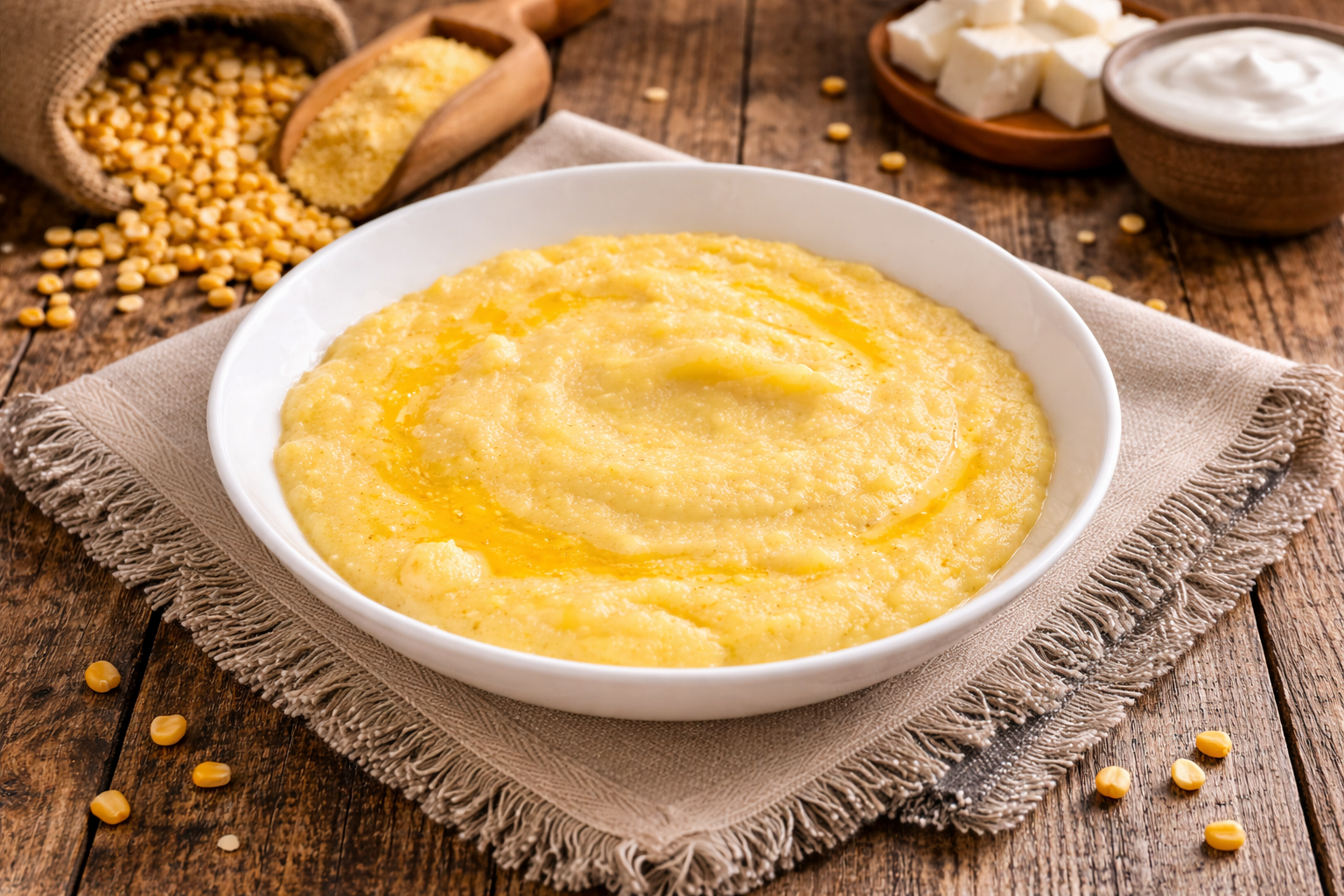
Traditional cicvara recipe is one of the oldest and most comforting dishes in Balkan cuisine. Made with milk, corn flour, butter, sour cream, and rich local dairy, cicvara is especially associated with Montenegro, where it is often served as a Christmas breakfast, hearty family meal, or rustic village dish. Creamy, rich, and deeply satisfying, this Balkan breakfast recipe is a perfect example of how simple ingredients can create unforgettable traditional food.
Across the Balkans, there are many variations of cicvara. You can find versions in Montenegro, Serbia, Bosnia, and Albania, each with small regional differences depending on family traditions and the dairy products available. Some recipes use kajmak, others use young white cheese, and some are made more like a porridge, while others are richer and thicker. In Montenegro, cicvara is often considered one of the great traditional mountain foods—filling, warming, and ideal for cold mornings.
If you love authentic Balkan comfort food, this Montenegrin cicvara recipe is a must-try. It is one of the top traditional dishes in Montenegro.
What is cicvara?
Cicvara is an ancient Balkan dish made primarily from corn flour and dairy. Depending on the local tradition, it may include milk, butter, sour cream, kajmak, fresh cheese, or a combination of several dairy ingredients. The result is a hot, creamy, rich dish that can be eaten for breakfast, as a side dish, or as a rustic main meal.
At its core, this creamy cornmeal dish is a food of the countryside. It comes from a time when people relied on basic farm ingredients—milk from the household, homemade butter, village cheese, and ground cornmeal. It is one of those dishes that reflects the agricultural and pastoral life of the Balkans, especially the mountainous regions of Montenegro.
Unlike many modern breakfast foods, this Montenegrin specialty is not light or delicate. It is intentionally filling and energy-dense, designed to keep people full for hours. That is one reason it became so popular in colder areas and among farming families who needed substantial morning meals.
Today, cicvara remains one of the best examples of traditional Montenegrin food, and it continues to be loved for its rich taste, comforting texture, and cultural significance.
History of cicvara
Cicvara is one of the oldest traditional dishes in Balkan cuisine, with deep roots in the rural and mountain regions of Montenegro, Serbia, and Bosnia and Herzegovina. Long before modern kitchens and processed foods, this corn-based recipe was a staple meal for shepherds, farmers, and families who relied on simple, locally available ingredients.
The dish developed in regions where dairy and corn were essential parts of everyday life. Cornmeal, introduced to the Balkans centuries ago, became a widely used ingredient because it was affordable, easy to store, and highly nutritious. Combined with milk, butter, and later dairy products like kajmak or sour cream, it formed the foundation of cicvara.
In Montenegro especially, cicvara became closely associated with mountain life and traditional hospitality. It was often prepared early in the morning as a hearty breakfast that provided energy for long days of physical work. Over time, it also became a symbolic dish served during special occasions, including winter gatherings and Christmas breakfasts.
Unlike more complex dishes, this traditional breakfast recipe reflects the essence of Balkan cooking—transforming a few humble ingredients into something rich, satisfying, and deeply comforting. Its preparation requires attention and constant stirring, which is why it is often associated with traditional cooking methods passed down through generations.
Today, this Balkan breakfast recipe remains a beloved dish across the Balkans, representing both history and tradition. Whether served in a rustic village home or recreated in a modern kitchen, it continues to connect people to the region’s culinary heritage.
Cicvara in traditional Balkan life
Cicvara was never just a meal—it was part of a way of life. In rural Balkan communities, food was closely tied to daily work, seasons, and available ingredients. Dishes like cicvara were designed to be filling, nourishing, and easy to prepare in large quantities.
Because of its high calorie content, cicvara was especially valued during colder months and in mountainous areas. It was commonly served alongside rustic bread, sour milk, or yogurt, creating a balanced and sustaining meal.
Even today, this Balkan cornmeal dish is often enjoyed in traditional settings with foods like kajmak, cured meats, and pickled vegetables, forming a complete Balkan table that reflects centuries of culinary tradition.
Why cicvara is important in Montenegro
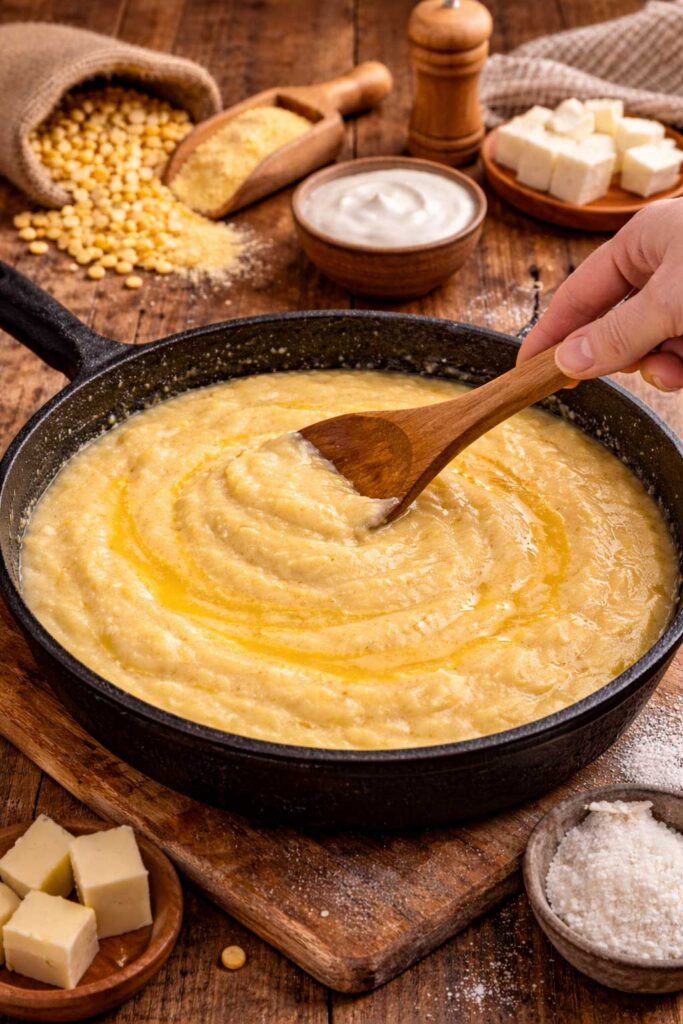
In Montenegro, cicvara is more than just a recipe. It is a dish closely connected to tradition, hospitality, village life, and holiday meals. It is especially known as a Christmas breakfast dish, though it can also be served year-round.
Montenegrin cuisine is shaped by geography. The country’s mountains, highlands, and pastoral communities created a strong food culture centered around dairy, corn, potatoes, lamb, cured meats, and rustic breads. This Balkan cornmeal dish fits perfectly into that heritage. It uses ingredients that were widely available in traditional households and turns them into something deeply nourishing.
One of the reasons cicvara remained important for so long is that it reflects the values of old Balkan home cooking:
- using simple ingredients well
- preparing food that feeds the whole family
- relying on local dairy products
- creating satisfying meals without waste
Because of its richness, this Montenegro breakfast recipe also became a celebratory food. It feels special, generous, and comforting. That is why it often appears during important family breakfasts and festive meals.
If you are trying to understand authentic Montenegrin cuisine, cicvara is one of the dishes you absolutely need to know.
If you enjoy hearty morning meals like cicvara, explore more ideas in our guide to Traditional Balkan Breakfast Foods.
Why cicvara is a Christmas breakfast in Montenegro
One of the most beautiful cultural details about cicvara is its role as a Christmas breakfast dish in Montenegro.
Traditional Christmas foods in the Balkans vary widely depending on region, religion, fasting customs, and local ingredients. In Montenegro, where food traditions remain strongly connected to family and seasonal rituals, this corn-based recipe appears as a warming, generous, celebratory breakfast.
Why does it fit Christmas so well?
It is rich and festive
Holiday breakfasts are meant to feel more abundant than everyday meals. Cicvara, with its butter, milk, sour cream, and sometimes kajmak, has that celebratory richness.
It is warming in winter
Christmas in Montenegro falls during the cold season. A hot dish made from dairy and corn is ideal for a winter morning.
It is rooted in village tradition
Christmas in many Balkan homes is about continuity with the past. Cicvara feels ancestral, old, and deeply local.
It brings people together
This creamy cornmeal dish is served warm and shared. Like many traditional breakfast dishes, it belongs to the table, not just the plate.
What cicvara tastes like

If you have never tried cicvara before, imagine something between:
- a rich cornmeal porridge
- a savory creamy polenta
- a buttery Balkan dairy dish
The flavor of cicvara depends heavily on the dairy used. When made with good milk, butter, sour cream, and kajmak or cheese, it becomes rich, slightly tangy, creamy, and deeply comforting. The corn flour provides body and mild sweetness, while the dairy adds depth and richness.
A proper corn-based recipe should taste:
- creamy
- buttery
- mildly salty
- slightly tangy if sour cream or kajmak is used
- rich but still rustic
The texture can vary from softer and spoonable to thick and hearty. Some families like it smoother, while others make it thicker and more substantial.
This is not a flashy dish. It is the kind of traditional food that wins people over with warmth and authenticity.
Cicvara vs Polenta
Because cicvara uses corn flour, many readers compare it to polenta. That comparison helps, but it is incomplete.
Similarities
Both dishes use corn-based meal or flour and are cooked into a thick consistency.
Differences
Cicvara is usually much richer because it depends heavily on dairy. Polenta is often made with water, broth, or more neutral ingredients. This corn-based recipe, on the other hand, is built around butter, milk, cream, sour cream, cheese, or kajmak.
Polenta is often a base or side. Cicvara can be breakfast, comfort dish, or even a main meal.
So while you can say this Balkan breakfast is “somewhat like a rich Balkan dairy polenta,” it really deserves to be understood on its own terms.
Cicvara is closely related to other traditional Balkan dishes that use simple ingredients and slow cooking techniques, similar to meals like pasulj or dairy-based recipes that rely on fermentation and natural richness.
Ingredients for traditional cicvara
Here is the classic ingredient list based on your recipe:
Ingredients
- 1.2 l milk
- 150 g corn flour
- 1 tsp salt
- 600 ml sour cream
- 100 g butter
These ingredients create a rich and creamy version of cicvara that is accessible for modern home cooks, while still honoring the spirit of the traditional dish.
Understanding each ingredient
Milk
Milk forms the main cooking base. It gives this Balkan breakfast its creamy body and soft texture. Whole milk works best because it provides better flavor and richness.
Corn flour
Corn flour is the foundation of this Montenegrin specialty. It thickens the dish and gives it that characteristic rustic Balkan texture. In many kitchens, people use a fine or medium-ground cornmeal depending on preference.
Salt
Because cicvara is built on simple ingredients, seasoning matters. Salt helps bring out the natural sweetness of the milk and the richness of the butter and cream.
Sour cream
Sour cream adds tanginess and luxurious texture. In traditional Balkan kitchens, this role may also be played by kajmak or other cultured dairy products.
Butter
Butter gives this corn-based recipe richness and silkiness. It also deepens the flavor and helps create the satisfying mouthfeel that makes this dish so comforting.
Best dairy products for authentic flavor
The success of cicvara depends largely on the dairy. Since the ingredient list is short, quality matters a lot.
For the best result, choose:
- whole milk
- real butter
- full-fat sour cream
- optional kajmak or Balkan white cheese if you want a richer regional variation
If you can find Balkan-style dairy products in an Eastern European market, even better. These often have the fuller, tangier flavor profile that makes cicvara taste more traditional.
If kajmak is available, you can stir in a spoonful or serve it on top. This gives the dish a more authentic western Balkan feel and brings it closer to the versions people know in Montenegro and Serbia.
For readers interested in Balkan dairy culture, this dish pairs beautifully with deeper reading on:
- Bulgarian Yogurt: History and Health Benefits
- Lactobacillus Bulgaricus Explained
- Bulgarian Cuisine: Complete Food Guide
To better understand one of the key ingredients used in many Western Balkan recipes, read our full Kajmak guide.
Cicvara Recipe
Ingredients
- 1.2 l milk
- 150 g corn flour
- 1 tsp salt
- 600 ml sour cream
- 100 g butter
Instructions
Step 1: Heat the milk
- Pour the milk into a large heavy-bottomed pot and bring it to a gentle boil over medium heat. Stir occasionally so the milk does not scorch at the bottom.
Step 2: Add the butter and salt
- Once the milk is hot and close to boiling, add the butter and salt. Stir until the butter melts completely into the milk.
Step 3: Add the corn flour gradually
- Slowly add the corn flour while stirring constantly. This is important because adding it too fast can create lumps. Keep stirring so the mixture stays smooth and evenly thickens.
Step 4: Cook and stir
- Continue cooking over medium to low heat for about 15 minutes, stirring constantly. The cicvara should become thick, creamy, and glossy.
Step 5: Add the sour cream
- Once the corn mixture is cooked, pour or spoon the sour cream over the hot cicvara. You can either gently fold it in for a creamier finish or leave some on top for serving.
Step 6: Serve hot
- Serve cicvara immediately while hot. It is best fresh, when the texture is smoothest and the dairy flavors are at their richest.
Notes
Cicvara recipe tips for best results
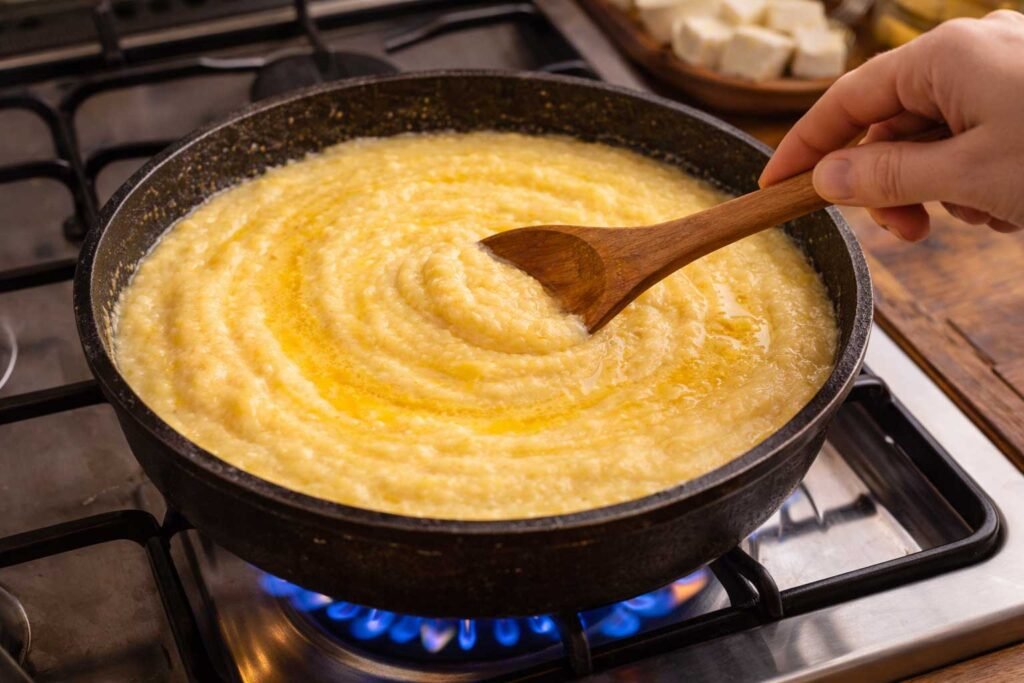
Stir constantly
This is the most important technique in the entire recipe. Milk-based corn dishes can stick easily, so steady stirring helps prevent burning and keeps the texture smooth.
Use a heavy pot
A heavy-bottomed pot distributes heat better and reduces the chance of scorching the milk.
Add corn flour slowly
Dumping it in all at once can create clumps. Slow addition while whisking or stirring makes a much better this creamy cornmeal dish.
Cook over medium-low heat
Too much heat can burn the milk or make the mixture thicken unevenly.
Use room-temperature sour cream if possible
This helps it blend more smoothly into the hot cicvara.
Use full-fat dairy
This is not the dish for low-fat substitutions. Traditional cicvara is meant to be rich.
Serve immediately
Cicvara is best eaten hot and fresh. As it cools, it thickens significantly.
Common mistakes to avoid
Even though this corn-based recipe is simple, a few common mistakes can affect the final dish.
Using low-fat dairy
Low-fat milk or reduced-fat sour cream will make the dish less rich and less authentic. Full-fat ingredients produce the best flavor and texture.
Not stirring enough
Because it cooks on the stove with milk, butter, and corn flour, this traditional recipe needs attention. Without enough stirring, lumps can form and the bottom may burn.
Cooking over heat that is too high
High heat can scorch the milk and cause uneven thickening. Medium to low heat works much better.
Adding corn flour too quickly
This often leads to a lumpy texture. Gradual addition gives smoother results.
Letting it sit too long before serving
Fresh this dairy-rich dish is creamy and soft. Once it sits for too long, it becomes thicker and heavier.
Variations of cicvara across the Balkans
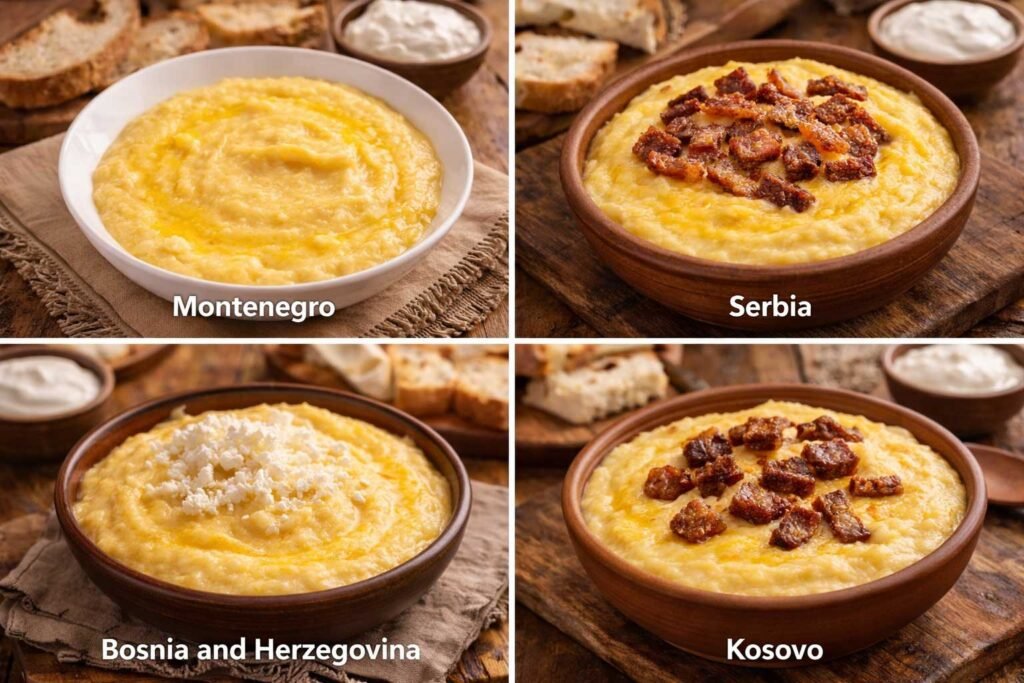
One of the most interesting things about cicvara is how many regional versions exist.
Montenegrin cicvara
Montenegro is perhaps the place most strongly associated with cicvara as a beloved traditional dish. Montenegrin versions often emphasize rich dairy and may include kajmak, local cheese, or sour milk products. It is especially tied to holiday breakfasts and mountain cuisine.
Serbian cicvara
In Serbia, cicvara is also well known and may be prepared with white cheese, kajmak, or a more cheese-forward dairy mixture. Some Serbian versions are even richer and thicker, almost becoming a festive rural specialty.
Bosnian versions
In Bosnia and Herzegovina, similar dishes appear in rustic regional cooking, especially in areas where dairy and corn-based foods are part of village traditions. The texture and dairy balance can vary greatly by household.
Cicvara in Albania
In Albania, particularly in northern and mountain regions, there are dishes with similar pastoral roots that combine corn-based cooking with dairy richness. While the names and exact methods may differ, the spirit is closely related.
This is part of what makes this creamy cornmeal dish so valuable for a Balkan food website. It is both specific to Montenegro and connected to a wider regional food story.
Why this regional spread matters
This makes cicvara both a national and a regional recipe. It is distinctly Montenegrin in popular identity, yet broadly western Balkan in culinary heritage. That gives the dish wider appeal and search reach.
Cicvara and traditional Balkan breakfast culture
Modern readers sometimes think of breakfast as something quick and light. Traditional Balkan breakfasts were often the opposite. In rural areas, breakfast needed to be warm, practical, and filling.
Cicvara belongs to that older breakfast tradition. It is made to provide:
- warmth
- energy
- fullness
- nourishment from dairy and grain
Why cicvara matters in Balkan cuisine
Some recipes are popular because they are convenient. Others become legendary because they capture the spirit of a place. This Balkan cornmeal dish belongs to the second category.
It matters in Balkan cuisine because it represents several core themes of the region’s food culture:
1. It is built on local ingredients
Traditional Balkan cooking often depends on what people can produce themselves. Cicvara is a perfect example. Corn flour, milk, butter, and cream are all ingredients rooted in village life.
2. It reflects mountain and pastoral traditions
In Montenegro and neighboring regions, dairy-based foods are central to the cuisine. This traditional dish fits naturally into this heritage.
3. It is tied to family and tradition
Many people first encounter cicvara not in a restaurant, but in a family home, often during a holiday meal or special breakfast.
4. It proves simple food can be extraordinary
Cicvara is not complicated, but when made properly, it is deeply memorable.
5. It connects multiple Balkan cuisines
Montenegro may be one of the strongest homes of cicvara, but versions also exist in Serbia, Bosnia, and Albania. That gives the dish regional importance beyond one national border.
What to serve with cicvara
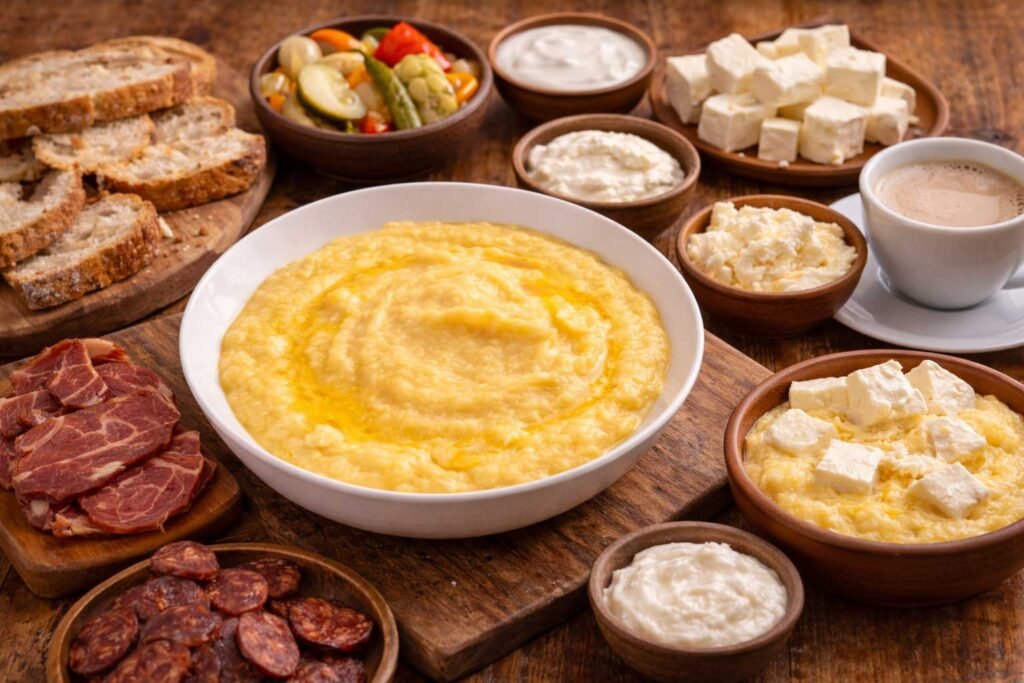
Cicvara is rich on its own, so it is often paired with simple foods and drinks.
Best pairings
- sour milk
- plain yogurt
- white coffee
- fresh white cheese
- kajmak
- pickled vegetables
- rustic bread
- cured meats in non-fasting regional variations
Because cicvara is creamy and heavy, acidic or tangy sides work particularly well. A small plate of pickled peppers, cabbage, or mixed winter preserves can balance the richness beautifully.
- Balkan Pickled Foods – Tangy vegetables are one of the best contrasts to this traditional dish, so do not miss our guide to Balkan Pickled Foods.
- Ajvar Guide – For a smoky pepper spread that pairs beautifully with rich dairy dishes, see our Ajvar guide.
- Shopska Salad – If you want something fresh on the side, our Shopska Salad recipe is a perfect Balkan pairing.
- Sarma Recipe – If rustic comfort food is your style, continue with our classic Sarma recipe.
Even though these are different types of dishes, they live in the same Balkan flavor universe and help strengthen your topical cluster.
Cicvara is especially delicious when served with sour milk, plain yogurt, village-style cheese, or a plate of tangy pickled vegetables.
What to drink with cicvara
Traditional pairings matter because they deepen the cultural feel of the recipe.
Sour milk
This is one of the most authentic pairings. The tang works beautifully with the creamy corn dish.
Plain yogurt
A simple Balkan-style yogurt adds freshness and balances the heaviness.
White coffee
This is a classic old-fashioned pairing in many Balkan homes. White coffee usually means coffee softened with plenty of milk.
Herbal tea
For modern readers, herbal tea can also work well, especially in winter.
Is cicvara a breakfast, side dish, or main dish?
The answer is: all three, depending on the context.
As breakfast
This is one of the most traditional ways to serve cicvara, especially in Montenegro during holidays or colder months.
As a side dish
It can accompany roasted meats, grilled foods, village-style spreads, or hearty Balkan lunches.
As a main dish
Because it is so rich and filling, cicvara can easily be served as a simple main meal with yogurt, cheese, or pickled vegetables on the side.
That flexibility is part of its appeal. It is both humble and substantial.
For more rich and comforting recipes built around cheese, yogurt, and cream, visit our guide to Traditional Balkan Dairy Dishes and Sides.
Is cicvara similar to polenta?
Cicvara is related to polenta in the sense that both use cornmeal or corn flour, but they are not the same dish.
Polenta is usually:
- made with water or stock
- more neutral
- often served as a base or side
This corn-based recipe is usually:
- much richer
- heavily dairy-based
- more tied to Balkan regional tradition
- often enriched with butter, sour cream, cheese, or kajmak
So while readers may understand cicvara by comparing it to creamy polenta, it really deserves to be treated as its own traditional Balkan dish.
Why cicvara is considered a high-calorie traditional food
Traditional Balkan mountain foods were designed around function as much as flavor. Cicvara became popular because it is:
- energy-dense
- warming
- inexpensive from farm ingredients
- satisfying for long periods
That is why many old descriptions refer to it as a high-calorie dish. This is not a modern diet food. It is heritage comfort food from a world where people worked hard physically and needed substantial meals.
For modern readers, that is part of the appeal. Cicvara is a dish to enjoy when you want something deeply comforting and traditional—not something overly processed or trendy.
Storage and reheating tips
Cicvara is best fresh, but leftovers can still be used.
How to store
Let it cool, then transfer to an airtight container and refrigerate for up to 2 days.
How to reheat
Reheat gently on the stove over low heat with a splash of milk. Stir often to restore some creaminess.
Expect texture changes
The texture will be thicker after refrigeration. This is normal. Adding a little milk or sour cream during reheating helps.
Can you make cicvara with kajmak?
Yes, and many people would argue that kajmak makes cicvara even more traditional.
Kajmak is a rich Balkan dairy product somewhat similar to clotted cream or a cultured milk fat spread, depending on the style. When added to this creamy cornmeal dish, it gives the dish a deeper, tangier, more luxurious flavor.
You can:
- stir kajmak directly into the hot cicvara
- spoon it on top before serving
- combine it with sour cream for extra richness
Is cicvara gluten-free?
In many cases, yes, cicvara can be gluten-free because its main starch is corn flour. However, it depends on the specific ingredients used and whether cross-contamination is an issue.
For readers with dietary needs, it is best to note:
- use certified gluten-free corn flour if needed
- check packaged sour cream and dairy products
- confirm there are no flour additives in regional cheese products
This post contains affiliate links. This means I may earn a small commission if you purchase through these links, at no additional cost to you. I only recommend products that are relevant to traditional Balkan cooking and that I believe will genuinely help you in your kitchen.
Recommended kitchen tools for making cicvara
Essential cookware for creamy cicvara
Making authentic cicvara requires the right cookware to achieve its signature smooth, creamy texture without burning. Because this dish is cooked slowly with constant stirring, using traditional tools like a heavy-bottomed saucepan and wooden spoon can make a big difference in both flavor and consistency.
Top picks for making perfect cicvara at home:
| Product | Why it helps | Best for | Price range | Check price |
|---|---|---|---|---|
| Heavy-bottomed saucepan | Prevents scorching milk and dairy | Traditional stovetop cooking | $$ | Check price |
| Silicone whisk | Helps blend corn flour smoothly | Lump-free texture | $ | Check price |
| Wooden spoon | Ideal for constant stirring | Authentic rustic cooking | $ | Check price |
| Measuring jug | Easier dairy measurement | Accuracy | $ | Check price |
| Serving bowls | Great for hot breakfast dishes | Presentation | $ | Check price |
Best dairy and porridge cooking equipment
Preparing milk-based dishes like cicvara requires reliable cookware that prevents sticking and ensures even heat distribution. These tools are especially helpful when working with dairy and corn-based recipes that require precision and consistency.
| Product | Use | Why readers may want it | Price range | Check price |
|---|---|---|---|---|
| Nonstick stock pot | Cooking milk-based dishes | Less sticking | $$ | Check price |
| Fine cornmeal storage container | Keeps dry ingredients fresh | Pantry organization | $ | Check price |
| Butter dish with lid | Everyday dairy storage | Practical kitchen upgrade | $ | Check price |
| Ceramic serving dish | Rustic Balkan serving style | Better table presentation | $$ | Check price |
Balkan breakfast essentials
Cicvara is often served as part of a traditional Balkan breakfast, alongside dairy products and rustic sides. These essential tools allow you to recreate a complete breakfast experience at home, especially if you want to explore homemade yogurt, cheese preparation, or traditional serving styles.
| Product | Use | Great for | Price range | Check price |
|---|---|---|---|---|
| Yogurt maker | Homemade fermented dairy | Balkan breakfast lovers | $$ | Check price |
| Cheese cloth set | Homemade dairy prep | Readers exploring Balkan dairy | $ | Check price |
| Traditional-style wooden boards | Serving cheese and rustic sides | Food styling and hosting | $$ | Check price |
| Pickle jar set | Serving tangy sides with cicvara | Balkan side dishes | $ | Check price |
Kitchen accessories for rustic Balkan breakfast serving
Presentation plays an important role in Balkan cuisine, especially when serving dishes like cicvara as part of a shared table. These accessories help create an authentic, rustic atmosphere, making your breakfast feel closer to a traditional Balkan home or countryside setting.
| Product | Use | Best for | Price range | Check price |
|---|---|---|---|---|
| Wooden breakfast tray | Traditional-style serving | Holiday breakfasts | $$ | Check price |
| Linen kitchen towels | Rustic food styling | Balkan farmhouse aesthetic | $ | Check price |
| Stoneware plates | Hearty traditional dishes | Authentic presentation | $$ | Check price |
| Small ceramic ramekins | Serving kajmak, cream, and pickles | Rich breakfast spreads | $ | Check price |
| Bread basket with cloth liner | Serving rustic bread alongside cicvara | Complete table setup | $ | Check price |
Kitchen accessories and pantry helpers for corn-based recipes
Because cicvara relies heavily on cornmeal and dairy, proper storage and preparation tools can significantly improve your results. Keeping ingredients fresh and well-organized ensures consistent cooking, especially if you regularly prepare corn-based or traditional Balkan dishes.
| Product | Use | Why readers may want it | Price range | Check price |
|---|---|---|---|---|
| Airtight cornmeal container | Keeps corn flour fresh | Pantry organization | $ | Check price |
| Measuring jug | Easy milk measurement | Accurate recipe prep | $ | Check price |
| Glass ingredient jars | Store salt and dry goods | Rustic kitchen storage | $ | Check price |
| Fine mesh sieve | Smoother corn flour prep | Lump-free cooking | $ | Check price |
| Pantry label set | Organize baking and grain staples | Useful for regular home cooks | $ | Check price |
Balkan comfort food kitchen essentials
Because cicvara relies heavily on cornmeal and dairy, proper storage and preparation tools can significantly improve your results. Keeping ingredients fresh and well-organized ensures consistent cooking, especially if you regularly prepare corn-based or traditional Balkan dishes.
| Product | Use | Great for | Price range | Check price |
|---|---|---|---|---|
| Dutch oven | Slow-cooked Balkan dishes | Sarma, beans, stews, dairy dishes | $$$ | Check price |
| Serving platter | Rustic family-style meals | Balkan spreads | $$ | Check price |
| Fermentation jars | Yogurt sides and pickled vegetables | Traditional Balkan accompaniments | $$ | Check price |
| Cheese knife set | Serving white cheese and kajmak | Breakfast and mezze tables | $ | Check price |
| Rustic table runner | Food photography and presentation | Blog styling and Pinterest shots | $ | Check price |
FAQ about cicvara
What is cicvara made of?
Cicvara is traditionally made with corn flour and dairy ingredients such as milk, butter, sour cream, cheese, or kajmak.
Is cicvara from Montenegro?
Cicvara is strongly associated with Montenegro, but versions also exist in Serbia, Bosnia, and other western Balkan regions.
Is cicvara eaten for breakfast?
Yes. In Montenegro, cicvara is especially known as a traditional breakfast dish and is often served on holidays such as Christmas.
What does cicvara taste like?
It tastes rich, creamy, buttery, mildly salty, and slightly tangy depending on the dairy used.
Is cicvara the same as polenta?
No. While both use cornmeal or corn flour, cicvara is much richer and more dairy-based than standard polenta.
Can I use kajmak in cicvara?
Yes. Kajmak is one of the most traditional additions and gives the dish a more authentic Balkan flavor.
Can cicvara be served as a side dish?
Yes. It can be served as breakfast, a side dish, or even a main meal.
Final Thoughts
Cicvara is more than a breakfast recipe. It is a dish that carries the memory of mountain homes, winter mornings, holiday tables, and generations of Balkan cooking. It shows how a few basic ingredients—milk, corn flour, butter, and cream—can become something deeply meaningful.
In Montenegro, cicvara remains one of the most recognizable traditional foods for a reason. It is rich, warming, practical, and full of character. In the broader Balkans, it stands as one of those ancient dishes that connects countries through shared rural food traditions.
If you love old-world recipes built on dairy, grain, and centuries of tradition, this Balkan meal is a dish worth preserving—and worth making again and again.
Explore more traditional Balkan recipes and guides
If you enjoyed this traditional cicvara recipe, continue exploring authentic Balkan cuisine with these in-depth guides:
- Bulgarian Yogurt: History and Health Benefits
- Traditional Bulgarian Breakfast Foods
- Shopska Salad Recipe Guide
- Bulgarian Cuisine: Complete Food Guide
- Lactobacillus Bulgaricus Explained
- Sarma Recipe
- Ajvar Guide
- Balkan Pickled Foods
Inspiration: serbiancookbook.com, bastabalkana.com, coolinarika.com
You can explore even more authentic regional dishes in our growing collection of traditional Montenegrin recipes.
Did you make this Cicvara recipe?
Please let me know how it turned out for you! Leave a comment below and don’t forget to follow us. Sharing is caring!