


Riblja Corba (Fish Soup)
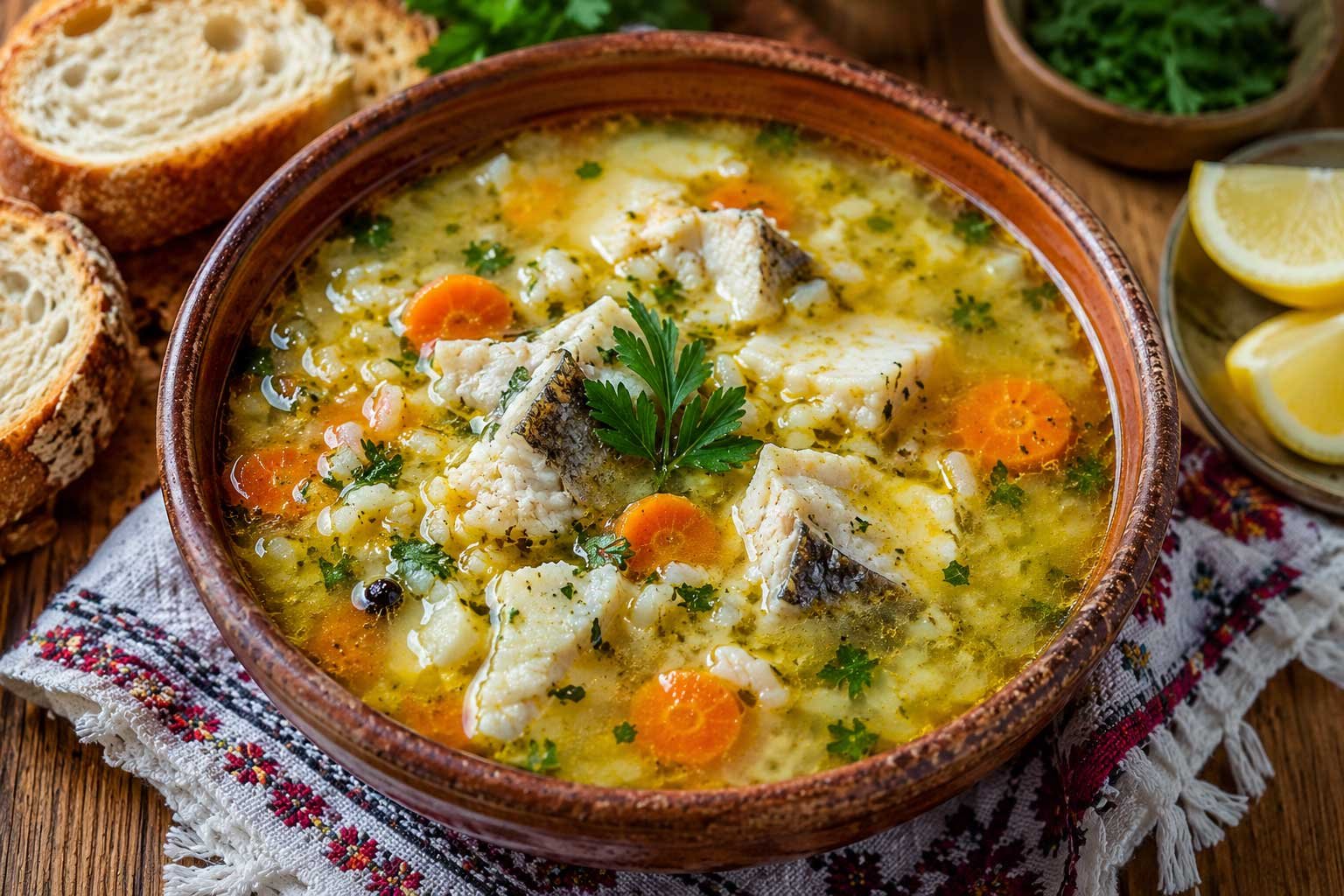
Riblja Čorba Recipe is a traditional Serbian fish soup made with a variety of freshwater fish, vegetables, herbs, and rice. Rich, flavorful, and deeply rooted in Serbia’s river-fishing traditions, this beloved dish is especially popular along the banks of the Danube, Sava, and Tisa rivers.
Unlike heavier fish stews, Riblja Čorba features a lighter, broth-based consistency that allows the delicate flavors of the fish, vegetables, and herbs to shine. Some cooks prefer to strain the soup for a crystal-clear broth, while others leave the vegetables and fish pieces intact for a heartier and more rustic meal.
Whether served as a starter or enjoyed as a satisfying main course with fresh crusty bread, this authentic Riblja Čorba recipe offers a delicious taste of Serbia’s rich culinary heritage and traditional river cuisine.
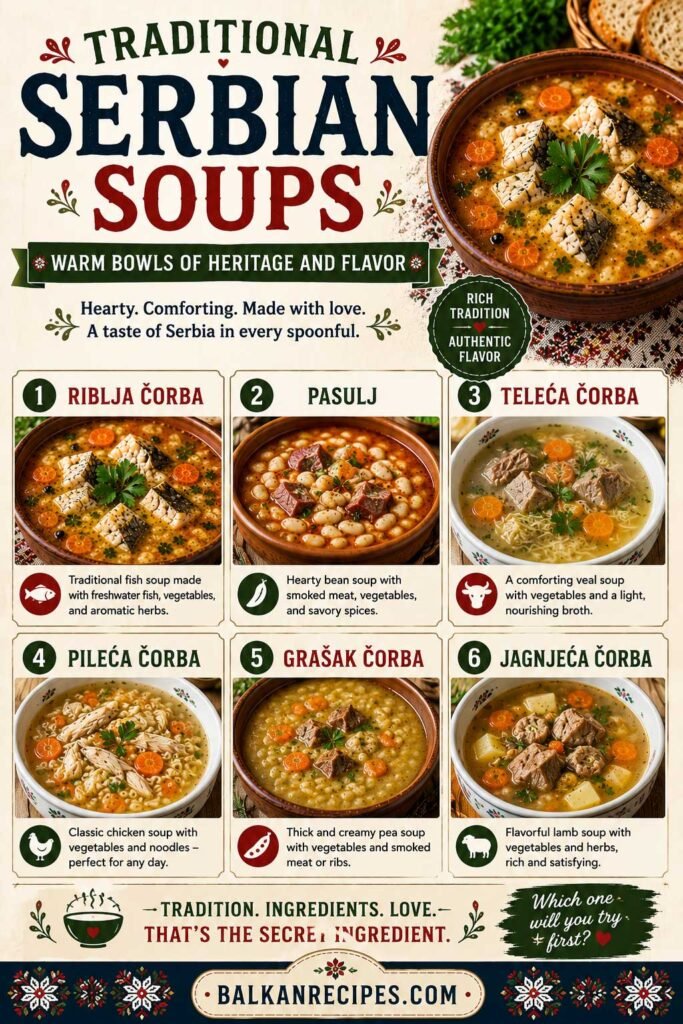
If you enjoy traditional Serbian comfort foods, be sure to try our Serbian Bean Soup (Pasulj) for another classic recipe packed with authentic Balkan flavors.
What Is Riblja Čorba? A Traditional Serbian Fish Soup
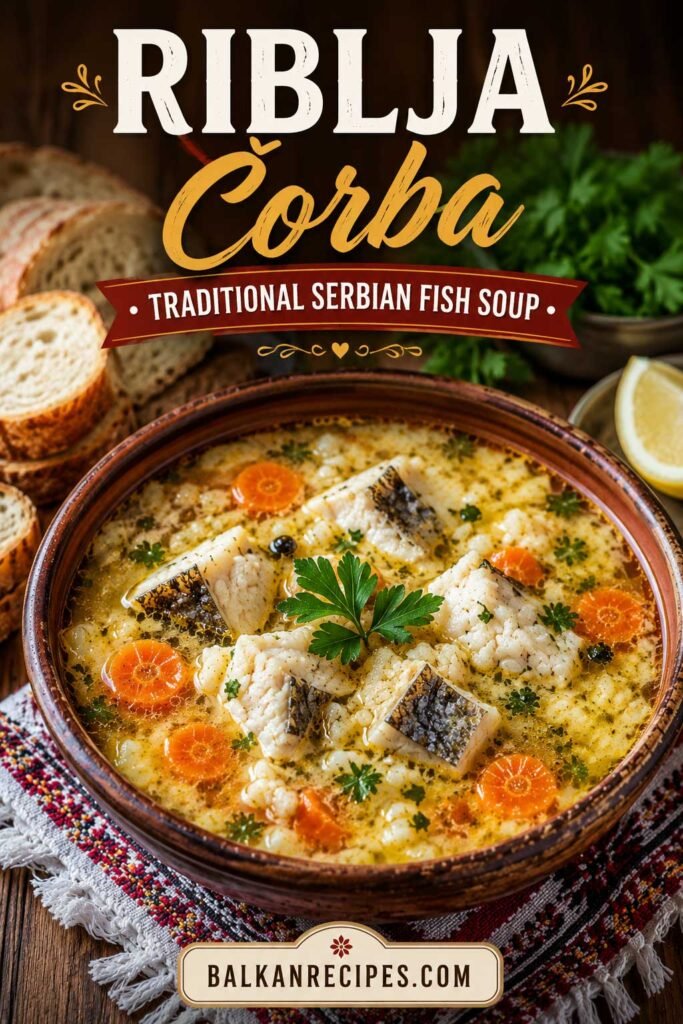
Riblja Čorba is a traditional Serbian fish soup made by slowly simmering freshwater fish with vegetables, herbs, and seasonings to create a rich, flavorful broth. This authentic Riblja Čorba recipe has been enjoyed for generations and remains one of Serbia’s most beloved traditional dishes.
The name literally means “fish soup” in Serbian, while the word čorba refers to a style of Balkan soup that is more substantial than a simple broth but lighter than a thick stew. Known for its comforting flavor and nourishing ingredients, Riblja Čorba is a staple of Serbian home cooking and river cuisine.
This classic fish soup has long been associated with Serbia’s rivers, lakes, and fishing communities, particularly along the Danube, Sava, and Tisa rivers. Fishermen traditionally prepared the soup using the day’s catch, often combining several varieties of freshwater fish to create a deeper and more complex flavor.
Fish soups are just one part of Serbia’s diverse culinary tradition. Popular dishes such as Gibanica, Ćevapi, and Serbian Salad can often be found alongside traditional soups on Serbian tables.
Common fish used in Riblja Čorba include carp, catfish, pike, perch, zander, and bream. These are simmered with vegetables such as onions, carrots, celery, and garlic, allowing the ingredients to infuse the broth with rich savory flavor. Once cooked, the fish is carefully deboned and returned to the pot, often along with rice or occasionally small pasta.
Depending on the region and family tradition, Riblja Čorba may be served as a clear broth or as a heartier version containing more vegetables and fish pieces. Some cooks prefer to strain the soup for a smoother texture, while others leave everything in the pot for a rustic, homemade presentation.
Today, Riblja Čorba remains a favorite throughout Serbia and can be found in family homes, riverside restaurants, fishing lodges, and local food festivals. Its comforting taste and strong connection to Serbia’s fishing heritage continue to make it a cherished part of the country’s culinary tradition.
Why You’ll Love This Riblja Čorba Recipe

Authentic Serbian Flavor
This recipe brings the traditional taste of Serbian river cuisine to your kitchen. Made with freshwater fish, vegetables, and simple seasonings, it reflects the generations-old cooking traditions found throughout Serbia’s fishing communities.
Light Yet Satisfying
Unlike heavy cream-based soups, Riblja Čorba offers a rich and flavorful broth that feels nourishing without being overly filling. It’s the perfect balance between comfort food and a lighter meal.
Packed with Nutrition
Fresh fish provides high-quality protein, omega-3 fatty acids, vitamins, and essential minerals, while the vegetables add fiber and valuable nutrients. The result is a wholesome soup that is both delicious and nutritious.
Great Use for Fresh Fish
Whether you’ve caught your own fish or purchased it from a market, this recipe is a wonderful way to showcase the natural flavor of freshwater fish. Using several varieties together creates an even richer and more complex broth.
Easy to Customize
One of the best things about Riblja Čorba is its flexibility. You can adjust the fish varieties, vegetables, rice, herbs, and seasonings based on what you have available while still maintaining its traditional character.
Perfect for Any Season
Serve it hot on a cold winter evening for a comforting meal, or enjoy it as a lighter lunch or dinner during the warmer months. Its versatility makes it a dish that can be enjoyed throughout the year.
Family-Friendly and Comforting
With its mild flavors and hearty ingredients, Riblja Čorba is a soup that appeals to both adults and children. Paired with fresh bread, it becomes a simple yet satisfying meal the whole family can enjoy.
A Taste of Serbian Culinary Heritage
Every bowl offers a connection to Serbia’s rich fishing traditions and regional cuisine. It’s a wonderful recipe for anyone interested in exploring authentic Balkan food and experiencing a classic dish that has been enjoyed for generations.
Like many beloved Serbian dishes, Riblja Čorba has a fascinating story rooted in the country’s rivers and fishing traditions.
The History of Riblja Čorba
The history of Riblja Čorba is closely tied to Serbia’s rivers, fishing traditions, and rural way of life. For centuries, communities living along the Danube, Sava, Tisa, and Morava rivers relied on freshwater fish as an important source of food. Fishing was not only a means of livelihood but also a vital part of everyday life, helping shape many of the dishes that became staples of traditional Serbian cuisine.
As fishermen returned home with their daily catch, families developed simple yet flavorful ways to prepare a variety of fish. One of the most practical solutions was soup, which allowed cooks to combine different fish species with vegetables, herbs, and seasonings to create nourishing meals that could feed an entire household. Over time, this humble dish evolved into the traditional Riblja Čorba recipe that remains popular today.
As the soup spread throughout the country, regional variations began to emerge. Different areas adapted the recipe based on locally available fish species and culinary traditions. In Vojvodina and other regions along the Danube, fish soup became especially important, often served during family gatherings, fishing events, and community celebrations.
The popularity of Riblja Čorba eventually led to fish soup festivals and cooking competitions, where skilled cooks proudly showcased family recipes passed down through generations. Some versions remained mild and delicate, while others incorporated paprika and additional spices to create bolder flavors. These regional interpretations helped preserve local traditions while celebrating Serbia’s rich fishing heritage.
Many of Serbia’s most beloved recipes, including Pasulj, Sarma, and Gibanica, originated from similar traditions of simple ingredients transformed into comforting family meals.
Today, Riblja Čorba remains one of Serbia’s most beloved traditional soups. It is enjoyed in family homes, riverside restaurants, fishing lodges, and cultural festivals throughout the country. Whether served as a simple weekday meal or prepared for a special occasion, this classic Serbian fish soup continues to reflect the strong connection between Serbia’s people, its rivers, and its culinary traditions.
Ingredients You’ll Need
One of the reasons this Riblja Čorba recipe has remained popular for generations is its simplicity. A handful of fresh fish, vegetables, and seasonings come together to create a rich and flavorful Serbian fish soup that is both comforting and nourishing.
Mixed Freshwater Fish
The heart of Riblja Čorba is the fish. Traditional recipes often use a combination of freshwater fish such as carp, catfish, pike, perch, zander, or bream. Using several varieties creates a deeper, more complex flavor and produces a richer broth.
Onion
Onion forms the aromatic base of the soup. In many Serbian households, the onion is lightly charred before being added to the pot, a traditional technique that enhances the broth’s flavor and gives it a beautiful golden color.
Carrots
Carrots add natural sweetness and help balance the savory flavors of the fish. They also contribute color and valuable nutrients to the finished soup.
Celery
Celery adds a subtle earthy flavor and helps create a well-rounded broth. Its aromatic qualities complement both the fish and the other vegetables.
Garlic
A few cloves of garlic provide depth and complexity without overpowering the delicate taste of the fish. As the soup simmers, the garlic infuses the broth with rich savory notes.
Rice
Rice transforms the soup into a more filling meal. It absorbs the flavorful broth while adding texture and heartiness to every spoonful.
Peppercorns
Whole peppercorns contribute gentle warmth and subtle spice, enhancing the overall flavor without dominating the dish.
Olive Oil
A small amount of olive oil is stirred into the soup near the end of cooking. This traditional finishing touch adds richness and helps create a smoother, more satisfying broth.
Fresh Parsley
Fresh parsley adds brightness, color, and a refreshing herbal flavor that perfectly complements the fish and vegetables.
Salt
Salt brings all the ingredients together and enhances the natural flavors of the fish and broth. Adjust the amount according to your personal taste.
Water
Because the broth is the foundation of the soup, using fresh, good-quality water is important for achieving the best flavor.
Optional Additions
Many Serbian families personalize their Riblja Čorba with ingredients such as sweet paprika, bay leaves, parsnips, celeriac, fresh dill, or a squeeze of lemon juice. These additions vary by region and family tradition, giving each version of the soup its own unique character.
Kitchen Equipment Needed
You don’t need any specialized equipment to make Riblja Čorba, but a few basic kitchen tools can make fish preparation and soup cooking much easier.
Affiliate Disclosure: This article may contain affiliate links. If you purchase through these links, I may earn a small commission at no additional cost to you.
Essential Tools for Making Riblja Čorba
The right kitchen tools make preparing traditional Serbian fish soup easier, safer, and more enjoyable. These essentials help you create a rich, flavorful broth while simplifying fish preparation and cleanup.
| Product | Why It’s Useful | Buy |
|---|---|---|
| Large Stockpot | Perfect for simmering fish and vegetables evenly. | Check Price |
| Fish Fillet Knife | Makes cleaning and deboning fish much easier. | Check Price |
| Cutting Board | Provides a sturdy surface for fish and vegetable prep. | Check Price |
| Fine Mesh Strainer | Ideal for creating a clear, refined broth. | Check Price |
| Soup Ladle | Makes serving soup simple and mess-free. | Check Price |
| Measuring Cups | Helps ensure accurate ingredient portions. | Check Price |
How to Make Riblja Čorba
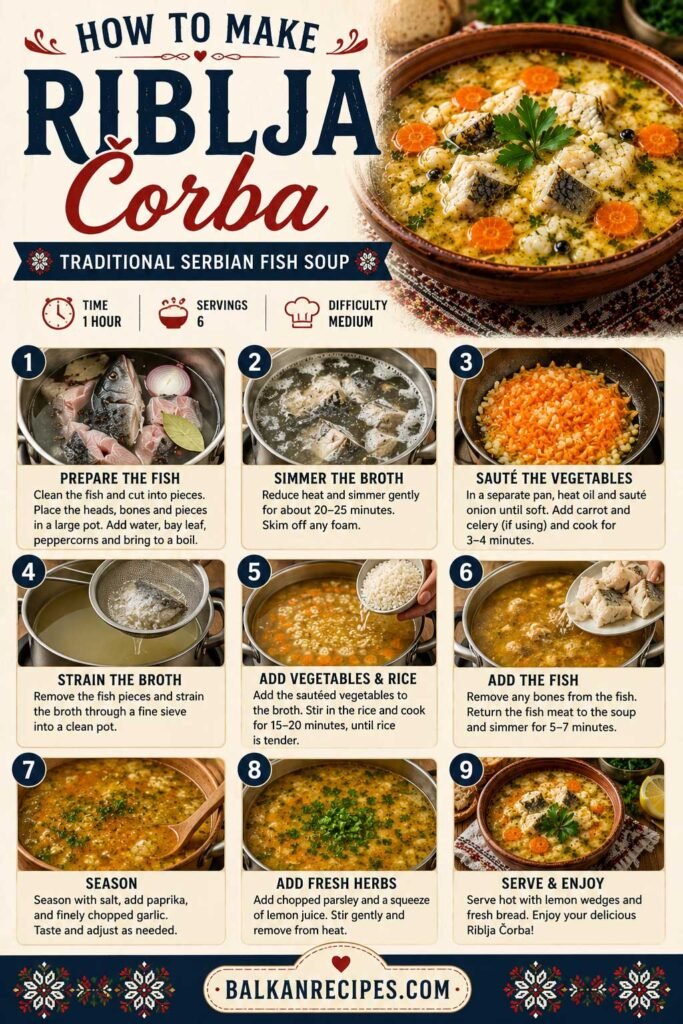
Making authentic Riblja Čorba is surprisingly simple. The key is allowing the fish, vegetables, and seasonings to simmer slowly so they can develop a rich, flavorful broth. Follow these easy steps to prepare a traditional Serbian fish soup at home.
Step 1: Prepare the Fish
Clean the fish thoroughly, removing any scales, entrails, and unwanted parts. Rinse well under cold water and cut the fish into large serving pieces. For the most authentic flavor, use a combination of freshwater fish rather than a single variety.
Step 2: Char the Onion
Cut the onion in half and place the cut sides directly onto a hot skillet or dry pan. Cook for a few minutes until lightly browned or slightly charred. This traditional Serbian technique adds extra depth, color, and subtle sweetness to the broth.
Step 3: Build the Soup Base
Fill a large stockpot with water and place it over medium heat. Add the fish pieces, charred onion, carrots, celery, garlic cloves, and peppercorns. Bring everything to a gentle simmer.
Step 4: Simmer the Broth
Cover the pot and allow the soup to simmer gently for about 30 minutes. During this time, the fish and vegetables will release their flavors, creating the rich broth that gives Riblja Čorba its distinctive taste.
Step 5: Remove and Debone the Fish
Carefully remove the cooked fish from the pot and transfer it to a plate. Once it is cool enough to handle, remove all bones and skin, separating the tender fish meat from any unwanted parts.
Step 6: Cook the Rice
While the fish cools, add the rice directly to the simmering broth. Continue cooking until the rice is tender and has absorbed some of the flavorful liquid.
Step 7: Return the Fish
Gently return the deboned fish meat to the pot. Stir carefully to avoid breaking the fish into very small pieces.
Step 8: Finish the Soup
Add the olive oil and season with salt to taste. Let the soup simmer for another few minutes so the flavors can fully combine.
Step 9: Garnish and Serve
Ladle the hot soup into bowls and sprinkle generously with freshly chopped parsley. Serve immediately with crusty bread and, if desired, a wedge of lemon for extra brightness and flavor.
Optional Step: Strain the Broth
For a smoother and more refined presentation, some cooks strain the broth before adding the rice and returning the fish. This creates a clearer soup while preserving all of the rich flavor.

Riblja Čorba (Serbian Fish Soup)
Ingredients
- 1 kg mixed freshwater fish carp, catfish, pike, perch, or similar
- 1 tbsp olive oil
- 3 carrots sliced
- 1 onion halved
- 1 celery stalk chopped
- 2 garlic cloves
- 1 cup rice
- 4 whole peppercorns
- 2 tbsp fresh parsley chopped
- Salt to taste
- 8 cups water
Optional Ingredients
- 1 bay leaf
- 1 tsp sweet paprika
- Fresh dill
- Lemon wedges for serving
Instructions
- Clean the fish thoroughly and cut it into large serving pieces.
- Cut the onion in half and lightly char the cut sides in a dry skillet until browned.
- Fill a large stockpot with water and place over medium heat.
- Add the fish, onion, carrots, celery, garlic, and peppercorns.
- Bring to a gentle simmer, cover, and cook for about 30 minutes.
- Carefully remove the fish from the pot and allow it to cool slightly.
- Remove all bones and skin from the fish and set the meat aside.
- Add the rice to the simmering broth and cook until tender, about 15 minutes.
- Return the deboned fish to the pot.
- Stir in the olive oil and season with salt to taste.
- Simmer for another 2 to 3 minutes.
- Garnish with fresh parsley and serve hot with crusty bread and lemon wedges if desired.
Notes
- Using several varieties of freshwater fish creates the most authentic flavor.
- Charring the onion adds extra depth and color to the broth.
- For a clearer soup, strain the broth before adding the rice.
- Leftovers can be refrigerated for up to 3 days.
- The soup often tastes even better the next day.
Tips for the Best Riblja Čorba
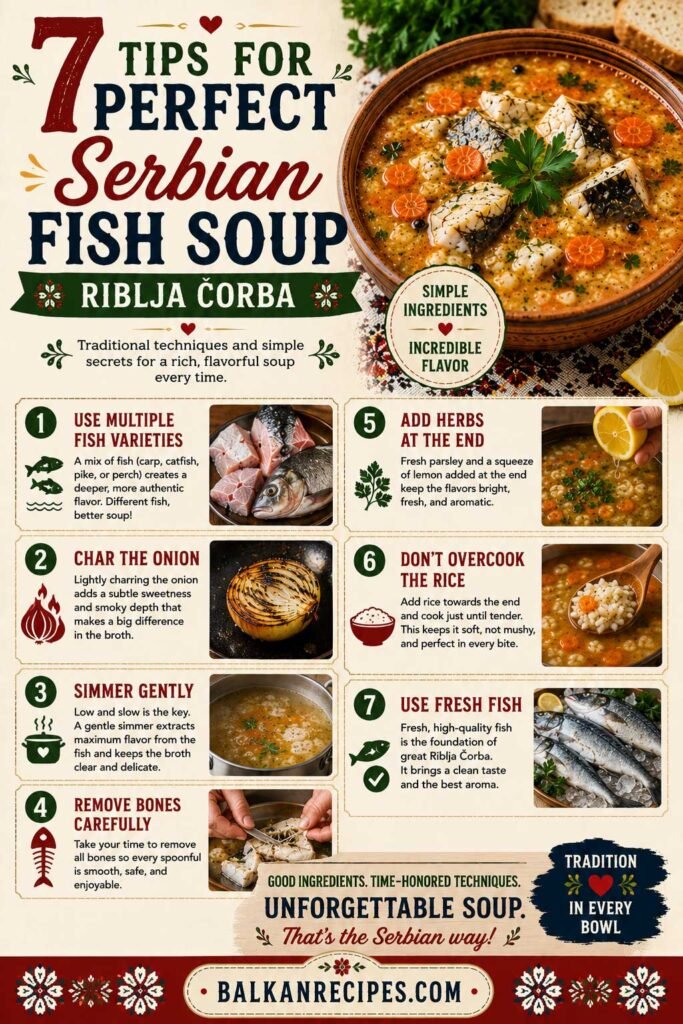
While Riblja Čorba is a simple and rustic Serbian fish soup, a few traditional techniques can make a noticeable difference in the flavor, texture, and overall quality of the finished dish. These tips will help you achieve the most authentic and delicious results.
Use Multiple Types of Fish
One of the secrets to an authentic Riblja Čorba recipe is using several varieties of freshwater fish. Combining fish such as carp, catfish, pike, perch, or zander creates a deeper, richer broth than using a single type of fish alone.
Choose the Freshest Fish Possible
If you can get fresh fish from a local market or a recent catch, you’ll notice a big difference in the flavor of the finished soup. Whenever possible, buy fish from a reputable fish market or use freshly caught fish for the most authentic Serbian fish soup.
Don’t Skip Charring the Onion
Lightly charring the onion before adding it to the pot is a traditional Serbian technique that adds color, depth, and subtle sweetness to the broth. It’s a simple step that makes a noticeable difference.
Simmer, Don’t Boil
Keep the soup at a gentle simmer rather than a rolling boil. Slow cooking allows the fish and vegetables to release their flavors gradually while helping the fish remain tender and preventing the broth from becoming cloudy.
Remove Fish Bones Carefully
After cooking, take your time when deboning the fish. Even small bones can affect the enjoyment of the soup, especially when serving guests or children.
Strain the Broth for a Clearer Soup
For a more refined presentation, strain the broth after removing the fish and vegetables. This creates a smoother, clearer soup while preserving all of the rich flavor.
Season Gradually
Fish varieties differ in flavor and natural saltiness. Add salt gradually and taste as you cook, making final adjustments near the end of the cooking process.
Add Fresh Herbs at the End
Fresh parsley, dill, or other herbs should be added just before serving. This helps preserve their bright flavor, vibrant color, and fresh aroma.
Let the Soup Rest Briefly
Like many traditional soups and stews, Riblja Čorba often tastes even better after resting for 10 to 15 minutes before serving, allowing the flavors to blend together.
Serve with Fresh Bread
A slice of crusty bread is the perfect companion to Serbian fish soup. It soaks up the flavorful broth and transforms the meal into a hearty and satisfying dining experience.
Common Mistakes to Avoid When Making Riblja Čorba
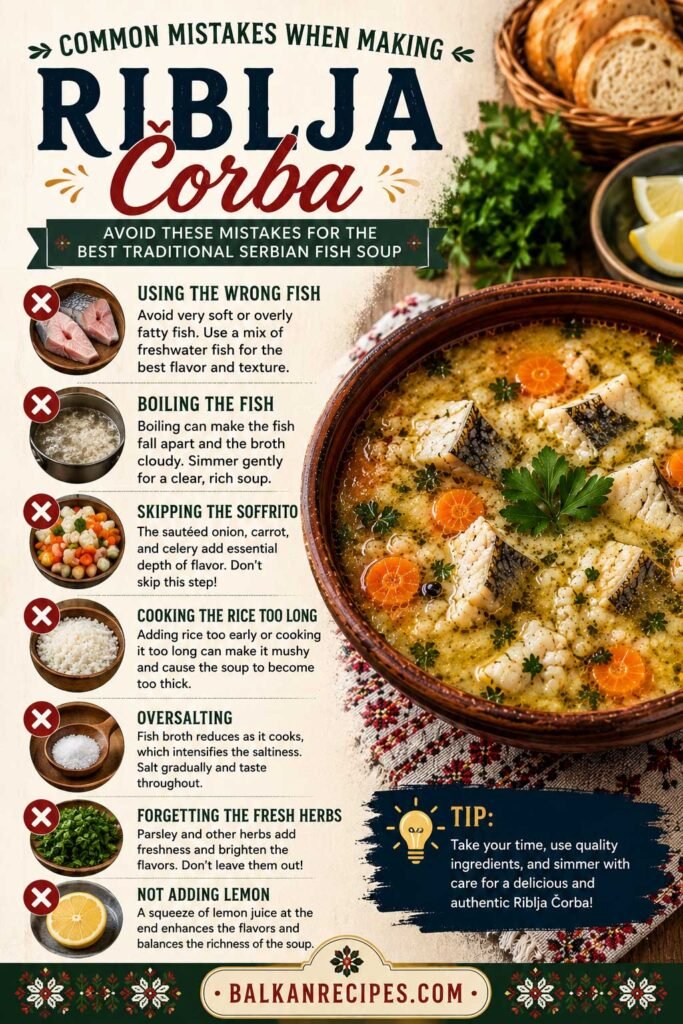
Riblja Čorba is a relatively simple recipe, but a few common mistakes can affect the flavor, texture, and overall quality of the soup. Avoiding these pitfalls will help you create a rich, authentic Serbian fish soup every time.
Using Only One Type of Fish
While the soup can be made with a single variety of fish, traditional Riblja Čorba is often prepared using several types of freshwater fish. Combining different fish creates a deeper, more complex broth and a more authentic flavor.
Using Fish That Isn’t Fresh
Fresh fish is the foundation of a great fish soup. Older fish can produce a less pleasant aroma and diminish the overall flavor of the broth.
Skipping the Charred Onion
Many traditional Serbian cooks lightly char the onion before adding it to the pot. Skipping this step won’t ruin the soup, but you’ll miss out on the extra depth, color, and subtle sweetness it provides.
Boiling the Soup Too Hard
A vigorous boil can cause the fish to break apart, make the broth cloudy, and create a less appealing texture. Always maintain a gentle simmer for the best results.
Not Removing the Bones Carefully
One of the most common mistakes is rushing the deboning process. Take your time to remove all bones thoroughly before returning the fish to the soup.
Overcooking the Rice
Rice continues to absorb liquid as it sits. Cooking it too long can make the soup overly thick and cause the rice to become mushy.
Adding Too Much Salt Early
As the broth reduces and flavors concentrate, salt levels can increase. It’s best to season lightly at first and make final adjustments near the end of cooking.
Overpowering the Fish Flavor
Too many strong spices or excessive seasonings can mask the delicate taste of the fish. Traditional Riblja Čorba relies on simple ingredients and balanced flavors.
Forgetting Fresh Herbs
Fresh parsley is traditionally added just before serving. Leaving it out can make the soup taste less vibrant and aromatic.
Serving Immediately Without Resting
Allowing the soup to rest for 10 to 15 minutes before serving gives the flavors time to meld together, resulting in a richer and more balanced final dish.
Traditional Variations of Riblja Čorba Recipe
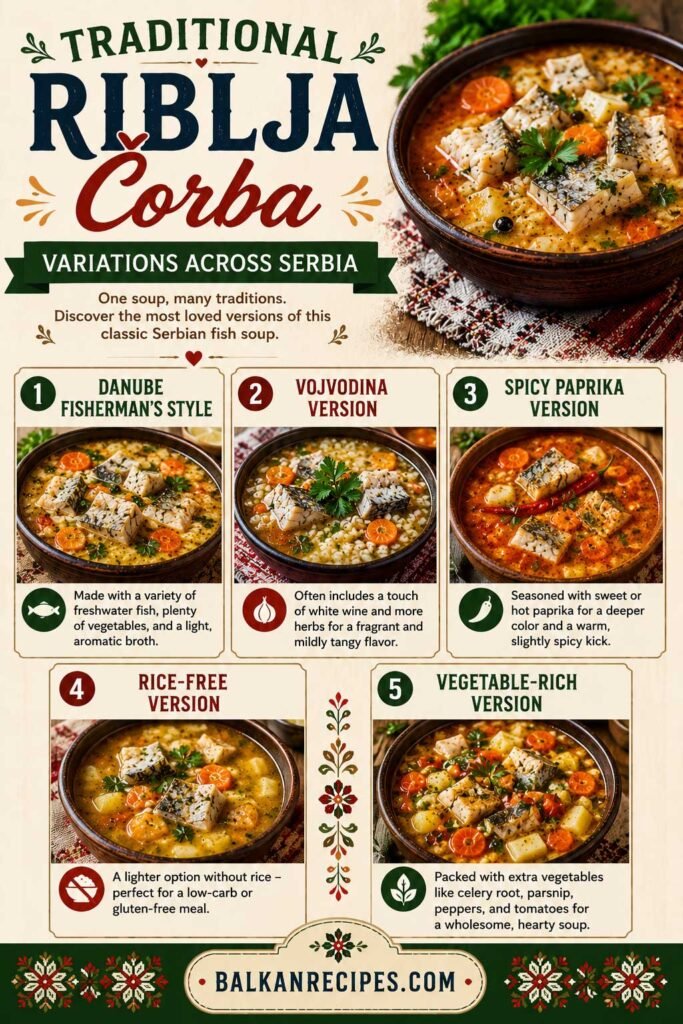
Like many traditional Serbian recipes, Riblja Čorba varies from region to region and from family to family. Local ingredients, fishing traditions, and personal preferences have led to several delicious variations of this classic fish soup.
Danube Fisherman’s Riblja Čorba
Along the Danube River, fishermen often prepare the soup using several types of freshly caught river fish. These versions are typically richer in fish flavor and may include paprika for additional color and depth.
Vojvodina Style Fish Soup
In the northern Serbian province of Vojvodina, Riblja Čorba is often prepared with carp and other local freshwater fish. The flavors tend to be mild and balanced, allowing the natural taste of the fish to remain the focus.
Spicy Fish Soup
Some regional versions include sweet paprika, hot paprika, or fresh chili peppers. These ingredients create a more robust and warming soup that is especially popular among those who enjoy a bit of heat.
Rice-Free Version
While rice is commonly added to make the soup more filling, some cooks omit it entirely. This creates a lighter broth-focused soup that highlights the fish and vegetables.
Pasta Version
In certain households, small pasta shapes replace the rice. The pasta absorbs the flavorful broth while adding extra texture and heartiness.
Vegetable-Rich Riblja Čorba
Additional vegetables such as parsnips, celeriac, potatoes, or bell peppers are sometimes included to create a more substantial meal and add layers of flavor.
Clear Broth Version
For a more refined presentation, the broth can be strained before serving. The result is a crystal-clear fish soup that retains all of its rich flavor while offering a smoother texture.
Lemon-Enhanced Version
Some cooks serve the soup with fresh lemon wedges or add a splash of lemon juice before serving. The acidity brightens the broth and complements the delicate fish flavors beautifully.
Herb-Focused Version
Fresh dill, parsley, celery leaves, or other herbs may be added depending on regional traditions and personal taste, giving the soup a fresher and more aromatic character.
Festival and Competition Versions
Fish soup cooking competitions are popular in some parts of Serbia, particularly near major rivers. These recipes often feature secret spice blends, multiple fish varieties, and carefully guarded family techniques passed down through generations.
What to Serve with Riblja Čorba
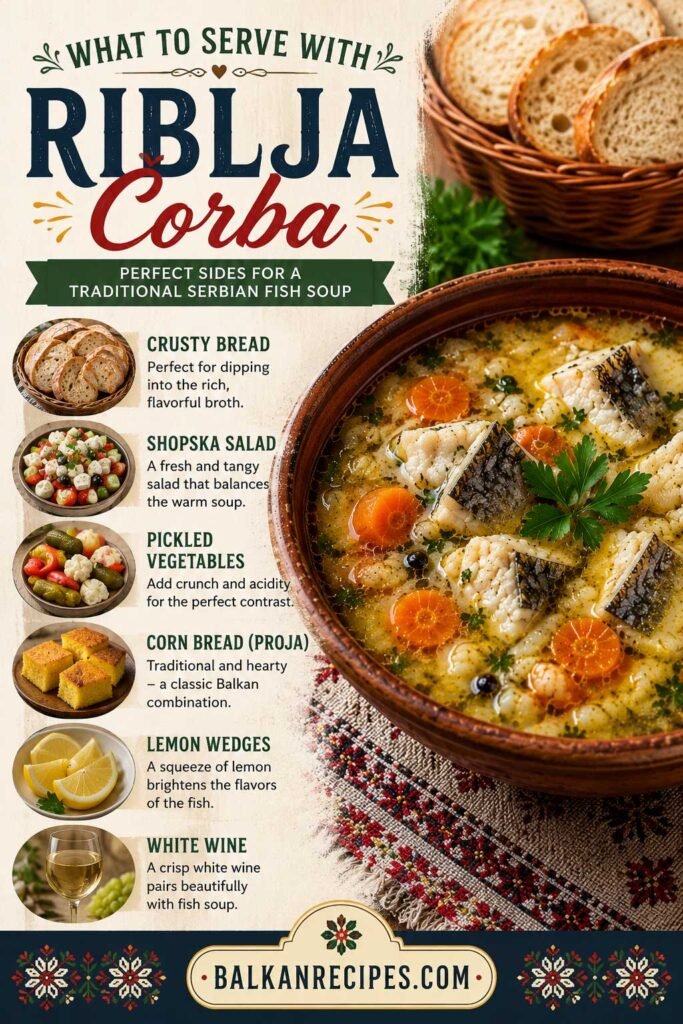
Riblja Čorba is flavorful enough to enjoy on its own, but pairing it with traditional Serbian side dishes can transform it into a complete and memorable meal. From fresh bread and salads to classic Balkan accompaniments, these serving suggestions complement the rich fish broth beautifully.
Crusty Rustic Bread
Fresh bread is perhaps the most traditional accompaniment to Riblja Čorba. A thick slice of rustic country bread is perfect for soaking up the flavorful broth and ensuring none of it goes to waste.
Homemade Proja (Serbian Cornbread)
Traditional Serbian cornbread, known as proja, pairs wonderfully with fish soup. Its slightly crumbly texture and mild flavor provide the perfect contrast to the rich and savory broth.
Try serving this soup with our homemade Proja (Serbian Cornbread) for an authentic Serbian meal.
Fresh Green Salad
A simple salad made with lettuce, cucumbers, tomatoes, and onions adds freshness and crunch, helping balance the warm and hearty nature of the soup.
Serbian Salad
A classic Serbian Salad made with tomatoes, cucumbers, peppers, onions, and a light dressing provides a refreshing side that complements the delicate fish flavors.
The fresh vegetables and light dressing in our Traditional Serbian Salad make it a perfect companion for fish-based dishes.
Shopska Salad
This popular Balkan salad combines tomatoes, cucumbers, peppers, onions, and grated white cheese. Its bright flavors and creamy topping make it an excellent match for fish soup.
For a classic Balkan pairing, serve the soup alongside a refreshing Shopska Salad.
Pickled Vegetables
Pickled peppers, cucumbers, cabbage, or mixed vegetables add acidity and crunch that balance the richness of the broth while adding a traditional Balkan touch to the meal.
Roasted or Boiled Potatoes
Simple potatoes are often served alongside fish dishes throughout Serbia. Their mild flavor pairs beautifully with the soup while making the meal more filling.
Lemon Wedges
A squeeze of fresh lemon juice brightens the broth and enhances the natural flavor of the fish. Serve lemon wedges on the side so everyone can adjust to their taste.
Fresh Herbs
Offer extra chopped parsley, dill, or celery leaves at the table for guests who enjoy additional freshness and aroma.
White Wine
A crisp dry white wine pairs exceptionally well with Riblja Čorba, complementing the delicate fish flavors without overpowering them.
Traditional Serbian Rakija
For festive occasions, some people enjoy a small glass of homemade rakija before the meal. This traditional fruit brandy has long been part of Serbian hospitality and celebrations.
Light Dessert
Finish the meal with a simple dessert such as fresh seasonal fruit, fruit preserves, baked apples, or traditional Serbian cookies. A lighter dessert allows the flavors of the fish soup to remain the highlight of the meal.
Is This Riblja Čorba Recipe Healthy?
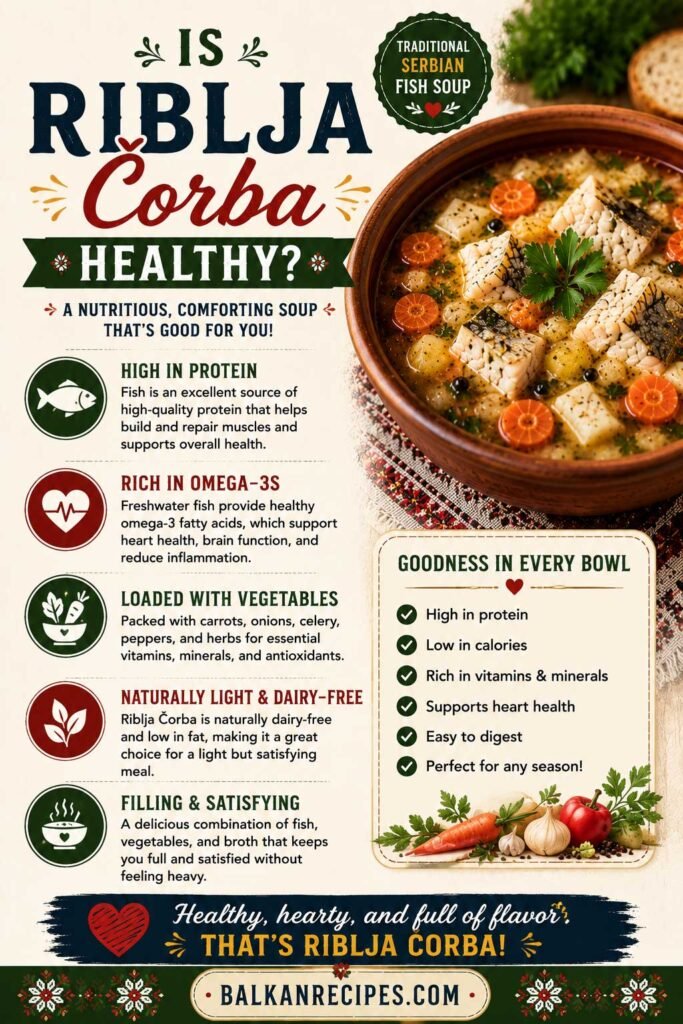
Yes, Riblja Čorba is a healthy and nutritious soup that combines lean protein, vegetables, and simple wholesome ingredients into a satisfying meal. Because it is broth-based rather than cream-based, it delivers plenty of flavor while remaining relatively light.
High in Protein
Freshwater fish is an excellent source of high-quality protein, which helps support muscle maintenance, tissue repair, and overall health. Protein also helps keep you feeling full and satisfied for longer.
Rich in Vitamins and Minerals
The fish, carrots, celery, garlic, and parsley used in Riblja Čorba provide important nutrients such as vitamin A, vitamin C, potassium, phosphorus, and various B vitamins.
Naturally Low in Saturated Fat
Unlike many creamy soups, traditional Riblja Čorba contains very little saturated fat. Most of the richness comes naturally from the fish and a small amount of olive oil.
Contains Heart-Healthy Nutrients
Many freshwater fish contain beneficial omega-3 fatty acids, which may help support heart health, brain function, and overall wellness.
Packed with Vegetables
The vegetables in the soup contribute fiber, antioxidants, and essential nutrients while adding natural flavor without excessive calories.
If you enjoy wholesome Serbian comfort foods, you may also like our Pepper and Potato Stew, another vegetable-packed Balkan favorite.
A Balanced Meal
With protein from the fish, carbohydrates from the rice, and nutrients from the vegetables, Riblja Čorba provides a well-rounded meal that is both nourishing and satisfying.
Easily Adaptable
The recipe can easily be adjusted to fit different dietary preferences. You can add extra vegetables, reduce the rice, or increase the amount of fish to meet your nutritional goals.
A Comforting Yet Light Option
One of the reasons Riblja Čorba has remained popular for generations is that it feels hearty and comforting without being overly heavy, making it an excellent choice for lunch or dinner throughout the year.
How to Store and Reheat Riblja Čorba
One of the great things about Riblja Čorba is that it stores well and often tastes even better the next day as the flavors continue to develop. With proper storage and gentle reheating, you can enjoy this traditional Serbian fish soup for several days after it is made.
Refrigerating Leftovers
Allow the soup to cool completely before transferring it to an airtight container. Store it in the refrigerator for up to 3 days.
Keeping the soup properly sealed helps preserve freshness and prevents it from absorbing odors from other foods in the refrigerator.
Freezing Riblja Čorba
For longer storage, Riblja Čorba can be frozen. Transfer the cooled soup to freezer-safe containers, leaving a little room at the top for expansion as it freezes.
For the best flavor and texture, use frozen soup within 2 months.
Thawing
When ready to serve, move the frozen soup to the refrigerator and allow it to thaw overnight. Slow thawing helps maintain the texture of both the fish and the broth.
Reheating on the Stovetop
Pour the soup into a saucepan and heat gently over medium-low heat until warmed through.
Stir occasionally and avoid bringing the soup to a vigorous boil, as this can cause the fish to break apart and may make the broth cloudy.
Reheating in the Microwave
Place an individual portion in a microwave-safe bowl and cover loosely.
Heat in short intervals, stirring between each interval, until the soup is thoroughly heated.
Refresh Before Serving
A sprinkle of freshly chopped parsley or a squeeze of lemon juice can help revive the flavors after reheating and make the soup taste freshly prepared.
Storage Tip
If you plan to prepare the soup ahead of time, consider storing the broth and rice separately. Rice continues to absorb liquid during storage, which can make the soup thicker over time. Keeping them separate helps maintain the ideal consistency when reheating.
Make-Ahead Tip
Riblja Čorba is an excellent make-ahead dish for family gatherings and special occasions. Many cooks find that allowing the soup to rest overnight enhances the overall flavor, making it even more delicious the following day.
Frequently Asked Questions
What does Riblja Čorba mean?
Riblja Čorba translates to “fish soup” in Serbian. It is a traditional soup made with freshwater fish, vegetables, herbs, and seasonings, and is considered one of Serbia’s most popular fish dishes.
What fish is best for Riblja Čorba?
Traditional recipes use freshwater fish such as carp, catfish, pike, perch, zander, or bream. Many cooks prefer using a combination of several fish varieties to create a richer and more flavorful broth.
Can I use frozen fish?
Yes. While fresh fish provides the best flavor, high-quality frozen fish can be used successfully. Be sure to thaw it completely before cooking.
Is Riblja Čorba spicy?
Most traditional versions are mild and focus on the natural flavors of the fish and vegetables. Some regional variations include sweet or hot paprika for additional warmth and spice.
Do I have to strain the soup?
No. Some cooks prefer a rustic soup with fish and vegetables left in the broth, while others strain the liquid for a clearer and smoother presentation. Both methods are traditional.
Can I make Riblja Čorba without rice?
Absolutely. Rice is commonly added to make the soup more filling, but it can be omitted entirely or replaced with small pasta or potatoes.
How long does Riblja Čorba last in the refrigerator?
Stored in an airtight container, the soup will keep for up to 3 days in the refrigerator.
Can I freeze Serbian fish soup?
Yes. Riblja Čorba freezes well for up to 2 months. For the best texture, thaw it overnight in the refrigerator before reheating.
What should I serve with Riblja Čorba?
Traditional accompaniments include crusty bread, Proja (Serbian cornbread), Serbian Salad, Shopska Salad, pickled vegetables, and lemon wedges.
Is Riblja Čorba healthy?
Yes. Riblja Čorba is rich in protein, vitamins, and minerals from the fish and vegetables. It is relatively low in calories while remaining filling and nutritious, making it a wholesome meal option.
What is the difference between Riblja Čorba and Fish Paprikash?
Riblja Čorba is typically a lighter, broth-based fish soup, while Fish Paprikash contains more paprika and often has a thicker, richer consistency.
Can I make Riblja Čorba ahead of time?
Yes. In fact, many people believe the soup tastes even better the next day after the flavors have had time to develop and blend together.
A Taste of Serbia’s River Traditions
Riblja Čorba is much more than a simple fish soup—it is a cherished part of Serbia’s culinary heritage and a reflection of the country’s long connection to its rivers, lakes, and fishing communities. Made with fresh fish, vegetables, herbs, and a flavorful homemade broth, this traditional dish has been warming family tables for generations.
One of the reasons Riblja Čorba remains so popular is its simplicity. A handful of wholesome ingredients come together to create a soup that is both nourishing and deeply satisfying. Whether prepared with a single type of fish or a combination of freshwater varieties, each bowl offers rich flavor and authentic Serbian character.
Its versatility also makes it a favorite among home cooks. The recipe can be adapted with different fish, vegetables, and seasonings while still preserving the traditional essence that has made it a staple of Serbian cuisine for centuries.
Whether you’re exploring Balkan cooking for the first time or looking to recreate a taste of Serbia at home, this authentic Riblja Čorba recipe is a wonderful place to start. Serve it with fresh bread, gather family and friends around the table, and enjoy a comforting dish that celebrates the rich traditions of Serbian river cuisine.
Continue exploring authentic Balkan cooking with recipes such as Serbian Bean Soup, Traditional Serbian Salad, and Gibanica.
Did You Make This Riblja Čorba Recipe?
I’d love to hear how your Riblja Čorba turned out! Did you use a single type of fish or a traditional mix of freshwater fish? Did you add any family touches or regional variations?
Leave a comment below and share your experience. Your feedback helps other readers and inspires fellow home cooks to try this traditional Serbian fish soup.
Don’t forget to follow us for more authentic Balkan recipes, cooking tips, and traditional dishes from across the region. If you enjoyed this recipe, please share it with your friends and family—sharing is caring!

