


Balkan Bread Guide
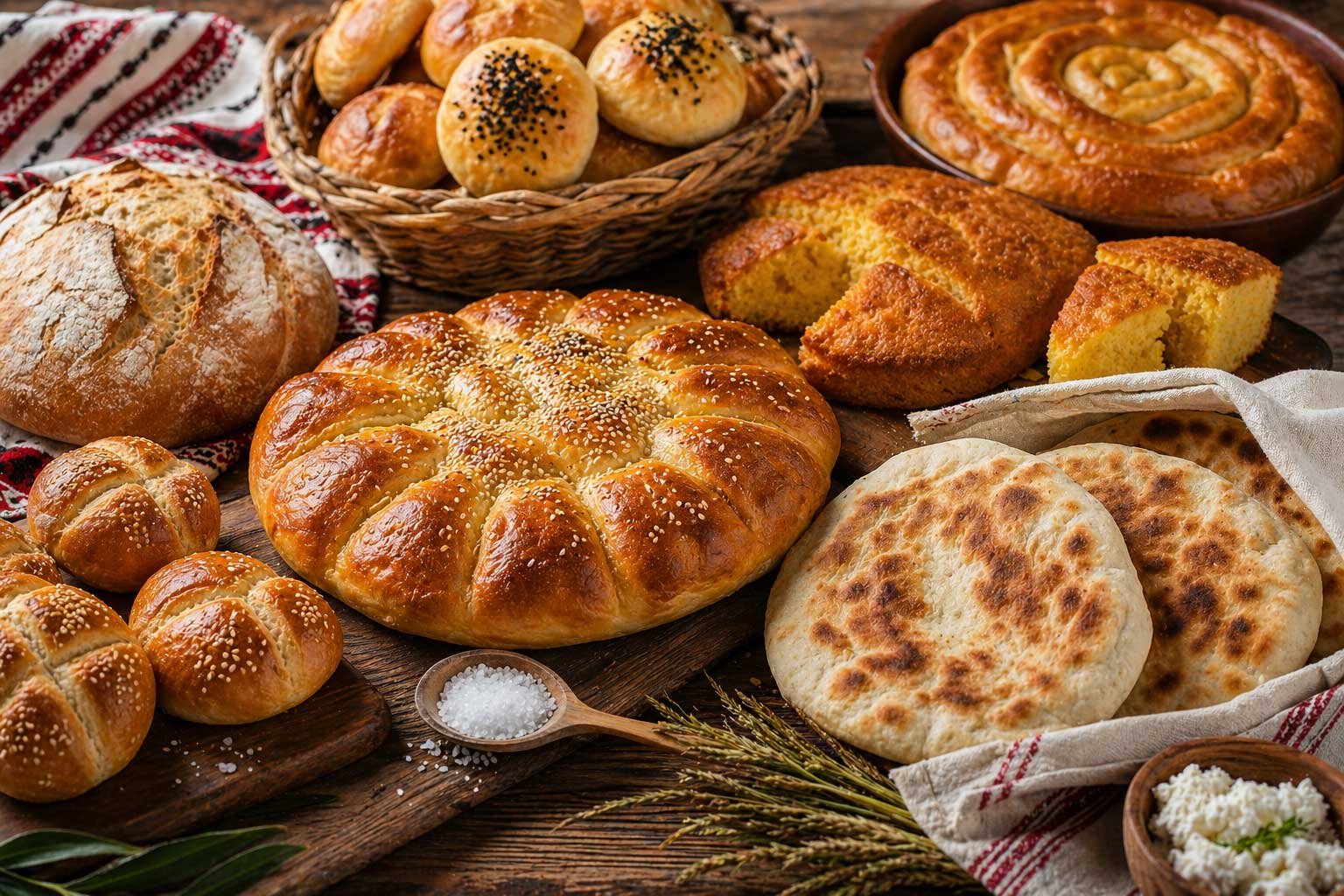
This Balkan Bread Guide explores the essential role of traditional Balkan bread in Balkan cuisine, where it serves as the foundation of nearly every meal. Across countries like Serbia, Bulgaria, Bosnia, Croatia, and Slovenia, bread is more than just a side—it’s a daily staple, a symbol of hospitality, and a key part of cultural identity.
From the soft, golden crust of pogača to the airy pockets of lepinja and the rustic simplicity of corn-based loaves, Balkan breads are defined by their simple ingredients, time-tested techniques, and deep cultural roots. These are foods shaped by generations of home cooking, not industrial production.
👉 In many Balkan households, a meal without bread simply isn’t complete.
In this guide, you’ll discover the most popular Balkan breads, their origins, regional differences, and how they’re traditionally served—giving you a complete understanding of one of the most important elements of Balkan food culture.
Bread plays a central role in traditional meals—something you’ll see across the region in our Balkan Cuisine: Complete Food Guide.
This Balkan Bread Guide also breaks down how different regions shape their bread traditions.
What Is Balkan Bread?
Balkan bread refers to a wide range of traditional breads made across Southeast Europe, including countries like Serbia, Bulgaria, Bosnia, Croatia, and Slovenia. These breads are typically simple in ingredients—flour, water, salt, and yeast—but rich in history, technique, and cultural meaning.
Unlike industrial breads, Balkan breads are often handmade, minimally processed, and designed to complement meals rather than dominate them. They are baked fresh daily and served with almost everything—from soups and stews to grilled meats and vegetable dishes.
This Balkan Bread Guide helps you understand how these breads are used across different countries and meals.
Core Characteristics of Balkan Bread
Balkan breads share a consistent philosophy: simple ingredients, traditional methods, and a clear purpose within the meal. While styles vary across regions, most breads are designed to be soft enough for tearing yet sturdy enough for dipping and pairing.
- Made with basic ingredients like flour, water, and yeast
- Balanced texture → soft inside, lightly crisp outside
- Designed for pairing with dishes, not eating alone
This approach is what gives Balkan bread its authenticity and everyday practicality.
As this Balkan Bread Guide shows, even the simplest ingredients can create a wide variety of textures and styles.
More Than Just Food
In the Balkans, bread carries cultural meaning far beyond nutrition. It is present at nearly every meal, shared between family and guests, and often used in religious rituals and celebrations.
Offering bread is a traditional gesture of hospitality, symbolizing respect and connection. This cultural role is one of the reasons bread remains central to everyday life across the region.
This Balkan Bread Guide also highlights the cultural importance of bread beyond just nutrition.
How It Fits Into Meals
Balkan bread plays a practical role at the table. It’s used to absorb sauces from stews, complement dairy like yogurt and cheese, and support meat-based dishes without overpowering them.
Rather than standing alone, it works as a functional part of the meal—enhancing texture, balancing flavors, and making each dish more complete.
👉 This practical role is what makes Balkan bread so essential to everyday meals.
Throughout this Balkan Bread Guide, you’ll see how bread supports and enhances every part of the meal.
Why Bread Is the Heart of Balkan Cuisine
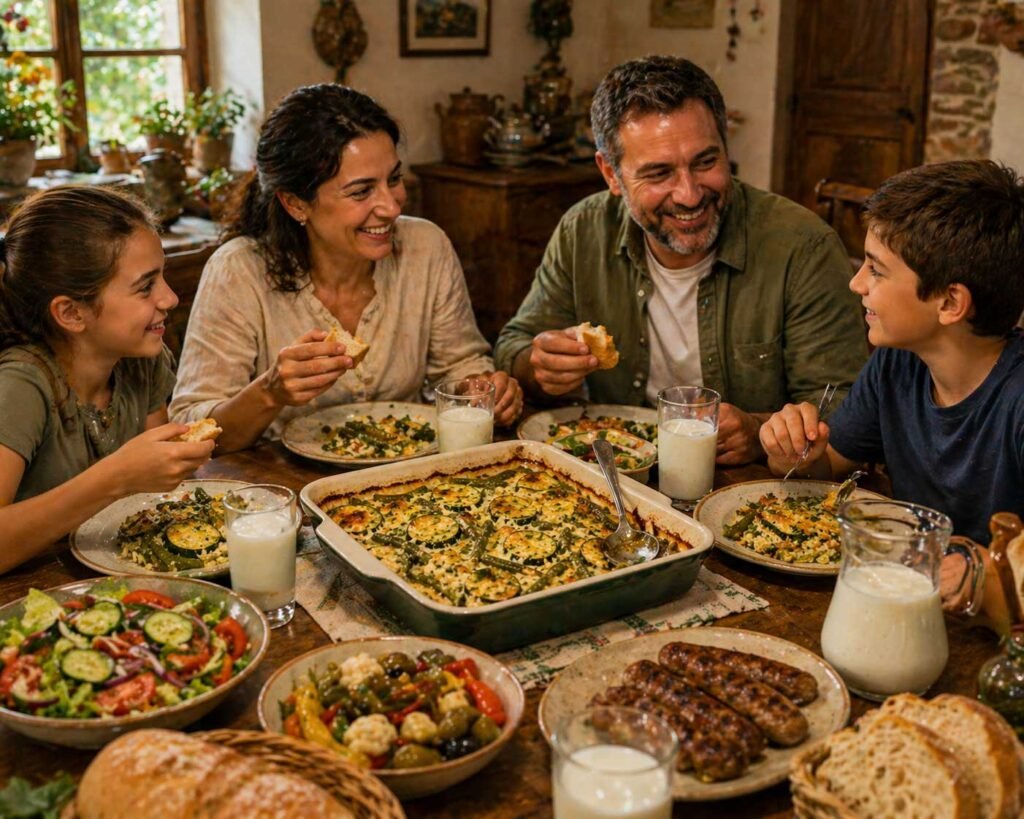
Bread in the Balkans is not just food—it’s tradition, culture, and identity.
Across countries like Serbia, Bulgaria, Bosnia and Herzegovina, Croatia, and Slovenia, bread plays a central role in everyday life and special occasions alike.
A Daily Essential
Bread is present at nearly every meal, adding structure, balance, and familiarity to the table. Even when it’s not the main component, it remains on the table as a constant companion to other dishes. Its role is to complete the meal, adding texture, balance, and familiarity.
👉 For many families, bread is a constant presence at the table.
Symbol of Hospitality
In Balkan culture, offering bread is a sign of respect and welcome.
- Guests are often greeted with bread and salt
- Sharing bread represents trust and connection
- Refusing bread can even be seen as impolite in traditional settings
👉 Bread is not just eaten—it’s shared as a gesture of community.
Bread in Rituals & Celebrations
Bread holds a sacred and symbolic role in many traditions:
- Religious holidays
- Weddings
- Family gatherings
- Cultural ceremonies
Bread is deeply tied to rituals and hospitality, as explored in Bulgarian Traditions and Customs.
Special breads are often:
- Decorated
- Shaped symbolically
- Blessed or shared ceremonially
👉 These traditions go back centuries, blending pagan, Christian, and rural influences.
A Reflection of Balkan Life
Bread represents the core values of the region:
- Simplicity → basic ingredients, timeless methods
- Sustainability → nothing wasted
- Family-centered living → shared meals and traditions
👉 It’s not about luxury—it’s about nourishment, connection, and continuity.
👉 Why This Matters for Your Cooking
Understanding how bread is used in Balkan cuisine changes how you approach meals. Instead of treating it as a simple side, it becomes a tool that enhances flavor, improves balance, and connects the dish to its cultural roots.
What Makes Traditional Balkan Bread Unique
Balkan bread stands apart from modern industrial loaves because it’s rooted in tradition, simplicity, and real ingredients. Rather than being designed for long shelf life, it’s made to be fresh, flavorful, and used alongside meals.
Most recipes rely on just a few core ingredients—flour, water, salt, and yeast—but the results vary depending on technique and region. The textures typically balance a soft interior with a lightly crisp crust, making the bread practical and versatile at the table.
👉 In Balkan cuisine, bread isn’t the main focus—it’s the element that brings the entire meal together.
How It Differs from Industrial Bread
Unlike mass-produced Western bread, Balkan breads are:
- Less processed → minimal additives, closer to natural ingredients
- Often handmade → shaped, kneaded, and baked using traditional methods
- Based on simple ingredients → flour, water, salt, yeast (or natural starter)
- Rich in tradition → recipes passed down through generations
👉 This results in bread that feels more authentic and nourishing, not artificial.
Traditional fermentation techniques are a key part of Balkan food culture, similar to those used in Bulgarian Yogurt: History and Health Benefits.
Key Characteristics
Balkan breads are defined by their balance of simplicity and function. While recipes vary across regions, most breads share a similar structure—soft enough to tear by hand, yet sturdy enough to absorb sauces and pair with meals.
Instead of being overly light or processed, they tend to have a slightly dense interior and a lightly crisp crust, making them ideal for everyday use at the table.
- Made with simple ingredients like flour, water, and yeast
- Balanced texture → soft inside, lightly crisp outside
- Designed to complement meals rather than replace them
This approach is what gives Balkan bread its authenticity and versatility.
Bread as a Supporting Hero
👉 Here’s the key difference:
In many Western cuisines, bread can be a standalone product (sandwich bread, toast, etc.).
In the Balkans:
- Bread is used to complete the meal
- It soaks sauces, balances flavors, and adds texture
- It’s always present—but rarely the main focus
Why This Matters
This philosophy is what makes Balkan cuisine so balanced:
👉 In Balkan cuisine, bread isn’t the main focus—it’s the element that brings the entire meal together.
And that’s exactly why dishes like vegetable bakes, soups, and grilled meats feel incomplete without it.
Most Popular Balkan Breads (By Type)
Pogača (Traditional Round Bread)
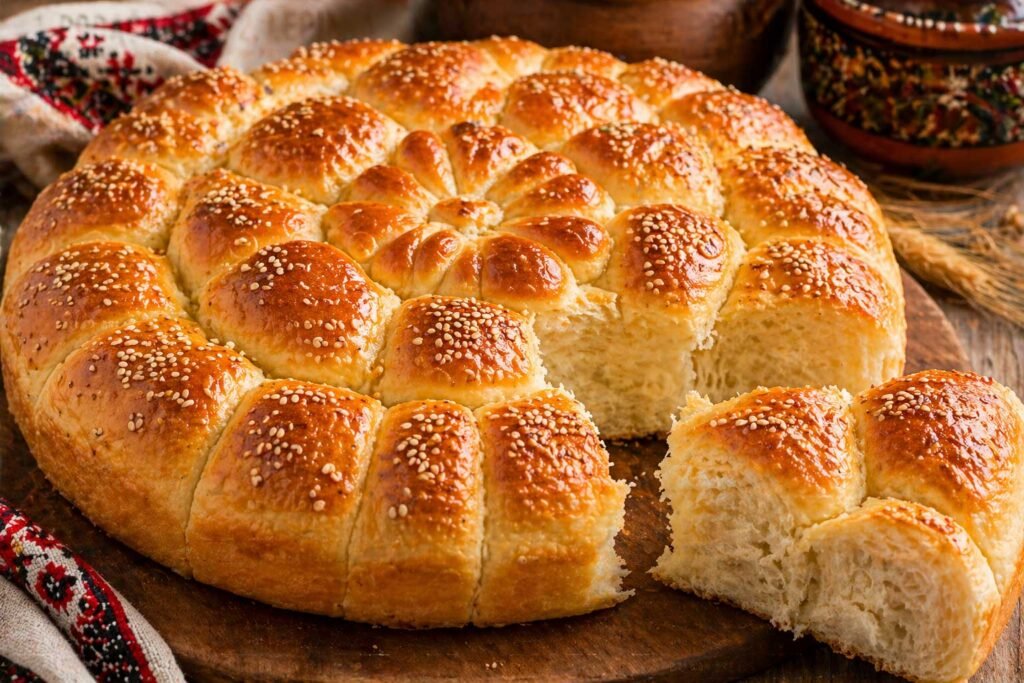
Pogača is one of the most iconic breads across the Balkans, especially in Serbia, Bulgaria, and Bosnia. It’s deeply tied to family traditions, celebrations, and hospitality, often served warm and meant to be torn apart and shared.
- Soft, fluffy interior
- Slightly crispy golden crust
- Often round and decorative
Unlike everyday bread, pogača carries symbolic meaning—it’s present at weddings, holidays, and important gatherings. Its soft texture makes it perfect for pairing with almost any dish, from stews to cheeses.
Pogača is one of the most recognizable forms of traditional Balkan bread, especially in Serbia, Bulgaria, and Bosnia.
👉 Learn how to make this traditional bread step-by-step in our Pogača Recipe.
This Balkan Bread Guide includes the most common breads you’ll encounter across the region.
Lepinja
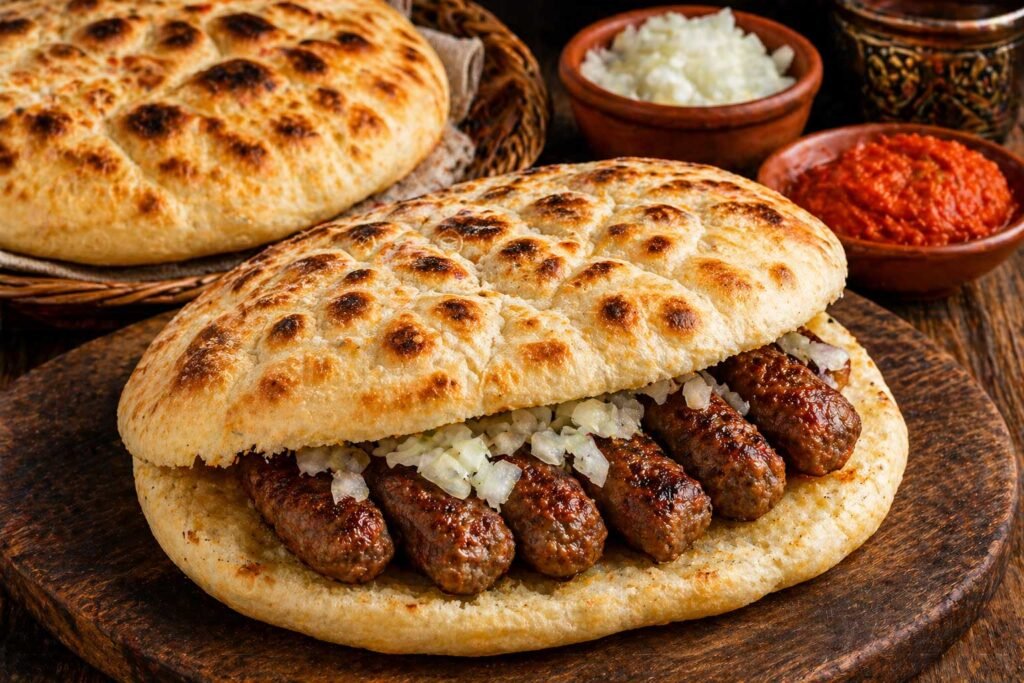
Lepinja is best known as the bread served with ćevapi, making it a staple of Balkan street food. Its structure allows it to absorb juices from grilled meats while still holding shape.
- Airy and chewy texture
- Slightly crispy outside
- Soft inside with pockets
👉 These breads are often served with grilled meats—see Ćevapi Recipe.
This bread is typically baked at very high temperatures, which gives it its signature puff and slightly charred exterior. It’s one of the most versatile Balkan breads, perfect for sandwiches or dipping.
👉 Try it at home with our easy Lepinja Bread Recipe, perfect for Balkan sandwiches..
Somun
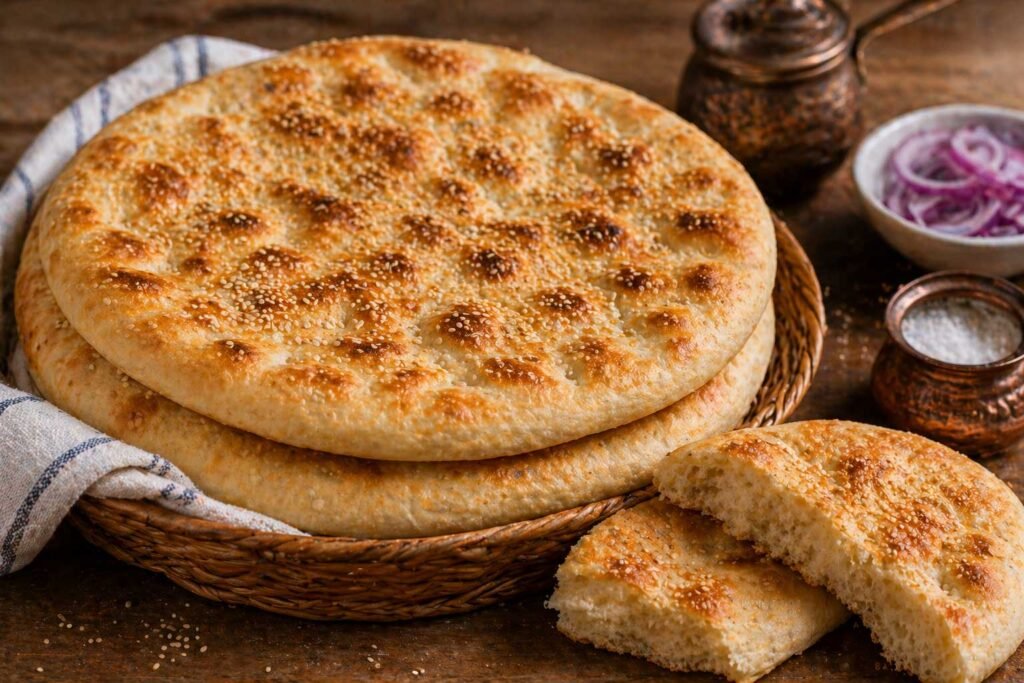
Somun is closely related to lepinja but is typically thinner and softer. It has strong roots in Ottoman baking traditions and is especially popular during Ramadan.
- Thin and soft
- Often topped with sesame seeds
- Light and flexible
Its delicate texture makes it ideal for wrapping or serving alongside grilled meats and soups. It’s designed to complement meals without overpowering them.
👉 Discover the authentic street-style version in our Somun Bread Recipe.
Proja (Cornbread)
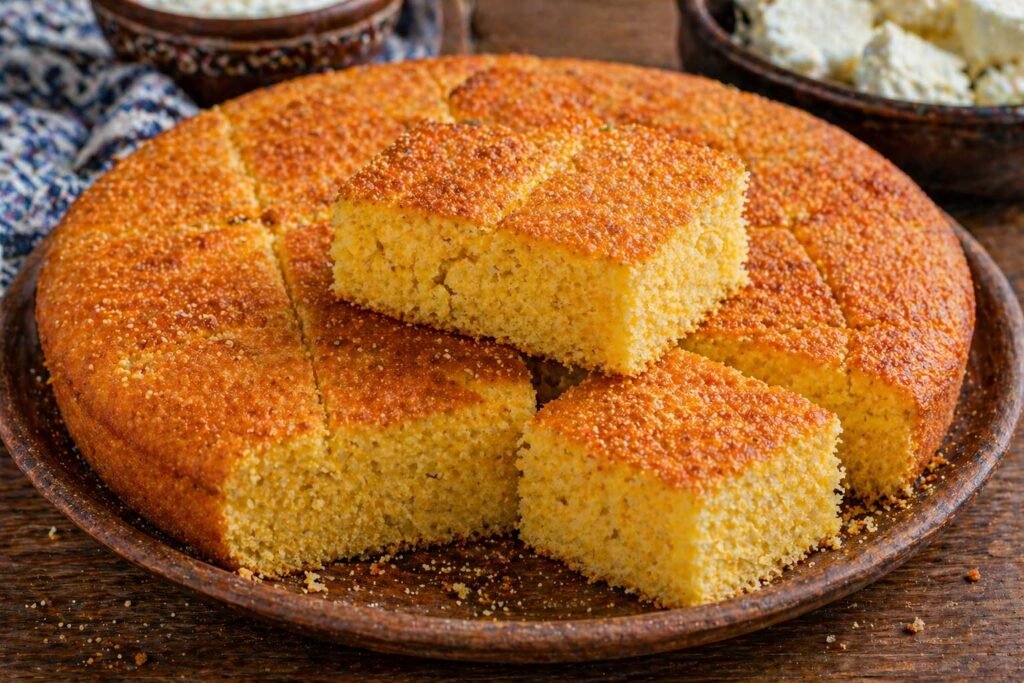
Proja is a traditional Balkan cornbread that originated as a peasant dish made from simple, affordable ingredients. It’s less airy than wheat breads but incredibly satisfying.
- Dense and crumbly
- Made from cornmeal
- Rustic texture
👉 Often paired with rustic dishes like Cicvara Recipe.
It’s often served with yogurt or cheese, creating a balanced meal that is both filling and nutritious. Today, proja remains a beloved comfort food across the region.
👉 See how to make this rustic favorite in our Proja Cornbread Recipe.
Kajzerica
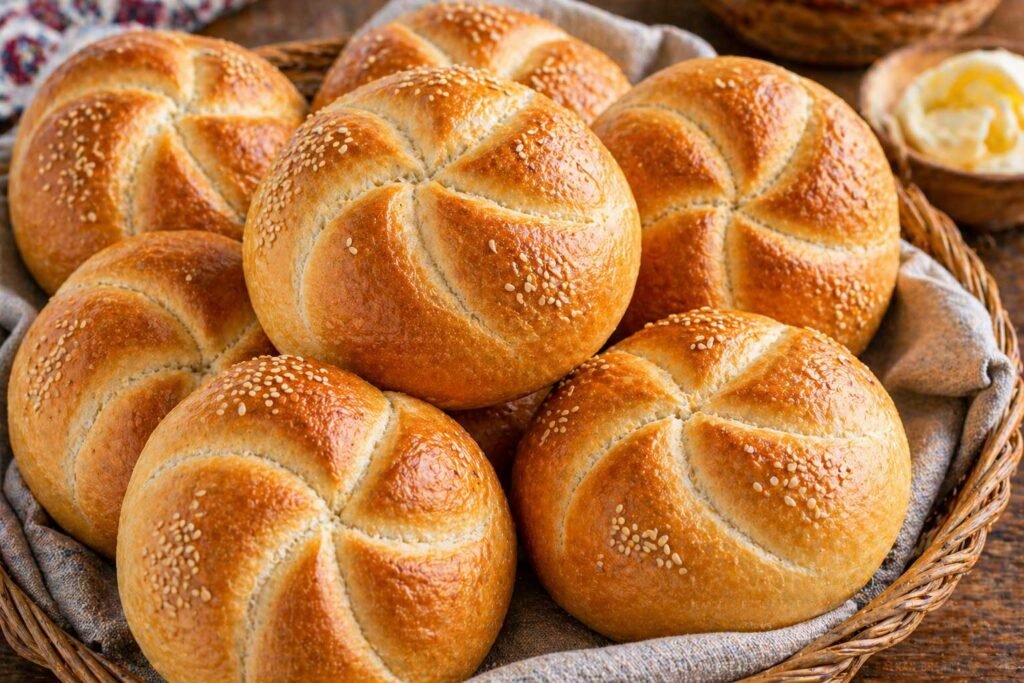
Kajzerica (similar to Kaiser rolls) is commonly found in bakeries across the Balkans. It’s perfect for breakfast or sandwiches due to its balanced texture.
- Light and airy
- Crispy outer crust
- Soft interior
These rolls are influenced by Central European baking traditions and are widely used in modern Balkan cuisine.
👉 Bake your own soft rolls with our Kajzerica Bread Recipe.
Pide
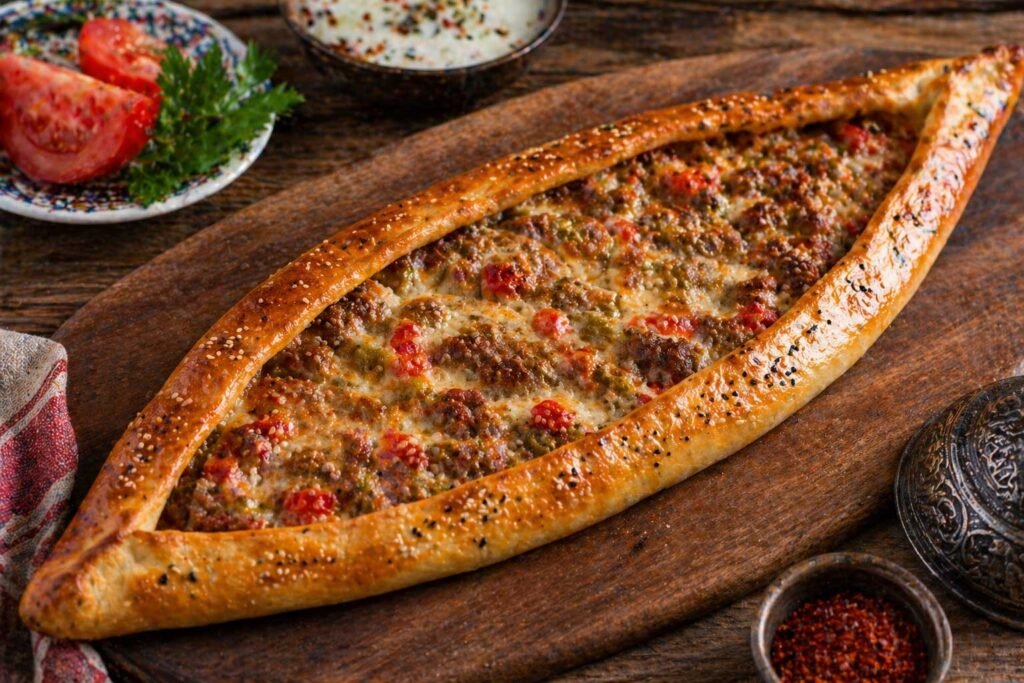
Pide is a Turkish bread that had a major influence on Balkan baking during the Ottoman period. It’s often topped or served alongside various dishes.
- Slightly chewy
- Boat-shaped or flat
- Golden crust
Its chewy texture and rich flavor make it a standout bread that bridges Balkan and Middle Eastern cuisines.
👉 Learn how to make this oven-baked flatbread in our Turkish Pide Bread Recipe.
Simit
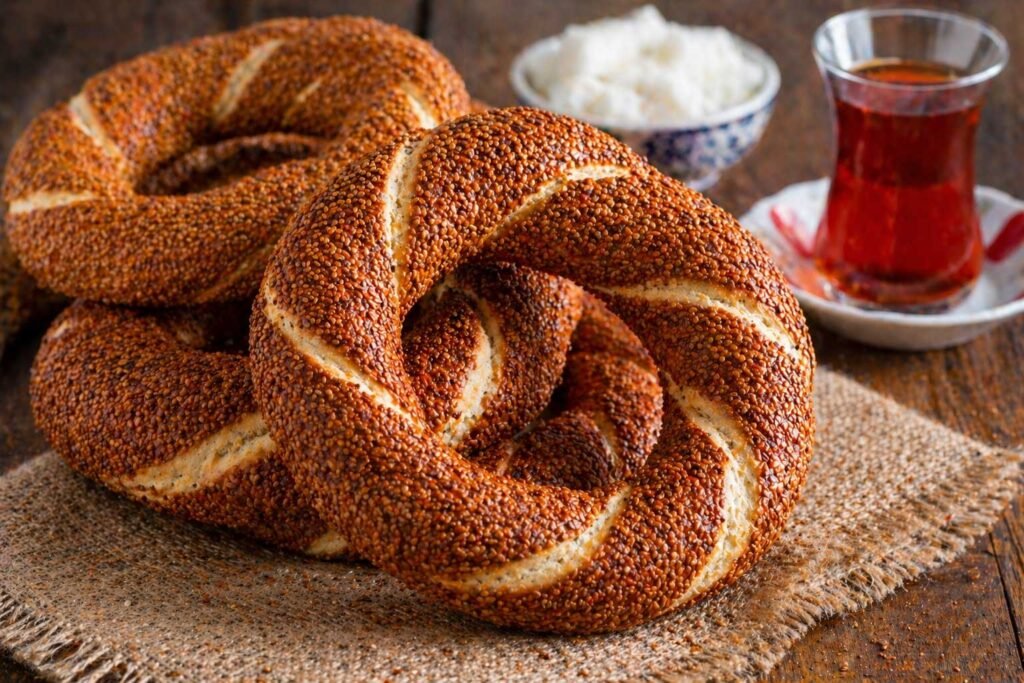
Simit is a popular street food bread known for its distinctive ring shape and sesame coating. It’s crunchy on the outside and soft inside.
- Crispy exterior
- Sesame-coated
- Slightly chewy inside
Often eaten for breakfast or as a snack, simit represents the strong connection between Balkan and Turkish food traditions.
👉 Try this iconic sesame bread with our Turkish Simit Recipe.
Pita Bread
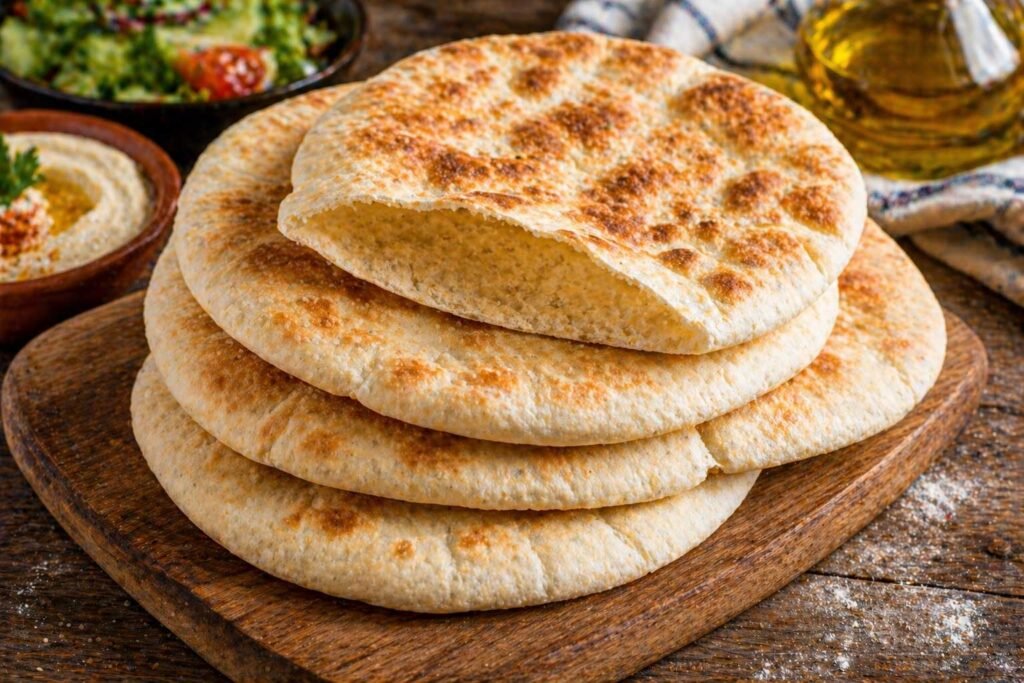
Pita is widely used across Greece and the Balkans. Its ability to form a pocket makes it ideal for wraps and sandwiches.
- Soft and flexible
- Pocket-style bread
- Light texture
👉 Similar dough techniques are used in Burek Recipe.
It reflects Mediterranean influence and is often paired with olive oil, herbs, and grilled dishes.
👉 Make soft, fluffy flatbreads at home with our Greek Pita Bread Recipe.
Cozonac
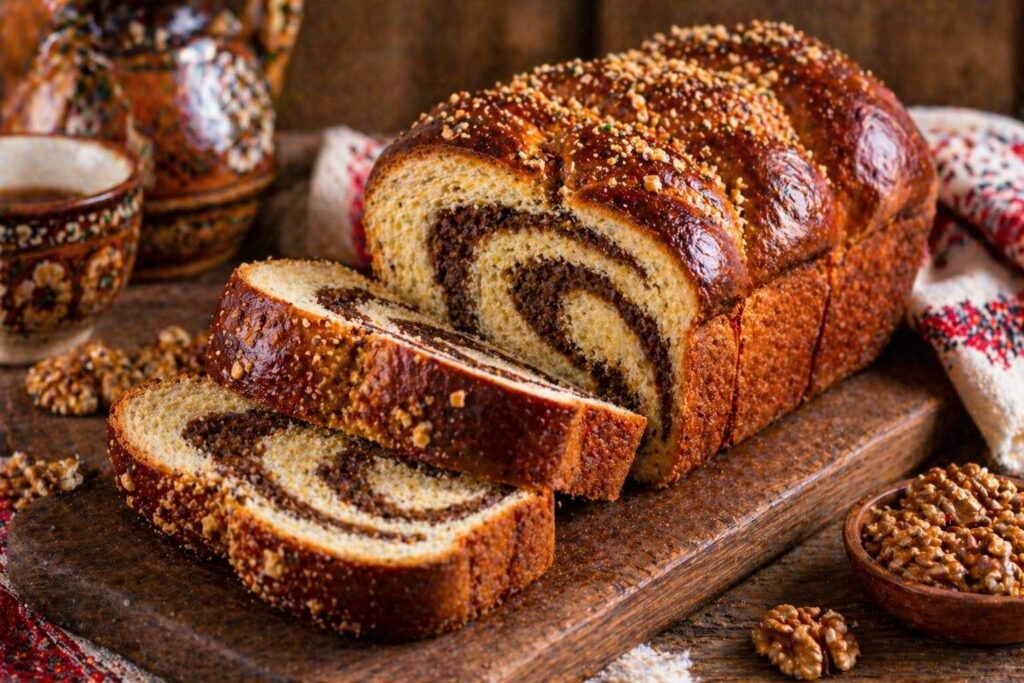
Cozonac is a traditional Romanian bread typically prepared during holidays and celebrations. Unlike savory Balkan breads, it leans toward dessert.
- Sweet and rich
- Soft, fluffy texture
- Often filled with nuts or cocoa
Its rich ingredients and festive presentation make it a centerpiece for special occasions.
👉 Bake this festive favorite with our Cozonac Sweet Bread Recipe.
Rustic Balkan Loaf (Country Bread)
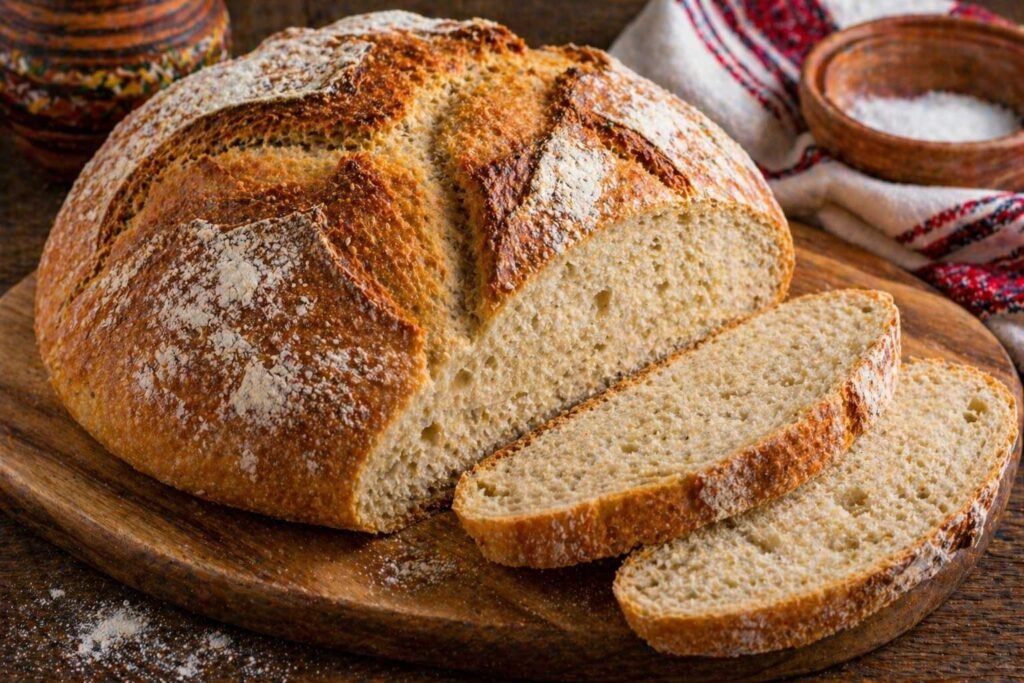
This rustic Balkan loaf bread represents traditional rural baking across the Balkans. It’s usually made with simple ingredients and long fermentation.
- Thick crust
- Dense interior
- Deep flavor
Perfect for soups, stews, and everyday meals, it embodies the true essence of Balkan bread culture.
👉 Master the basics with our Rustic Balkan Bread Recipe.
This Balkan bread guide highlights how traditional techniques and regional influences shape the breads found across the region.
Bread Types by Texture & Use
Understanding how each bread feels and functions helps you pair it correctly and cook more authentically.
Balkan Bread Comparison Table
| Country | Bread Style | Texture | Key Breads | Influence | Best With |
|---|---|---|---|---|---|
| Turkey | Flatbreads, sesame breads | Soft, chewy, slightly crisp | Pide, Simit | Ottoman | Grilled meats, dips |
| Greece | Flatbreads + rustic loaves | Light, airy, slightly crisp | Pita | Mediterranean | Gyros, salads |
| Romania | Sweet + rustic loaves | Soft, rich, dense | Cozonac | Eastern European | Coffee, desserts |
| Serbia | Round breads | Soft, fluffy | Pogača | Balkan | Family meals |
| Bosnia | Flatbread | Airy, soft | Somun, Lepinja | Ottoman | Ćevapi |
| Bulgaria | Mixed breads | Balanced | Flatbreads, loaves | Balkan | Yogurt, cheese |
| Croatia | Artisan loaves | Crispy crust, soft inside | Various bakery breads | Mediterranean + Central EU | Seafood, olive oil |
| Slovenia | Rustic loaves | Dense, structured | Traditional breads | Alpine + Central EU | Soups, vegetables |
👉 Each bread is designed for a specific role at the table, not just for eating alone.
Traditional Baking Methods in the Balkans
Balkan bread isn’t just about ingredients—it’s about how it’s made. Traditional baking methods are what give these breads their distinct texture, flavor, and authenticity.
Wood-Fired Oven Baking (The Gold Standard)
For centuries, bread in the Balkans was baked in wood-fired ovens.
Why it matters:
- Extremely high heat → creates crispy crust
- Even heat distribution → perfect interior texture
- Slight smoky flavor → unmatched authenticity
👉 This is how breads like Pogača and rustic loaves were traditionally made.
Hand-Kneading Dough
Before machines, dough was always kneaded by hand.
Benefits:
- Better control of dough texture
- Strong gluten development
- More “alive” dough structure
👉 Hand-kneading creates bread that feels more organic and natural.
In this Balkan Bread Guide, traditional techniques play a key role in achieving authentic flavor and texture.
Slow Fermentation (Secret to Flavor)
| Benefit | Why It Matters |
|---|---|
| Deeper Flavor | Long fermentation develops complex taste |
| Better Digestibility | Breaks down gluten and improves gut comfort |
| Improved Texture | Creates a more open, airy crumb |
👉 This is why traditional bread tastes richer than fast-made modern bread.
Steam Baking Technique
| Step | Effect |
|---|---|
| Moist surface early | Allows better expansion |
| Delayed crust formation | Improves oven spring |
| High heat finish | Creates crispy, glossy crust |
👉 Common in breads like lepinja and somun, where a light, airy texture is essential.
Clay & Stone Ovens
Traditional Balkan bread was often baked in ovens made from clay, stone, or brick. These materials retain heat extremely well, creating a stable and natural baking environment.
The result is consistent cooking, a well-developed crust, and a slightly smoky flavor that’s difficult to replicate with modern appliances.
👉 These ovens are still used in rural areas today, especially for traditional bread baking..
Modern Adaptations (Home Kitchens)
| Tool | Purpose |
|---|---|
| Dutch Oven | Mimics wood-fired oven conditions |
| Baking Stone | Improves crust and heat distribution |
| Steam Tray | Adds humidity for better crust |
👉 Tools like a cast iron Dutch oven can dramatically improve your bread results at home.
Common Mistake (Important)
👉 Modern baking shortcuts (fast yeast, no fermentation, low heat) lead to:
- Bland flavor
- Poor texture
- Dense bread
Affiliate Disclosure: Some links below are affiliate links. We may earn a commission at no extra cost to you.
Essential Baking Tools
Choosing the right tools can dramatically improve your bread quality. Here are the best options for consistent, bakery-style results at home:
👉 These tools make the biggest difference in achieving bakery-quality bread at home.
| Product | Why It’s Great | Rating | Check Price |
|---|---|---|---|
| Lodge Cast Iron Dutch Oven | Creates perfect crust | ⭐⭐⭐⭐⭐ | 👉 Check Price |
| Banneton Proofing Basket | Professional shaping | ⭐⭐⭐⭐ | 👉 Check Price |
| Dough Scraper Tool | Easy handling | ⭐⭐⭐⭐ | 👉 Check Price |
Traditional Baking Methods
The health value depends on the type of bread:
Healthier Options
- Whole wheat breads
- Corn-based breads like Proja
- Naturally fermented breads
Less Healthy Options
- White refined flour breads
- Industrial bread with additives
👉 Traditional Balkan breads are generally:
- Less processed
- More natural
- Better for digestion
Traditional Balkan bread is known for its simple ingredients, natural fermentation, and role in completing meals across the region.
Modern vs Traditional Bread
| Feature | Traditional | Modern |
|---|---|---|
| Ingredients | Simple | Processed |
| Fermentation | Natural | Fast |
| Flavor | Deep | Mild |
| Nutrition | Higher | Lower |
👉 The takeaway: Traditional Balkan bread is not just better tasting—it’s closer to real food.
History Timeline of Balkan Bread
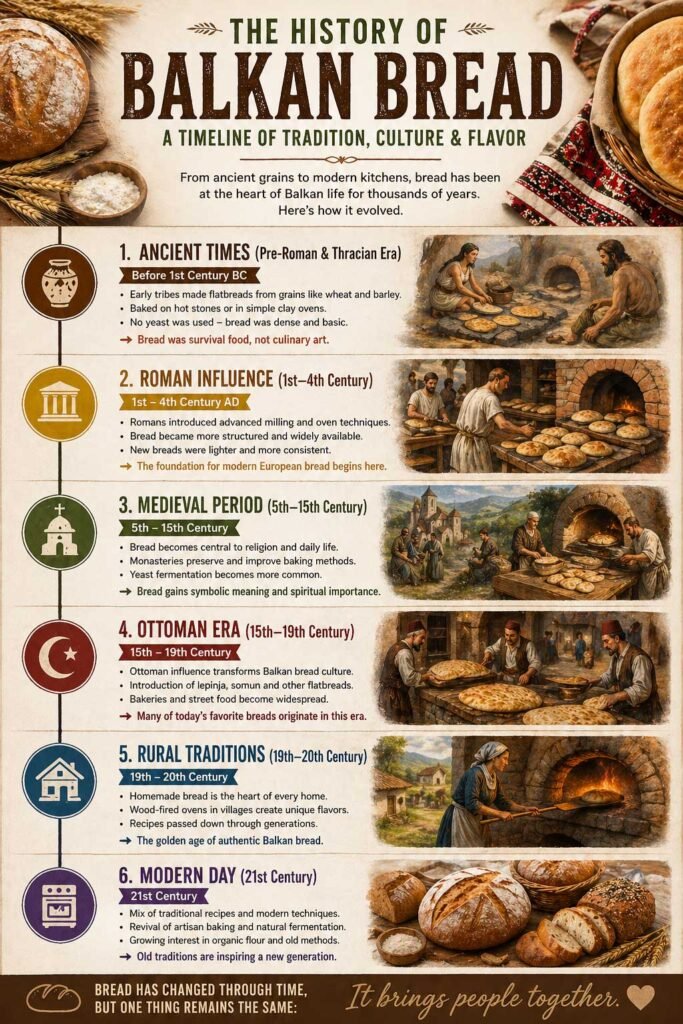
Balkan bread has evolved over thousands of years, shaped by migrations, empires, and local traditions. Understanding this timeline adds depth to the cuisine and builds serious authority.
Ancient Times (Pre-Roman & Thracian Era)
- Early Balkan tribes made flatbreads from grains like wheat and barley
- Bread was baked on hot stones or primitive ovens
- No yeast → dense, simple bread
👉 Bread was survival food, not culinary art.
Roman Influence (1st–4th Century)
- Introduction of structured baking techniques
- Use of early ovens and improved milling
- Bread became more refined and consistent
👉 Foundation for modern European bread begins here.
Medieval Period (5th–15th Century)
- Bread becomes central to religion and daily life
- Monasteries develop baking methods
- Yeast fermentation becomes more common
👉 Bread gains symbolic meaning, not just nutritional value.
Ottoman Era (15th–19th Century)
- Massive influence on Balkan bread culture
- Introduction of:
- Somun
- Lepinja
- Expansion of bakery culture and street food
👉 This is where many modern Balkan breads originate.
Rural Traditions (19th–20th Century)
- Homemade bread dominates
- Wood-fired ovens in villages
- Recipes passed down through generations
👉 This is the “golden age” of authentic Balkan bread.
Modern Day
- Mix of traditional + industrial bread
- Revival of artisan baking
- Increased interest in:
- Sourdough
- Organic flour
- Traditional methods
👉 Old traditions are becoming popular again globally.
Regional Differences Across Balkan Countries
Although all Balkan breads share a foundation of simple ingredients and traditional techniques, each country has developed its own distinct styles based on history, climate, and cultural influence. The result is a diverse bread landscape where texture, flavor, and baking methods vary from region to region.
Each Balkan country has its own bread identity shaped by geography, history, and culture.
Quick Comparison by Country
| Country | Popular Breads | Characteristics |
|---|---|---|
| Serbia | Pogača, Lepinja | Soft, fluffy, often served with meats |
| Bosnia | Somun | Thin, airy, perfect for street food |
| Bulgaria | Pogacha, Pitka | Celebratory breads, slightly richer |
| Croatia | White loaves, Corn breads | Mediterranean influence, lighter textures |
| Slovenia | Country loaves | Central European influence, denser breads |
| Greece | Pita | Flatbread style, Mediterranean touch |
| Turkey | Simit, Pide | Street food culture, sesame crusts |
| Romania | Cozonac | Sweet, enriched bread for holidays |
Key Regional Patterns
Central & Northern Balkans
(Serbia, Bosnia, Slovenia)
These regions favor heartier, rustic breads that pair well with meats and stews. The texture is often soft but substantial, designed to be filling and practical.
Coastal & Mediterranean Areas
(Croatia, Greece)
Here, breads are typically lighter and more airy, influenced by Mediterranean cuisine. Flatbreads and olive oil-based doughs are more common.
Ottoman Influence Regions
(Bosnia, Bulgaria, Turkey)
These areas show strong influence from Ottoman culinary traditions, resulting in breads like somun, simit, and pide, often baked at high heat and used in street food.
Eastern Balkans
(Romania, Bulgaria)
You’ll find more enriched and celebratory breads, especially during holidays. These breads often include eggs, sugar, or milk, making them richer and more festive.
Why These Differences Matter
👉 These regional variations reflect:
- Climate and available ingredients
- Cultural and historical influences
- Cooking styles and meal structures
👉 Together, they create a bread culture that is diverse, deeply traditional, and uniquely Balkan.
This Balkan bread guide highlights how traditional methods, regional influences, and simple ingredients come together to create one of the most important elements of Balkan cuisine.
Best Flour Types for Balkan Bread
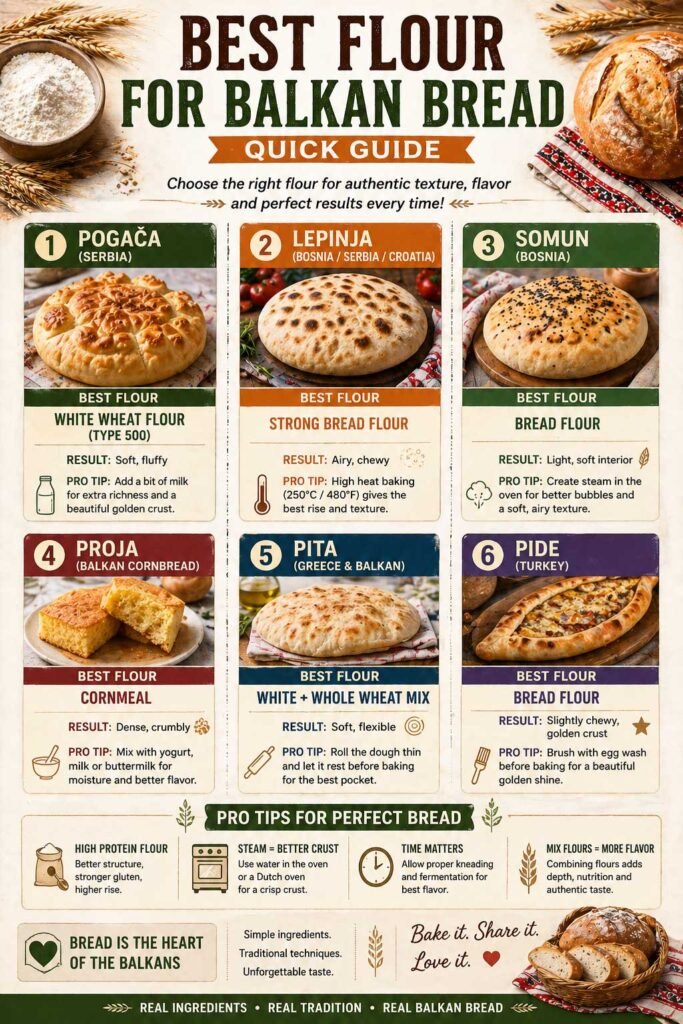
The type of flour defines the texture, flavor, and authenticity of Balkan bread.
Common Flour Types
- White wheat flour
Most common → soft, airy breads - Whole wheat flour
Heavier, more nutritious → rustic loaves - Cornmeal
Used in dishes like Proja → dense and crumbly - Rye flour
Less common but used in northern regions → deeper flavor
Pro Tip
👉 Traditional Balkan bread often uses:
- Simple flour blends
- Minimal processing
- Natural fermentation when possible
This creates bread that is:
- More flavorful
- Easier to digest
- Closer to authentic tradition
This Balkan Bread Guide explains how ingredient choices directly affect the final bread.
Best Flour for Each Bread Type
👉 Choosing the right flour is the difference between average bread and authentic Balkan results.
| Bread Type | Best Flour | Texture Result | Pro Tip |
|---|---|---|---|
| Pogača | White wheat flour (Type 500) | Soft, fluffy | Add a bit of milk for richness |
| Lepinja | Strong bread flour | Airy, chewy | High heat baking is key |
| Somun | Bread flour | Light, soft interior | Steam in oven for bubbles |
| Proja | Cornmeal | Dense, crumbly | Mix with yogurt for moisture |
| Pita | White + whole wheat mix | Soft, flexible | Roll thin for best pocket |
| Pide | Bread flour | Slightly chewy | Brush with egg before baking |
| Rustic Loaves | Whole wheat / rye | Dense, hearty | Long fermentation improves flavor |
Flour + Baking Tools
Best Flours for Balkan Bread
👉 Using the right flour instantly upgrades your bread from “good” to authentic.
| Product | Why It’s Great | Rating | Check Price |
|---|---|---|---|
| King Arthur Bread Flour | High protein → perfect rise | ⭐⭐⭐⭐⭐ | 👉 Check Price |
| Bob’s Red Mill Cornmeal | Ideal for proja | ⭐⭐⭐⭐⭐ | 👉 Check Price |
| King Arthur Whole Wheat Flour | Nutritious + rustic texture | ⭐⭐⭐⭐⭐ | 👉 Check Price |
Essential Ingredients Used in Balkan Baking
At its core, Balkan bread is built on a foundation of simple, natural ingredients. What makes it special isn’t complexity—it’s how these ingredients are used through traditional techniques to create flavor, texture, and structure.
Core Ingredient Breakdown
| Ingredient | Role in Baking |
|---|---|
| Flour | Provides structure and texture (white, whole wheat, corn) |
| Water | Hydrates dough and activates gluten |
| Salt | Enhances flavor and controls fermentation |
| Yeast / Starter | Leavens the bread and creates air pockets |
| Dairy (optional) | Adds richness (milk, yogurt, butter) |
| Oil or Fat | Improves softness and shelf life |
Why These Ingredients Matter
👉 Balkan bread relies on balance, not additives:
- Flour → structure
- Water → texture
- Yeast → rise
- Salt → flavor
👉 This simplicity is what gives Balkan bread its authentic taste and natural quality.
Traditional vs Modern Fermentation Methods
Fermentation is what gives Balkan bread its flavor, texture, and digestibility. While the core ingredients remain simple, the method of fermentation can dramatically change the final result. Traditionally, bread was made slowly using natural starters, while modern methods rely on speed and consistency.
Comparison Table
| Feature | Traditional Fermentation | Modern Fermentation |
|---|---|---|
| Leavening | Natural sourdough starter | Commercial yeast |
| Time | Slow (8–24+ hours) | Fast (1–3 hours) |
| Flavor | Deep, complex, slightly tangy | Mild, neutral |
| Digestibility | Easier to digest | Can be heavier for some |
| Nutrition | Better nutrient absorption | Standard nutrition |
| Consistency | Variable, artisan-style | Highly consistent |
Traditional Fermentation (Old-World Method)
Traditional Balkan bread was often made using wild yeast starters, passed down or developed naturally in the kitchen. This method requires patience but delivers unmatched flavor.
👉 Key characteristics:
- Long fermentation time
- Natural rise
- Slightly tangy flavor
- Improved digestion
👉 This is the method used in many rural homes and artisan bakeries.
Modern Fermentation (Fast Method)
Today, most bread is made using commercial yeast, which speeds up the process and provides consistent results.
👉 Key characteristics:
- Quick rise (hours instead of days)
- Predictable outcome
- Milder flavor
- More convenient for everyday baking
👉 This method is widely used in home kitchens and commercial bakeries.
Which One Is Better?
👉 It depends on your goal:
- Want authentic flavor + tradition → go traditional
- Want speed + convenience → go modern
👉 The best bakers often combine both approaches to balance flavor and efficiency.
• Traditional = slow, flavorful, easier to digest
• Modern = fast, consistent, convenient
• Best results often come from balancing both methods
How Balkan Bread Is Used in Everyday Meals
Balkan bread plays a practical and essential role at the table. It’s used to soak up sauces from stews, balance dairy-rich foods like yogurt and cheese, and support grilled meats without overpowering them.
Rather than being eaten on its own, it functions as part of the overall meal—enhancing texture, adding structure, and bringing different elements together.
👉 You’ll often see it served alongside dishes like tarator, grilled meats, and vegetable-based meals.
What to Serve with Balkan Bread
Balkan bread is designed to complete the meal, not replace it. Here’s how it’s traditionally served:
Classic Pairings
- Grilled meats → ćevapi, sausages, kebabs
- Soups & stews → perfect for dipping and soaking
- Dairy spreads → kajmak, cheese, yogurt
- Meze-style dishes → dips, salads, roasted vegetables
👉 Try it with Tarator for a refreshing combo.
👉 Bread pairs perfectly with refreshing dishes like Tarator Recipe (Cold Yogurt Soup).
Everyday Simplicity
- Bread + cheese + tomatoes
- Bread + yogurt or kefir
- Bread + olive oil + herbs
👉 This is the essence of Balkan eating: simple, balanced, satisfying.
👉 It’s also ideal with baked vegetable dishes like Zucchini and String Bean Recipe.
How to Store Balkan Bread (Shelf Life & Tips)
Short-Term Storage
- Room temperature → 1–2 days
- Wrap in cloth or paper (not plastic)
Freezing (Best Long-Term Option)
- Slice before freezing
- Store up to 2–3 months
- Reheat directly in oven or toaster
Avoid
- Refrigeration → dries bread faster
- Airtight plastic → traps moisture and softens crust
👉 Best practice: eat fresh whenever possible
Is Balkan Bread Healthy?
Balkan bread can be very healthy, depending on the type of flour and preparation method used. Traditional recipes tend to be less processed than modern commercial bread, which often gives them a nutritional advantage.
Unlike industrial bread, many Balkan breads are made with fewer additives, slower fermentation, and simple ingredients, making them easier to digest and more nutrient-dense.
Health Factors (Quick Table)
| Factor | Health Impact |
|---|---|
| Whole Grain Flour | Higher fiber and nutrients |
| Fermentation | Improves digestion |
| Processing Level | Less processed = healthier |
| Additives | Traditional breads contain fewer |
👉 Balkan bread is healthiest when it is:
- Made with whole or mixed grains
- Naturally fermented
- Minimally processed
👉 Like most foods, moderation matters—but traditional versions are generally healthier than commercial white bread.
Nutritional Breakdown of Common Balkan Breads
Different types of Balkan bread vary significantly in their nutritional profile depending on ingredients and preparation.
Nutrition Comparison Table
| Bread Type | Calories | Fiber | Best For |
|---|---|---|---|
| White Bread (Lepinja) | Moderate | Low | Pairing with meats |
| Whole Wheat Bread | Moderate | High | Healthy diet |
| Cornbread (Proja) | Moderate | Medium | Gluten-free alternative |
| Enriched Bread (Cozonac) | High | Low | Special occasions |
Key Takeaways
👉 Not all bread is the same:
- Whole grain → most nutritious
- Corn-based → alternative option
- White bread → lighter but less fiber
- Enriched bread → occasional treat
👉 Choosing the right bread depends on your diet goals and meal context.
Common Mistakes When Baking Balkan Bread
Even simple Balkan breads can go wrong if you miss the basics.
| Mistake | Why It’s a Problem | Fix |
|---|---|---|
| Too much flour | Makes bread dry | Keep dough slightly sticky |
| Not kneading enough | Weak structure | Knead until elastic |
| Skipping proofing | Flat bread | Let dough fully rise |
👉 Bread baking is simple—but precision matters.
Pro Tips for Perfect Balkan Bread Every Time
Making great Balkan bread isn’t about complicated recipes—it’s about technique, timing, and understanding the dough. These pro tips will help you consistently get better texture, flavor, and results.
| Tip | Why It Matters | Result |
|---|---|---|
| Use high-quality flour | Better gluten development | Improved texture and structure |
| Don’t rush fermentation | Develops flavor naturally | Richer, deeper taste |
| Knead properly | Builds gluten strength | Soft but structured crumb |
| Use warm (not hot) water | Activates yeast correctly | Consistent rise |
| Preheat oven fully | Ensures proper baking | Better crust formation |
| Add steam in oven | Keeps crust flexible early | Crispy, bakery-style crust |
| Let bread rest after baking | Allows structure to set | Cleaner slices, better texture |
Quick Pro Tips
* Use quality flour for better results
* Let dough rise slowly for flavor
* Knead until smooth and elastic
* Bake in a fully preheated oven
* Let bread rest before slicing
What Most Beginners Get Wrong
Many people struggle with Balkan bread because they focus only on ingredients—but the real difference comes from technique and patience.
👉 The biggest mistakes:
- Rushing the dough
- Using water that’s too hot
- Skipping proper kneading
- Cutting bread too early
👉 Fix these, and your bread improves instantly.
Frequently Asked Questions About Balkan Bread
What is the most popular Balkan bread?
One of the most iconic is Pogača, a soft, round bread commonly shared at family meals and celebrations. However, popularity varies by region, with breads like Lepinja and Somun also widely loved.
Is Balkan bread the same as pita?
Not exactly. While some breads like Pita are similar, Balkan breads tend to be thicker, softer, and more versatile, often used to soak sauces or accompany full meals rather than just as wraps.
What bread is used for ćevapi?
The most traditional choice is Lepinja or Somun, both soft and airy breads perfect for absorbing juices from grilled meat.
Is Balkan bread healthy?
Traditional Balkan bread is generally healthier than highly processed bread because it uses simple ingredients and slower fermentation. Whole-grain and rustic versions offer more fiber and nutrients.
What makes Balkan bread different from Western bread?
Balkan bread is typically:
- Less processed
- Made with fewer ingredients
- More focused on pairing with meals
👉 It’s designed to complement food, not dominate it.
Can I make Balkan bread at home?
Yes. Most recipes require only:
- Flour
- Water
- Yeast
- Salt
👉 With basic tools, you can recreate authentic Balkan bread in your own kitchen.
👉 Explore More Balkan Recipes to discover traditional dishes from across the region.
Final Thoughts: Why Balkan Bread Still Matters Today
Balkan bread is more than just a side dish—it’s a foundation of the entire cuisine and a reflection of the region’s culture, history, and way of life.
From soft, shareable loaves like Pogača to street-food favorites like Lepinja and Somun, each bread tells a story shaped by centuries of tradition and influence.
👉 What makes it truly special is not just how it’s made—but how it’s used:
- Shared at the table
- Paired with every meal
- Passed down through generations
In the Balkans, bread isn’t optional—it’s essential.
By following this Balkan Bread Guide, you can better understand and recreate authentic Balkan bread at home.
Whether you’re exploring recipes or learning the culture, this Balkan bread guide gives you a complete understanding of how bread shapes everyday meals.
