


Bulgarian Banitsa Recipe (Traditional Feta Cheese Pastry)
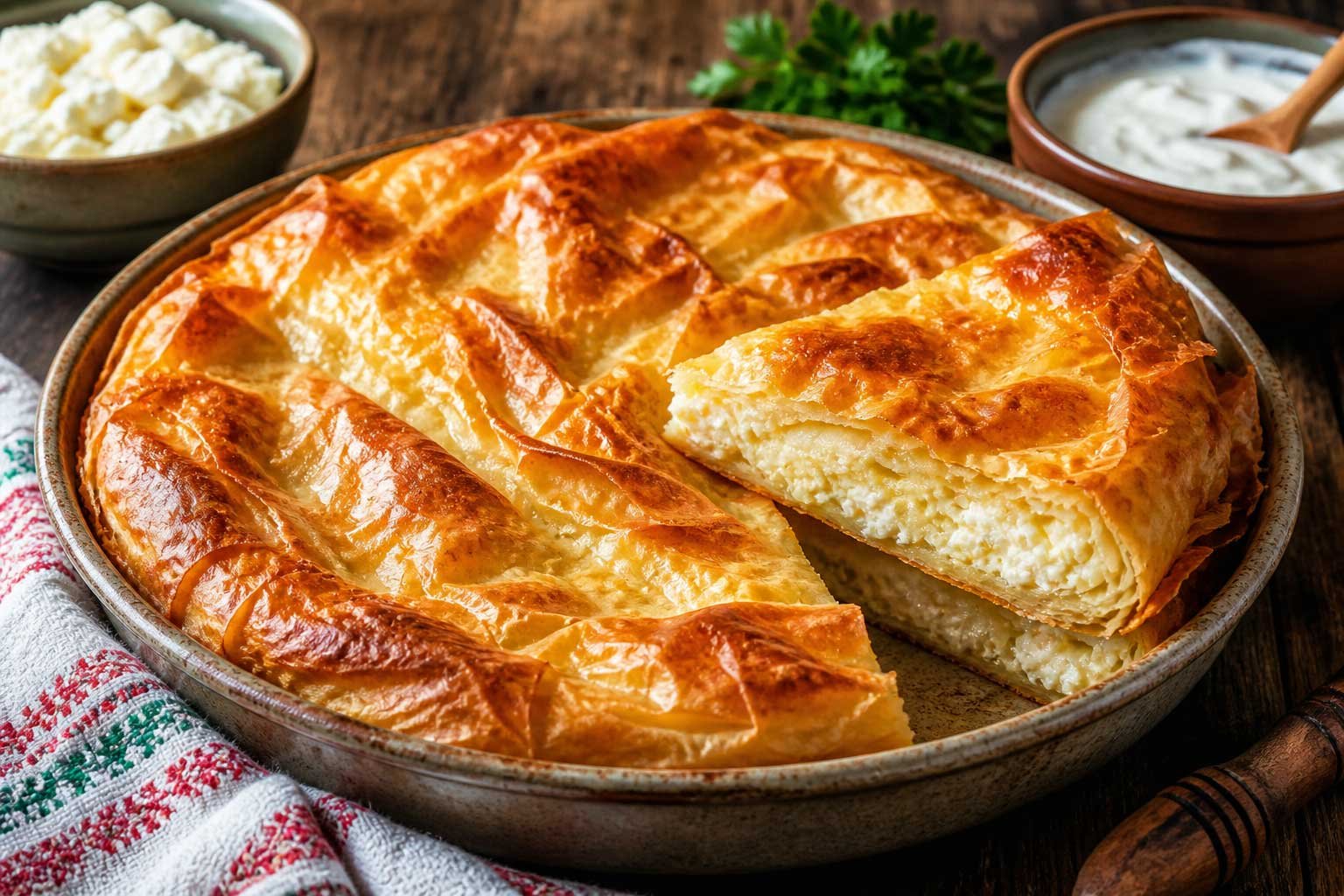
This Bulgarian banitsa recipe is a traditional feta cheese pastry made with crispy filo dough, eggs, yogurt, and white cheese, and is one of the most loved dishes in Bulgarian cuisine. This authentic Bulgarian pastry is more than just food—it’s a cultural symbol enjoyed during holidays, family gatherings, and everyday breakfasts across Bulgaria. This feta pie is a symbol of Bulgarian cuisine and traditions.
In Bulgaria, banitsa is often associated with traditions, especially during New Year celebrations when people place fortunes inside the pastry for luck. Whether served warm in the morning or enjoyed as a snack, banitsa remains a staple in Bulgarian cuisine.
If you’re looking for an authentic Balkan recipe that is easy to make at home, this Bulgarian banitsa recipe is the perfect place to start, with step-by-step instructions, tips, variations, and expert techniques to get it perfect every time. This Bulgarian banitsa recipe is easy to follow and perfect even if you’ve never worked with filo dough before.
Traditional Bulgarian banitsa served with yogurt, fresh salad, and classic Balkan side dishes.
What Is Bulgarian Banitsa?
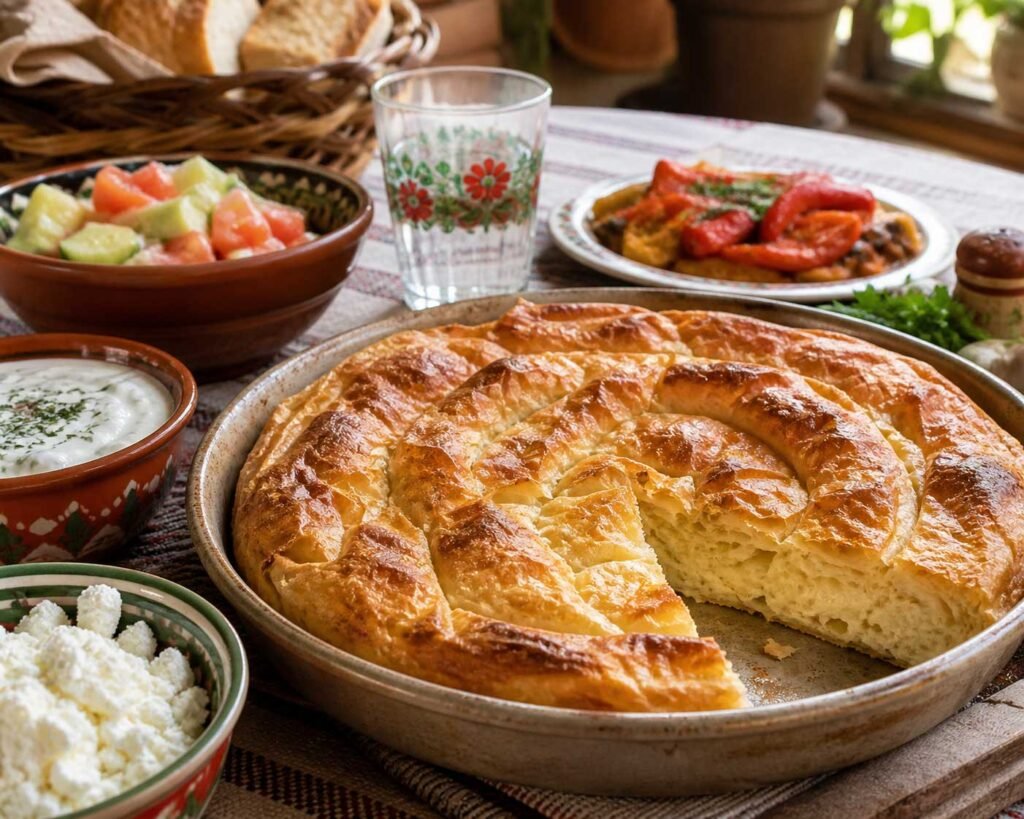
Banitsa is a traditional Bulgarian pastry made with thin sheets of filo dough filled with a mixture of eggs, yogurt, and сирене (sirene), a type of white brined cheese similar to feta.
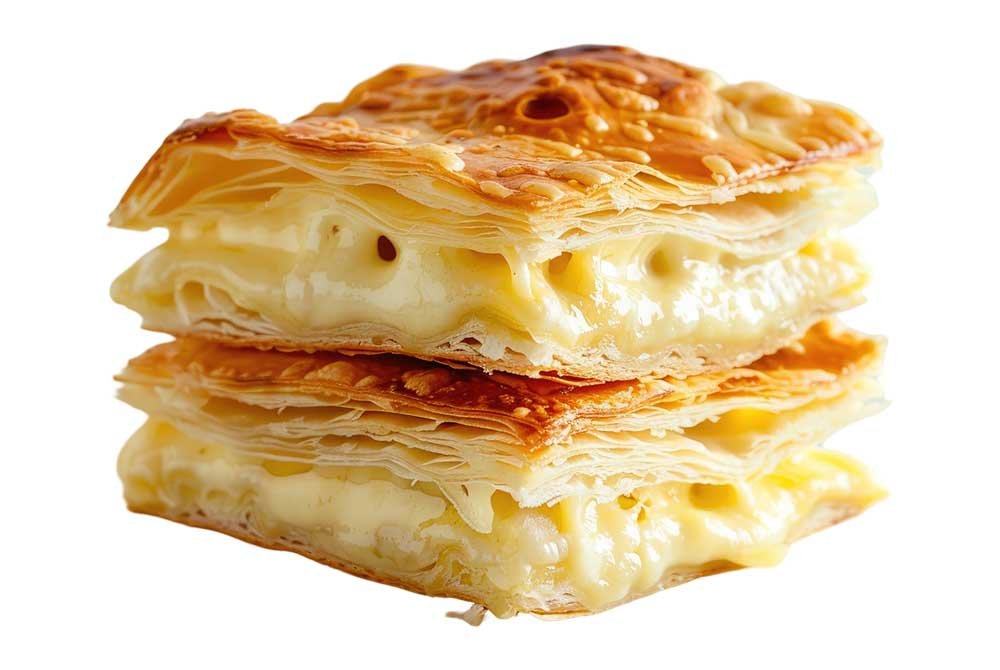
The pastry is typically baked until golden and crispy on top while remaining soft and fluffy inside. It can be served warm or at room temperature and pairs perfectly with yogurt, tea, or ayran (a yogurt-based drink).
It is commonly eaten for:
- Breakfast
- Brunch
- Holidays
- Family gatherings
Banitsa has been part of Bulgarian cuisine for centuries and continues to be one of the most recognizable dishes from the Balkan region.
Why You’ll Love This Bulgarian Banitsa Recipe
- Easy to make with simple ingredients
- Authentic Balkan flavor
- Perfect for beginners
- Versatile (savory or sweet)
- Great for meal prep
👉 Once you try it, it quickly becomes a go-to comfort food.
Why This Bulgarian Banitsa Recipe Works Every Time
What makes this Bulgarian banitsa recipe truly reliable is the balance between traditional technique and modern convenience.
Unlike many recipes that skip key steps, this version focuses on:
- Proper layering of filo dough
- Balanced egg-to-yogurt ratio
- Even distribution of cheese filling
- Correct baking temperature and timing
👉 These small details are what separate an average banitsa from an authentic, bakery-quality result.
The yogurt plays a critical role—it creates steam during baking, which helps the pastry puff slightly while staying soft inside. At the same time, the butter or oil ensures a crisp, golden crust.
This combination creates the signature contrast:
- Crispy top layers
- Soft, slightly creamy interior
- Rich, savory flavor
History of Bulgarian Banitsa Recipe
Banitsa has a long and fascinating history that reflects the cultural and culinary evolution of Bulgaria and the wider Balkan region. While it is difficult to pinpoint the exact moment when banitsa was first created, historians believe that its origins date back to medieval times, influenced by the rich traditions of pastry-making in the Balkans and the Ottoman Empire.
The use of thin-layered dough, similar to filo pastry, became widespread during the Ottoman period (14th–19th century). Many dishes across the region, such as börek and other filled pastries, are similar to banitsa. However, what makes Bulgarian banitsa unique is the addition of yogurt in the filling, which gives it a softer texture and a distinct flavor that sets it apart from its regional counterparts.
Over time, banitsa evolved into a staple of Bulgarian home cooking. It became especially popular because it was simple to prepare, used affordable ingredients, and could feed an entire family. Rural households often made banitsa using homemade dough and locally produced dairy products, including fresh yogurt and sirene cheese.
By the 19th and early 20th centuries, banitsa had already become deeply embedded in Bulgarian culture. It was commonly prepared for holidays, family gatherings, and religious celebrations. One of the most well-known traditions is the preparation of banitsa on New Year’s Eve, where small fortune notes or coins are baked inside. Each family member receives a piece, symbolizing wishes for health, prosperity, and happiness in the coming year.
Today, banitsa remains one of the most iconic dishes in Bulgaria. It is enjoyed daily, sold in bakeries across the country, and passed down through generations as a symbol of tradition, comfort, and national identity.
Banitsa Across the Balkans (Regional Comparison)
While banitsa is deeply Bulgarian, similar dishes exist across the Balkans and neighboring regions. Understanding these differences helps highlight what makes banitsa unique.
Key Differences:
Bulgarian Banitsa
- Uses yogurt in filling
- Typically vegetarian (cheese-based)
- Softer interior texture
Turkish Börek
- Often includes meat
- Uses milk instead of yogurt
- More structured layers
Greek Tiropita
- Cheese-focused like banitsa
- Usually folded rather than layered
- Less airy texture
👉 The defining feature of banitsa is the yogurt-based filling, which gives it a distinct softness and slight tang.
Did You Know About Bulgarian Cheese?
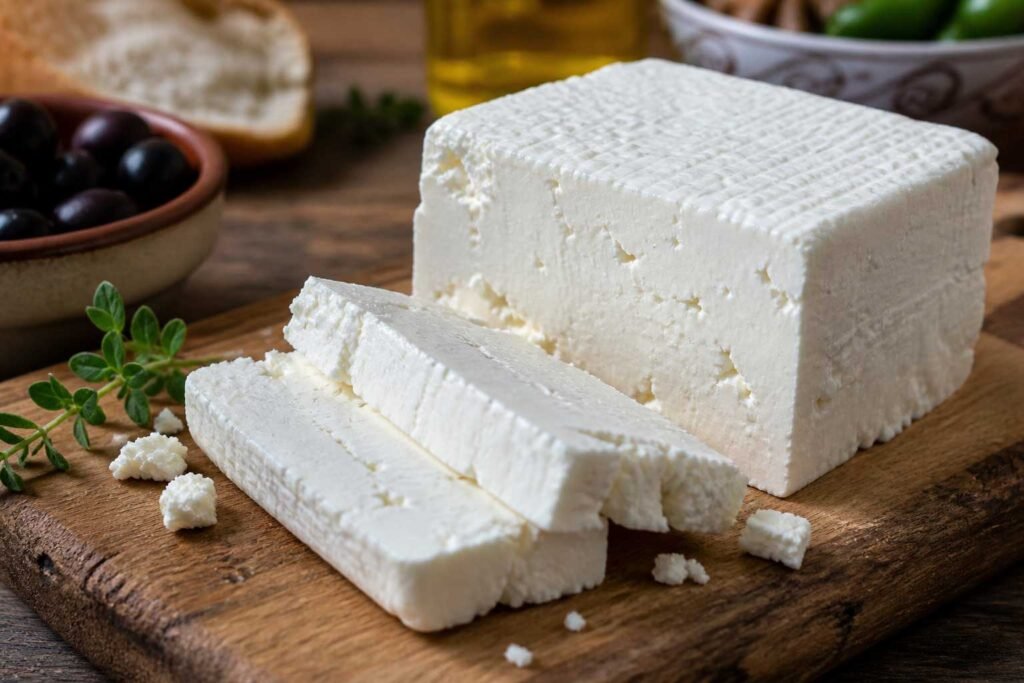
The traditional cheese used in banitsa is called sirene, a white brined cheese similar to feta but with a richer and slightly tangier flavor.
Sirene is a key ingredient in many Bulgarian dishes and is often made from cow, sheep, or goat milk. Its creamy texture and salty taste perfectly complement the crispy layers of phyllo dough in banitsa.
👉 Want to learn more about this unique cheese? Check out our full guide on Bulgarian sirene cheese.
If you’re looking for an authentic Bulgarian banitsa recipe, this easy step-by-step guide will help you make it perfectly every time.
Affiliate Disclosure: Some links below are affiliate links. We may earn a commission at no extra cost to you.
Best Tools for Making Perfect Banitsa (Top Picks)
These are trusted, high-rated kitchen tools used by home cooks and professionals for consistent results.
| Product | Why It’s Great | Check Price |
|---|---|---|
| USA Pan Bakeware Round Cake Pan (Nonstick) | Commercial-quality, perfect even baking for layered pastries | Check Price |
| OXO Good Grips Silicone Pastry Brush | Even butter/oil distribution without tearing filo | Check Price |
| Pyrex Glass Mixing Bowl Set (3-Pack) | Durable, perfect for mixing banitsa filling | Check Price |
| Mercer Culinary Millennia Chef’s Knife (8-Inch) | Sharp, clean cuts without crushing layers | Check Price |
Best Ingredients for Authentic Banitsa Flavor
Authentic banitsa flavor starts with the right ingredients—this is what gives it that rich, traditional Balkan taste. Using high-quality ingredients makes a huge difference in taste and texture. Here’s exactly what to choose—whether you want a budget setup or a premium Balkan kitchen.
| Ingredient | Why It’s Better | Check Price |
|---|---|---|
| Vermont Creamery Cultured Butter | Richer flavor than standard butter | Check Price |
| 365 by Whole Foods Greek Yogurt (Plain) | Creamy texture ideal for banitsa filling | Check Price |
| Athens Foods Phyllo Dough Sheets | One of the most reliable filo brands | Check Price |
| Bulgarian Sheep Milk Feta (Sirene Style) | Closest to authentic Bulgarian flavor | Check Price |
How to Make Bulgarian Banitsa Recipe (Step-by-Step)
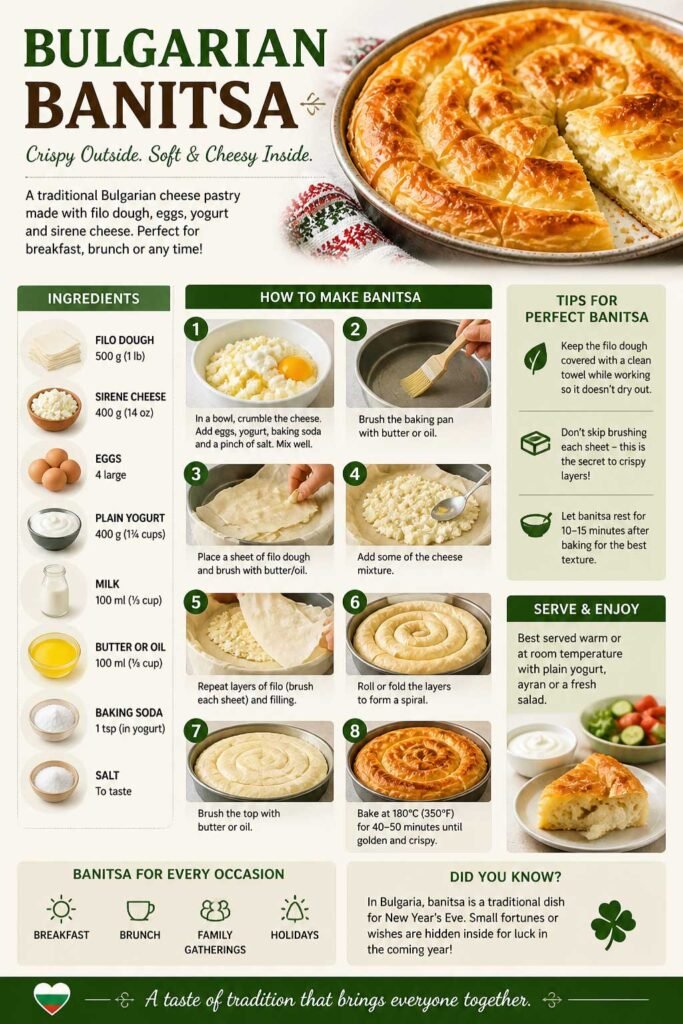
If you’re looking for a traditional Bulgarian banitsa recipe, this version stays true to authentic flavors and techniques.

Banitsa
Equipment
- 1 (10-inch) springform pan
Ingredients
- 12 sheets phyllo dough
- 8 tbsp butter
- 1 lb Bulgarian feta cheese (sirene) feta, crumbled feta cheese
- 14 oz Bulgarian yogurt preferably sheep's milk yogurt
- 4 whole eggs
- 1 egg yolk
- 1 tbsp salt
- 1 pepper for carb conscious eaters you can disregard rice
- 1 tbsp baking soda (mixed into yogurt)
Instructions
- First start with the mixture by whisking the eggs, yogurt, vegetable oil, and baking soda together in a large bowl. Add drained feta to the bowl and mix it with a fork and set aside.
- Preheat oven to 350º F and grease pie pans or springform pan with 1 tablespoon olive or vegetable oil and lightly dust with flour.
- Brush melted butter over the sheet and place it at the bottom of the pan.
- Take the filo dough out of the package and spread over lightly floury surface. unroll. Spread around a little of the yogurt-egg mixture onto the filo sheet.
- Carefully roll the sheet of filo dough, from bottom to top, upwards with your fingers and place it in the middle of your dish pan.
- Repeat this step with the remaining filo sheets and pour the leftover melted butter over banitsa.
- Place in the oven and bake for about 25 minutes or until gets golden brown.
Notes
Ingredient Tips & Substitutions
- Cheese: Bulgarian sirene is best, but feta works great
- Yogurt: Adds softness and richness
- Butter vs oil: Butter gives richer flavor, oil keeps it lighter
- Filo dough: Keep it covered to prevent drying
Health Perspective: Is Bulgarian Banitsa Healthy?
While banitsa is a rich and indulgent dish, it can still be part of a balanced diet when enjoyed in moderation.
It provides:
- Protein from eggs and cheese
- Calcium from dairy
- Energy from carbohydrates
For a lighter version, you can:
- Use less butter
- Choose lower-fat cheese
- Add spinach or vegetables
Nutritional Breakdown of Banitsa
Banitsa is a nutrient-dense dish, meaning it provides a high amount of energy and essential nutrients in relatively small portions.
Key Nutritional Components:
- Protein → from eggs and cheese (supports muscle health)
- Calcium → essential for bones and teeth
- Fats → provide energy and enhance flavor
- Carbohydrates → from filo dough for quick energy
👉 Because of its richness, banitsa is often eaten as a complete meal rather than a side dish.
Estimated Nutrition (Per Serving)
- Calories: 300–450 kcal
- Protein: 10–15g
- Fat: 20–30g
- Carbs: 25–35g
💡 Tip: Pairing banitsa with fresh salad balances the meal and improves digestion.
Banitsa in Bulgarian Culture
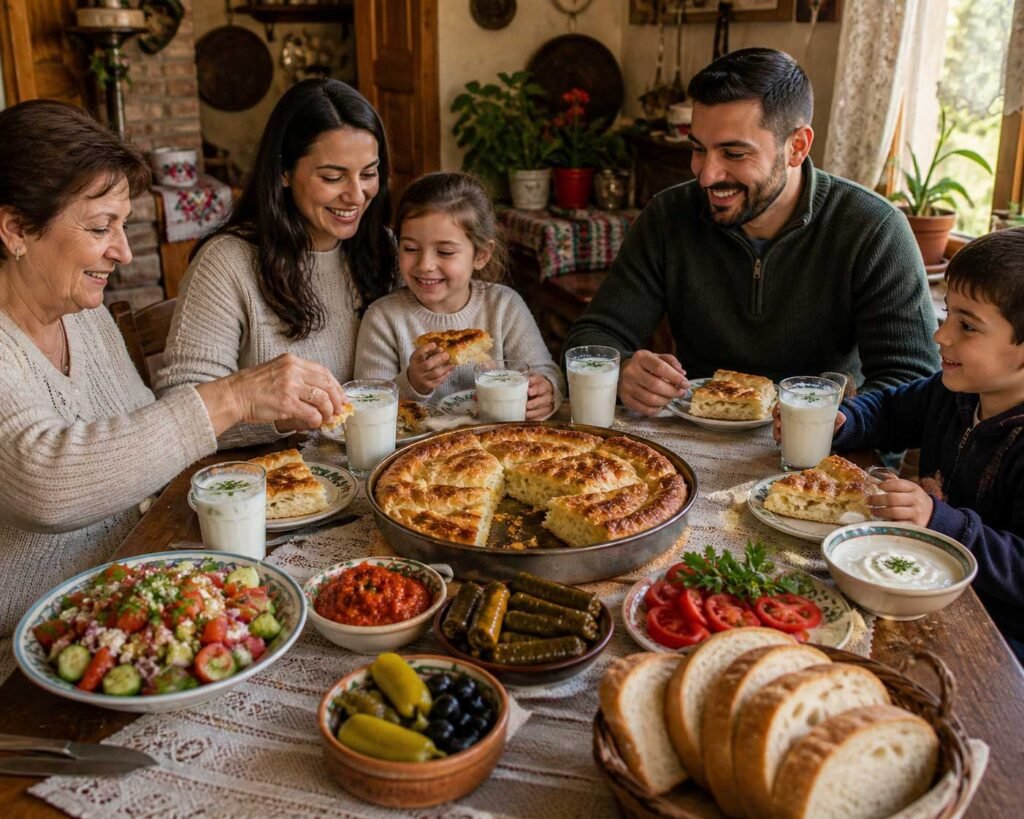
This authentic Bulgarian banitsa recipe uses simple ingredients you can find in most grocery stores. Banitsa holds a special place in Bulgarian culture and is closely tied to traditions and celebrations.
New Year’s Tradition
During New Year’s Eve, families prepare banitsa with small fortunes inside. Each piece contains a message predicting luck, health, or success for the coming year.
This tradition turns a simple meal into a joyful and symbolic experience.
Everyday Life in Bulgaria
Banitsa is commonly:
- Purchased fresh from bakeries in the morning
- Eaten on the go or at home
- Shared among family members
It is one of the most accessible and beloved foods in the country.
Tips for the Best Bulgarian Banitsa
To make your Bulgarian banitsa truly authentic and delicious, follow these tips:
- Use high-quality feta or Bulgarian sirene for the best flavor
- Don’t skip the yogurt—it makes the filling soft and fluffy
- Brush each filo layer generously with butter or oil
- Let the banitsa rest for 10 minutes after baking
- Use fresh eggs for richer flavor
- Don’t over-soak the phyllo layers
- Bake until golden and crispy
- Let it rest before cutting
Step-by-Step Texture Control (Pro-Level Technique)
If you want to elevate your banitsa from good to exceptional, mastering texture is key.
For Extra Crispy Top:
- Bake uncovered at the end
- Lightly brush top with butter before baking
For Softer Interior:
- Add a bit more yogurt to the filling
- Cover loosely with foil for first half of baking
For Perfect Layer Separation:
- Don’t over-wet the filo sheets
- Use a light hand when spreading filling
👉 These techniques are used in traditional Bulgarian bakeries and make a noticeable difference.
Common Mistakes to Avoid When Making Banitsa
| Mistake | What Happens | How to Fix It |
|---|---|---|
| ❌ Using Dry Filo Dough | Cracks and uneven baking | Keep filo covered with a damp towel |
| ❌ Too Much Liquid Filling | Soggy, heavy texture | Use balanced egg-to-yogurt ratio |
| ❌ Not Resting Before Cutting | Falls apart when sliced | Let rest at least 10 minutes |
| ❌ Overbaking | Dry interior, hard texture | Remove when golden, not dark brown |
| ❌ Uneven Layering | Inconsistent texture | Distribute filling evenly across layers |
Perfect vs Bad Banitsa: What to Look For
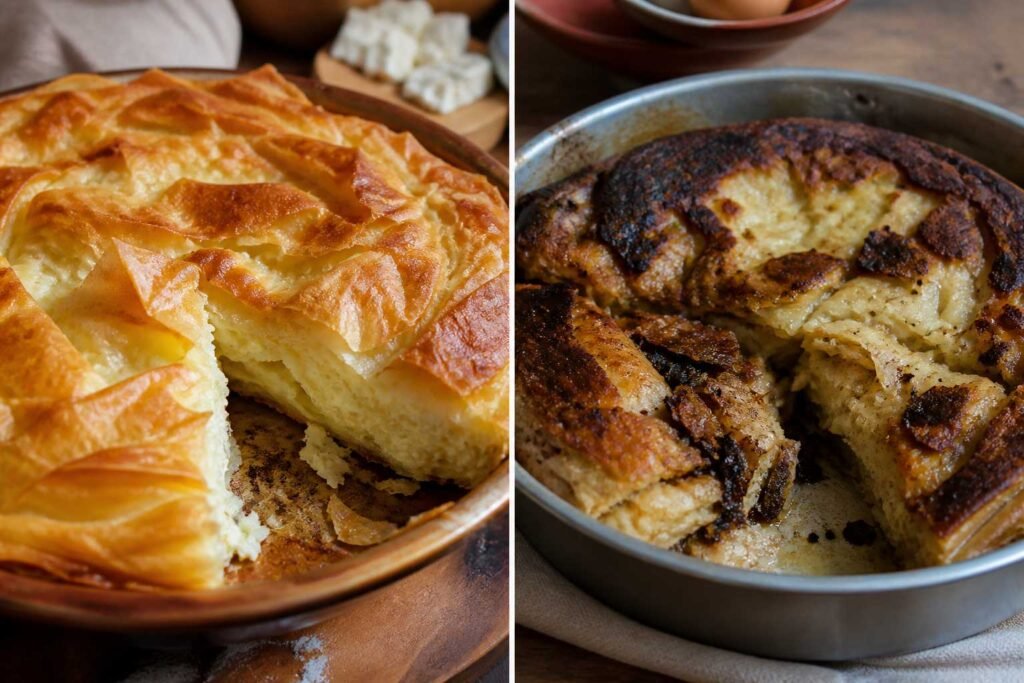
A great Bulgarian banitsa should be golden, crisp on top, soft inside, and evenly filled. Use this quick comparison to spot the difference between a properly baked banitsa and one that needs improvement.
| Feature | ✅ Perfect Banitsa | ❌ Bad Banitsa |
|---|---|---|
| Top Crust | Golden, crispy, and lightly flaky | Pale, soggy, burnt, or too dry |
| Interior Texture | Soft, airy, moist, and tender | Dense, wet, rubbery, or collapsed |
| Filo Layers | Clearly layered with crisp edges | Stuck together, torn, or uneven |
| Cheese Filling | Evenly distributed with salty, tangy flavor | Clumped in spots or too bland |
| Moisture Level | Moist inside but not soggy | Watery bottom or dry center |
| Flavor | Rich, buttery, savory, and balanced | Flat, greasy, overly salty, or dry |
| Serving Result | Slices cleanly after resting | Falls apart or turns mushy when cut |
Best Banitsa Tools: Budget vs Best Value vs Premium
Whether you are making banitsa for the first time or upgrading your Balkan kitchen, these tools help create crisp layers, even baking, and cleaner slicing.
If you love cooking Balkan food, upgrading your kitchen with the right tools will completely change your results.
| Category | Budget Pick | Best Value | Premium Pick |
|---|---|---|---|
| Baking Pan | Amazon Basics Nonstick Round Cake Pan Check Price | USA Pan Round Cake Pan Check Price | Lodge Cast Iron Skillet Check Price |
| Pastry Brush | Amazon Basics Silicone Brush Check Price | OXO Good Grips Silicone Pastry Brush Check Price | Le Creuset Silicone Basting Brush Check Price |
| Mixing Bowls | Amazon Basics Mixing Bowl Set Check Price | Pyrex Glass Mixing Bowl Set Check Price | Duralex Glass Mixing Bowls Check Price |
| Kitchen Scale | Etekcity Digital Kitchen Scale Check Price | OXO Good Grips Food Scale Check Price | Escali Primo Digital Scale Check Price |
Skip the guesswork—this table breaks down the best options so you can pick the right tool instantly.
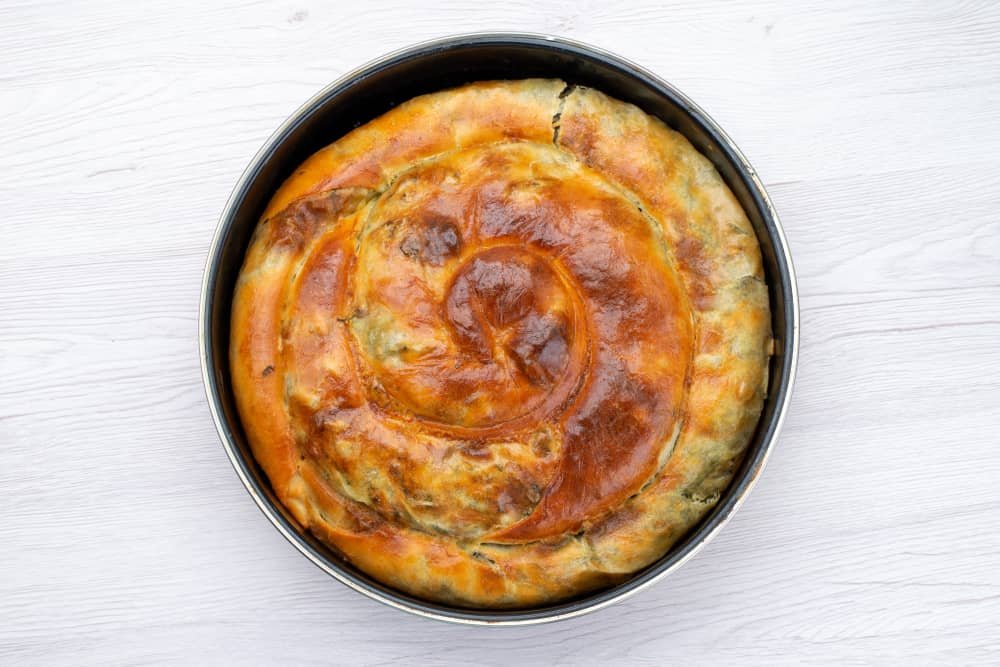
Popular Banitsa Variations
Banitsa can be made in many delicious ways:
- Spinach Banitsa (Spanachena Banitsa)
- Pumpkin Banitsa (Tikvenik – sweet version)
- Meat Banitsa
- Leek Banitsa
Each variation brings a unique flavor while keeping the traditional layered structure. However, the classic cheese banitsa remains the most popular and widely loved version.
What to Serve with Banitsa
Banitsa pairs perfectly with:
- Try it with a refreshing Bulgarian yogurt drink or ayran
- Fresh salad (like Shopska salad)
- Pair this dish with traditional Balkan herbal teas
- Bulgarian-style coffee
Inspiration and adaptation: recipesbg.com, cooktoria.com, happyfoodstube.com
Explore other recipes from the traditional Bulgarian cuisine.
When to Eat Banitsa (Best Occasions)
Banitsa is incredibly versatile and can be enjoyed at different times of the day.
Morning (Most Traditional)
- With yogurt or ayran
- Paired with tea or coffee
Lunch
- With a fresh salad
- As a light but filling meal
Dinner
- Served alongside vegetables or soup
Holidays & Celebrations
- New Year’s Eve (with fortunes)
- Family gatherings
- Religious holidays
👉 In Bulgaria, it’s one of the few dishes that fits every occasion.
Health & Nutritional Notes
Banitsa is rich in:
- Protein (eggs + cheese)
- Calcium
- Energy
For a lighter version:
- Use low-fat cheese
- Reduce oil/butter
Storage, Reheating & Meal Prep Tips
Banitsa stores surprisingly well if handled properly.
Storage:
- Refrigerate in airtight container
- Keeps fresh for up to 3 days
Reheating:
- Oven: 350°F (best method for crispiness)
- Avoid microwave → makes it soggy
Freezing:
- Freeze before baking for best results
- Can also freeze baked portions
Meal Prep Tip:
You can assemble banitsa the night before and bake it fresh in the morning.
👉 This makes it perfect for busy households or weekend brunch prep.
Upgrade Your Kitchen for Balkan Cooking
If you love making traditional recipes, these top-rated tools are worth the investment.
| Product | Why It Stands Out | Check Price |
|---|---|---|
| Lodge Cast Iron Skillet (10.25″) | Excellent heat retention for even baking | Check Price |
| Cuisinart Food Processor (14-Cup) | Powerful, saves time for prep | Check Price |
| Etekcity Digital Kitchen Scale | Accurate measurements for consistent results | Check Price |
| Pyrex Basics Glass Baking Dish (9×13) | Perfect for layered dishes like banitsa | Check Price |
FAQ for Traditional Bulgarian Banitsa Recipe
What is traditional banitsa made of?
Banitsa is made with phyllo dough, eggs, yogurt, and Bulgarian sirene cheese.
What do you eat with banitsa?
It is commonly served with yogurt or ayran.
Can I freeze banitsa?
Yes, you can freeze it before or after baking.
Can I use store-bought filo dough?
Absolutely, it’s the most common method.
What cheese is closest to Bulgarian sirene?
Feta cheese is the best substitute.
How long does banitsa last?
Up to 3 days in the fridge.
What is the difference between banitsa and börek?
Banitsa is a Bulgarian dish made with yogurt and eggs, while börek is found across the Balkans and Turkey and often includes meat or different fillings.
Can I use feta instead of Bulgarian cheese?
Yes, feta cheese is the best substitute for traditional Bulgarian sirene.
Can I make banitsa ahead of time?
Yes, you can prepare it in advance and reheat it in the oven.
How do I store banitsa?
Store leftovers in the refrigerator for up to 3 days. Reheat in the oven for best texture.
Is banitsa healthy?
Banitsa is rich and filling, but it can be enjoyed in moderation as part of a balanced diet.
Why is yogurt used in banitsa?
It creates a soft, airy texture and enhances flavor.
Can I make a sweet version of banitsa?
Yes, pumpkin and sugar variations are popular.
Final Thoughts
Banitsa is more than just a recipe—it’s a tradition passed down through generations. Whether you’re making it for the first time or recreating a taste of home, this dish captures the heart of Bulgarian cuisine.
Once you master this recipe, you can explore endless variations and make banitsa your own.
Did you make this Banitsa (Bulgarian Feta Pie) recipe?
Please let me know how it turned out for you! Leave a comment below and don’t forget to follow us. Sharing is caring!

